Can Dogs Eat Olives? Safety Guide for Pet Owners
Olives are a staple of Mediterranean cuisine, and it is only natural to wonder whether your dog can share a bite. The short answer is yes — plain olives are generally safe for dogs in small amounts.
However, “safe” comes with important conditions. The type of olive, how it was prepared, and how much your dog eats all play a significant role in whether this snack is a treat or a risk.
Understanding Olive Toxicity and Safety for Dogs
Olives themselves are not toxic to dogs. The fruit contains no compounds that are inherently poisonous to canines, which puts them in a safer category than many human foods.
That said, the real danger often lies in what comes with the olive rather than the olive itself. Seasonings, marinades, and stuffed fillings are where things can go wrong quickly.
Sodium Content and Health Implications for Your Dog
One of the biggest concerns with olives is their sodium content. Commercially prepared olives are typically cured or brined, which means they are packed with salt.
Excess sodium can cause increased thirst, urination, and in serious cases, sodium ion poisoning. According to sodium intake guidelines for dogs, older dogs should have sodium make up only 0.15–0.4% of their daily diet, making high-salt snacks especially risky for senior pets.
If you do offer your dog an olive, rinsing it thoroughly under water first can help reduce the sodium load significantly.
The Critical Importance of Pit Removal and Choking Hazards
Always remove the pit before giving your dog an olive. Olive pits are hard enough to crack teeth and small enough to become a serious choking hazard.
Beyond choking, swallowed pits can cause intestinal blockages, which may require emergency veterinary intervention. This step is non-negotiable regardless of your dog’s size or breed.
Plain Olives Versus Prepared Varieties: What Makes the Difference
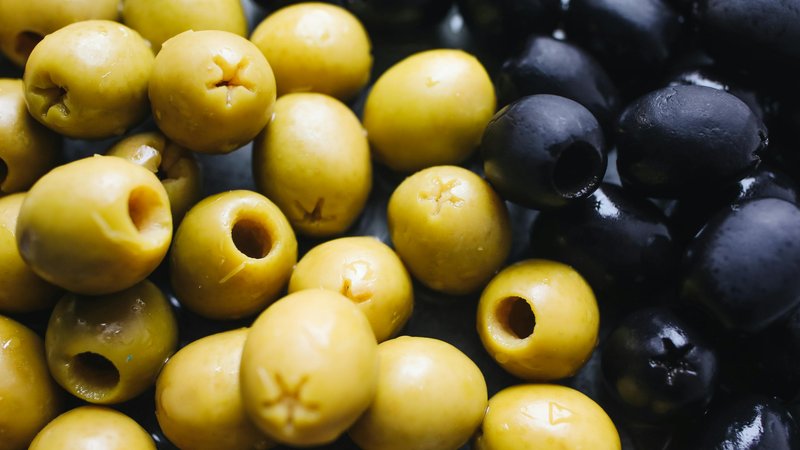
Not all olives are created equal. Green olives are harvested early, while black olives are fully ripened fruits — both are safe for dogs in plain form, but prepared varieties are a different story.
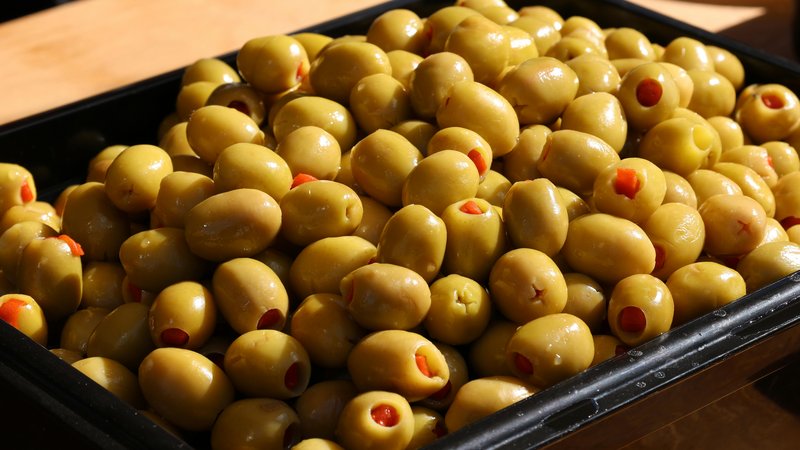
Olives stuffed with garlic, onions, or blue cheese are off-limits. Garlic and onions are toxic to dogs even in small quantities, and rich cheeses can trigger digestive upset or pancreatitis.
Marinated olives soaked in herb blends or spiced oils carry the same risks. Always check the label and opt for plain, pitted olives with no added ingredients.
Digestive Effects and Safe Serving Guidelines
Even plain olives are high in fat. While the fat in olives is the healthy monounsaturated kind, too much of it can still upset a dog’s stomach and contribute to weight gain over time.
Some dogs may experience digestive gas or loose stools after eating olives, especially if they are not used to fatty foods. If your dog shows signs of sudden diarrhea after trying olives, discontinue feeding them immediately.
One or two plain, pitted olives as an occasional treat is a reasonable limit for most dogs. Treat them as a rare snack, not a dietary staple.
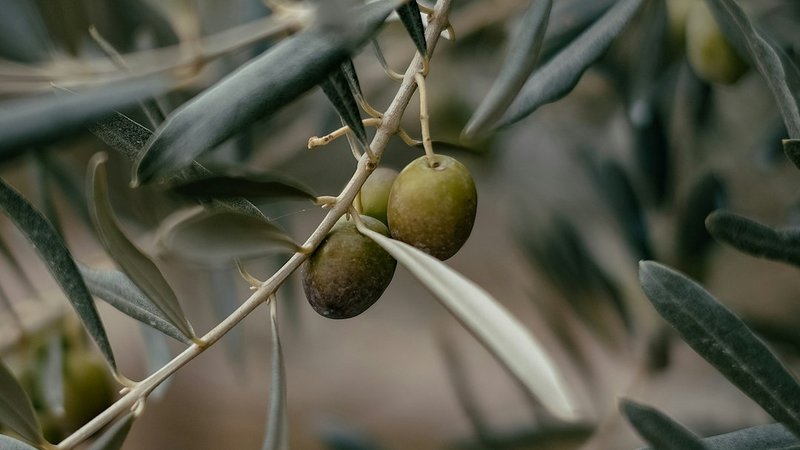
Olive Oil as an Alternative: Benefits and Proper Usage
If you want your dog to enjoy the benefits of olives without the sodium or choking risks, olive oil is a popular alternative. It delivers healthy fats and antioxidants in a more controllable form.
According to guidance on olive oil for dogs, you should always choose pure, extra virgin olive oil and avoid flavored or infused varieties, since ingredients like garlic and onions are toxic to dogs. Skip “light,” “pure,” or pomace olive oils as well — these are more heavily processed and have lost most of their beneficial compounds.
Just like whole olives, proper dosage matters. A small drizzle over food a few times per week is typically sufficient. If you are already exploring other dog-safe foods, chia seeds for dogs offer another nutrient-rich option worth considering.
Always introduce any new food gradually and consult your veterinarian if you have concerns about your dog’s specific health needs or dietary restrictions.