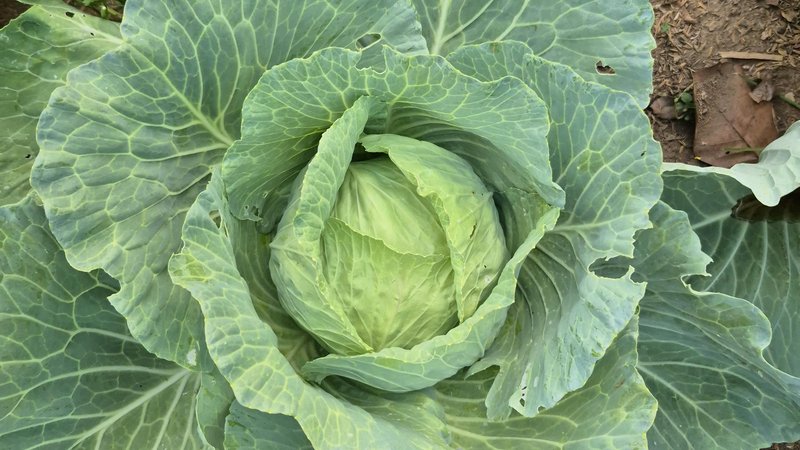
Can Dogs Eat Cabbage? Safety & Health Benefits
Cabbage is a crunchy, nutrient-dense vegetable that often ends up on our plates — and curious dogs are rarely far behind. If you have ever wondered whether it is safe to share a leaf or two, the short answer is yes, dogs can eat cabbage in moderation.
That said, moderation is the key phrase here. Like many human foods, cabbage comes with both benefits and considerations that every dog owner should understand before making it a regular part of their pet’s diet.
Is Cabbage Safe for Dogs to Eat
Cabbage is not toxic to dogs. Both green and red varieties are generally considered safe when prepared correctly and offered in appropriate amounts.
However, safe does not mean unlimited. Feeding too much cabbage at once can lead to digestive upset, which is why portion control matters significantly. Always introduce any new food gradually to observe how your individual dog responds.
Nutritional Benefits and Antioxidants in Cabbage
Cabbage is packed with vitamins C and K, fiber, and a range of antioxidants that can support your dog’s immune system and overall cellular health. These compounds help neutralize free radicals, which are linked to aging and disease.
Researchers have noted that the mineral content and secondary metabolites of cabbage vary considerably depending on the variety, growing conditions, and cultivation environment. This means nutritional value is not identical across every head of cabbage you pick up at the grocery store.
Red cabbage, in particular, tends to be higher in antioxidants than its green counterpart. If your dog tolerates it well, rotating between varieties can provide a broader spectrum of nutrients. Much like exploring chia seeds for dogs, adding cabbage is about thoughtful dietary variety rather than replacement.
Preparation Methods: Raw vs Cooked Cabbage
Dogs can eat cabbage both raw and cooked. Raw cabbage retains more of its natural vitamins and enzymes, but it can be harder on some dogs’ digestive systems, especially those with sensitive stomachs.
Lightly steaming or boiling cabbage makes it easier to digest and softens the tough fibrous structure. Always serve it plain — no butter, salt, garlic, or onion, as these additions are harmful to dogs.
Avoid feeding your dog any store-bought coleslaw or prepared cabbage dishes. These products almost always contain seasonings and ingredients that are unsafe for canine consumption.
Appropriate Serving Sizes by Dog Weight
Serving size should always be proportional to your dog’s body weight. A small dog weighing under 20 pounds should only receive a small bite or two, while a larger dog can handle a bit more.
As a general reference, daily feeding guidelines suggest that dogs over 100 pounds typically need 4½ cups of food per day plus additional amounts for extra weight. Cabbage should only ever make up a small fraction of that total daily intake — treats and extras should not exceed 10% of a dog’s overall diet.
Potential Health Considerations and Thyroid Function
One important consideration with cabbage is its potential effect on thyroid function. Cabbage belongs to the Brassica family, which contains compounds called goitrogens that can interfere with iodine absorption when consumed in large quantities.
A systematic review on edible brassica plants examined the influence of these vegetables on thyroid function across multiple species, including dogs. The findings highlight that while small amounts are unlikely to cause harm, dogs with existing thyroid conditions should not eat cabbage without veterinary guidance.
Cooking cabbage actually reduces its goitrogenic properties, making lightly steamed cabbage a safer choice for dogs who eat it regularly. If your dog has a thyroid disorder, always consult your veterinarian first.
Digestive Health and Portion Control Guidelines
Cabbage is high in fiber, which can be beneficial for digestive health in small amounts. It supports healthy gut motility and can help dogs with mild constipation.
Too much fiber, however, causes the opposite problem — bloating, gas, and loose stools. Dogs are known to experience significant flatulence after eating cabbage, so starting with just a small piece and monitoring the response is always the wisest approach.
Think of cabbage as an occasional nutritional bonus rather than a dietary staple. Rotating it alongside other dog-safe vegetables keeps meals interesting without overloading your dog’s digestive system. Whether you have a compact apartment companion or one of the best large dog breeds for cold climates, the same moderation principles apply across every size and breed.