
Solo But Supported: The Top 5 Dog Breeds for Single Living (and the One Warning You Can't Ignore)
Tima Miroshnichenko/Pexels
|

Solo But Supported: The Top 5 Dog Breeds for Single Living (and the One Warning You Can’t Ignore)

Living alone offers freedom and flexibility, but it also means a dog becomes more than a pet; they become a daily companionship, structure, and emotional support. The ideal breed for single living balances independence with affection, adapts to varying schedules, and thrives without constant social stimulation. However, no dog is maintenance-free, and mismatched expectations can lead to stress for both owner and animal. Choosing wisely requires understanding energy levels, temperament, and lifestyle compatibility. These five breeds often excel in solo households, along with one critical warning every single dog owner must seriously consider.

1. French Bulldog

French Bulldog
Jens Mahnke/Pexels

The French Bulldog has become a favorite among singles for good reason. Compact, adaptable, and relatively low-energy, this breed thrives in apartments and smaller living spaces. French Bulldogs are affectionate without being overly demanding, often content to relax nearby while their owner works or unwinds. They require moderate exercise and consistent companionship but typically tolerate alone time better than high-energy breeds. Their calm demeanor makes them suitable for city living. However, prospective owners must be mindful of their respiratory sensitivities and temperature intolerance.

2. Cavalier King Charles Spaniel

Cavalier King Charles Spaniel
Courtney Mihaka/Unsplash

The Cavalier King Charles Spaniel offers affectionate companionship without overwhelming intensity. Known for their gentle temperament, Cavaliers bond closely with one person, making them ideal for single households seeking emotional connection. They adapt well to quieter lifestyles but still enjoy daily walks and interactive play. Their moderate energy level suits flexible routines, though they prefer not to be left alone for extended hours. With proper socialization, they remain friendly and balanced. Singles who work from home often find this breed especially rewarding and emotionally responsive.

3. Greyhound

Greyhound
elisabettabellomi/Pixabay

The Greyhound may surprise many as an ideal solo companion. Despite their racing reputation, Greyhounds are famously calm indoors and content with short bursts of exercise followed by long naps. Their low-maintenance grooming needs and relaxed nature make them suitable for apartments and quieter households. They tend to form deep, quiet bonds with their owners and do not demand constant activity. However, secure outdoor spaces are essential due to their strong prey drive. For singles seeking a peaceful yet loyal companion, the Greyhound often exceeds expectations while fitting smoothly into independent routines.

4. Miniature Schnauzer

Miniature Schnauzer
Sebastian Coman Travel/Pexels

The Miniature Schnauzer combines intelligence with manageable size, making it a strong candidate for single living. Alert and adaptable, this breed thrives on routine and structured interaction. Miniature Schnauzers enjoy learning tasks and responding to consistent training, which can strengthen the bond between owner and dog over time. Their protective instincts provide a sense of security without excessive aggression or anxiety. While energetic, they adjust well to apartment settings with regular walks. For singles seeking a responsive and engaging companion, this breed offers balance and loyalty.

5. Shih Tzu

Shih Tzu
Steshka Croes/Pexels

The Shih Tzu is well-suited to individuals who prefer a calmer pace of life. Originally bred as companion animals, Shih Tzus thrive in close quarters and prioritize human connection over constant stimulation. They enjoy short walks and indoor play but rarely demand intense physical activity. Their affectionate disposition makes them attentive companions during quiet evenings at home or relaxed weekends indoors. Grooming requires commitment, yet their adaptable temperament compensates for maintenance needs. Singles seeking steady companionship without high endurance demands often find this breed a deeply comforting and reassuring presence.

6. The One Warning You Can’t Ignore: Loneliness Cuts Both Ways
The One Warning You Can’t Ignore: Loneliness Cuts Both Ways
belen capello/Pexels

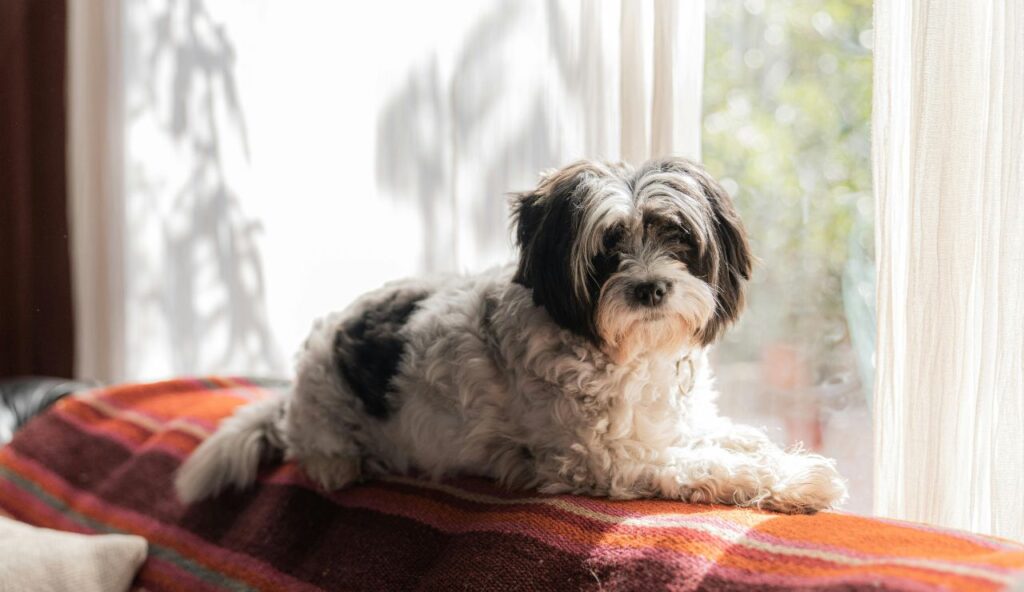
Even the most adaptable breed can struggle if left alone too often. Single living does not guarantee constant availability. Dogs need mental stimulation, predictable schedules, and meaningful interaction to stay emotionally balanced. Separation anxiety, destructive behavior, or withdrawal can develop when companionship becomes inconsistent. Choosing the right breed helps, but daily engagement matters more. Before adopting, evaluate work hours, travel frequency, and lifestyle habits honestly. The key to successful single living with a dog isn’t just breed choice, but reliable presence and thoughtful care.


Similar Posts

  • Grandma and Her Dog Chewy Break the Internet with Matching Sleepwear

    A charming video of an elderly grandmother and her canine companion has recently taken social media by storm. The duo has captured hearts across the globe by showcasing their close bond through a series of coordinated outfits. At the center of this viral sensation is a Golden Retriever named Chewy, who seems perfectly content to…

  • Why Your Cat Goes Absolutely Crazy at Night and How to Actually Stop It

    If you share your home with a cat, you have almost certainly experienced the chaos that seems to arrive right around the time you are trying to wind down for the night. Out of nowhere, your peaceful pet transforms into a tiny tornado, sprinting through hallways, knocking things off shelves, and generally acting like they…

  • Squirrel Boldly Steals Peanuts from Dog Right Under His Nose and His Reaction Surprises Everyone

    A dog named Django Smiles found himself in an unexpected sharing situation during what his owner described as brunch with his best friend. In a charming video shared on the Instagram account at djangosmiles, the pup sits calmly while a tiny squirrel helps itself to his peanuts. Many dogs would guard their snacks fiercely, yet…

  • How Living Indoors Affects Your Cat’s Mental and Physical Health

    Many cat owners who keep their pets exclusively indoors tend to think of them as self-sufficient, low-maintenance companions who are perfectly content with apartment life. Veterinarians, however, are raising the alarm that indoor cats often lack sufficient mental stimulation, and that this deficit can quietly trigger a cascade of behavioral and physical health problems that…

  • 2 Golden Retrievers Couldn’t Hide Their Joy When They Met the Easter Bunny

    There is something undeniably wholesome about watching a dog encounter a mall Easter Bunny for the first time, and two golden retrievers named Poppi and Pearl proved exactly that when their owners decided to bring them along for the holiday tradition. The pair became an overnight internet sensation after a TikTok video captured their reaction,…

  • 5 ways Vacation Routines Stress your Pet: Psychology Science most owners Miss

    Vacations are exciting for humans, but for pets, they can feel confusing, stressful, and even scary. Many animals rely on routine to feel safe, so small travel changes can trigger anxiety in ways owners do not expect. The science is simple: pets read patterns, smells, and body language, not calendars. These five overlooked vacation habits can raise stress fast, even in calm pets, and knowing them helps you prevent problems before they start. A few small adjustments can make travel days easier for everyone.
    1. Packing Early Signals “Something Is Wrong” to Your Pet
    When you start pulling out suitcases, your pet often notices before you do. Many animals link luggage with separation, which can trigger anticipatory anxiety. Dogs and cats are experts at pattern recognition, so even quiet packing can create stress because it predicts a major change. Some pets respond by pacing, whining, hiding, or becoming clingy. Others may stop eating or start acting unusually alert. Psychology research on animal behavior shows that uncertainty is often more stressful than the event itself. Packing in smaller steps, keeping normal routines, and adding calm activities can reduce the buildup of anxiety.
    2. Your Mood and Body Language Change More Than You Realize
    Vacation prep usually comes with stress, rushing, and distraction. Pets notice that shift immediately because they rely heavily on your tone, facial expression, and energy. Even if you are excited, the fast movement, shorter patience, and unusual household noise can signal danger to an animal’s brain. This is especially true for anxious dogs and sensitive cats. Behavioral science shows that animals can mirror human stress through increased vigilance and restlessness. A pet may start shadowing you, refusing naps, or becoming reactive. Slowing down, using a calm voice, and keeping playtime normal can make a big difference.
    3. Skipped Walks, Late Meals, and Broken Timing Disrupt Safety Signals
    Many owners think pets will adjust easily to vacation timing changes, but routine is a major source of security for most animals. Meals, walks, and bedtime create predictable anchors that tell a pet their world is stable. When those anchors shift, stress rises, especially in dogs who depend on consistent potty breaks and activity. Cats can also become unsettled when feeding schedules change, which may lead to hiding, vocalizing, or litter box issues. Studies on animal stress show that predictable patterns lower cortisol over time. Even on travel days, keeping timing as close as possible helps pets stay calmer.
    4. New Smells and Spaces Can Trigger Overload, Not Curiosity
    People often assume pets will be excited by a new place, but unfamiliar environments can overwhelm them. Animals process the world through scent and sound, so hotels, rentals, or relatives’ homes can feel like sensory overload. New cleaning products, unfamiliar pets, strange floors, and different noises can raise stress quickly. Dogs may become hyper-alert, bark more, or refuse to settle. Cats may hide for hours or stop eating. Animal behavior research shows that novelty is not always enriching, especially when the pet has no control. Bringing familiar bedding, toys, and maintaining a quiet corner helps reduce that overload.
    5. Handing Them Off to a Sitter Without a Transition Creates Separation Shock
    Even if you trust your sitter, your pet may not. A sudden handoff can feel like abandonment to an animal that does not understand travel plans. Dogs may respond with barking, destructive behavior, or loss of appetite. Cats may become withdrawn, refuse interaction, or show stress through litter changes. Psychology studies on attachment show that animals form strong bonds and feel distress when those bonds are disrupted without a predictable transition. A short meet-and-greet, a trial visit, or a practice overnight can reduce stress dramatically. Familiar scents, written routines, and consistent feeding also help the sitter maintain stability.