Benefits of Chia Seeds for Dogs
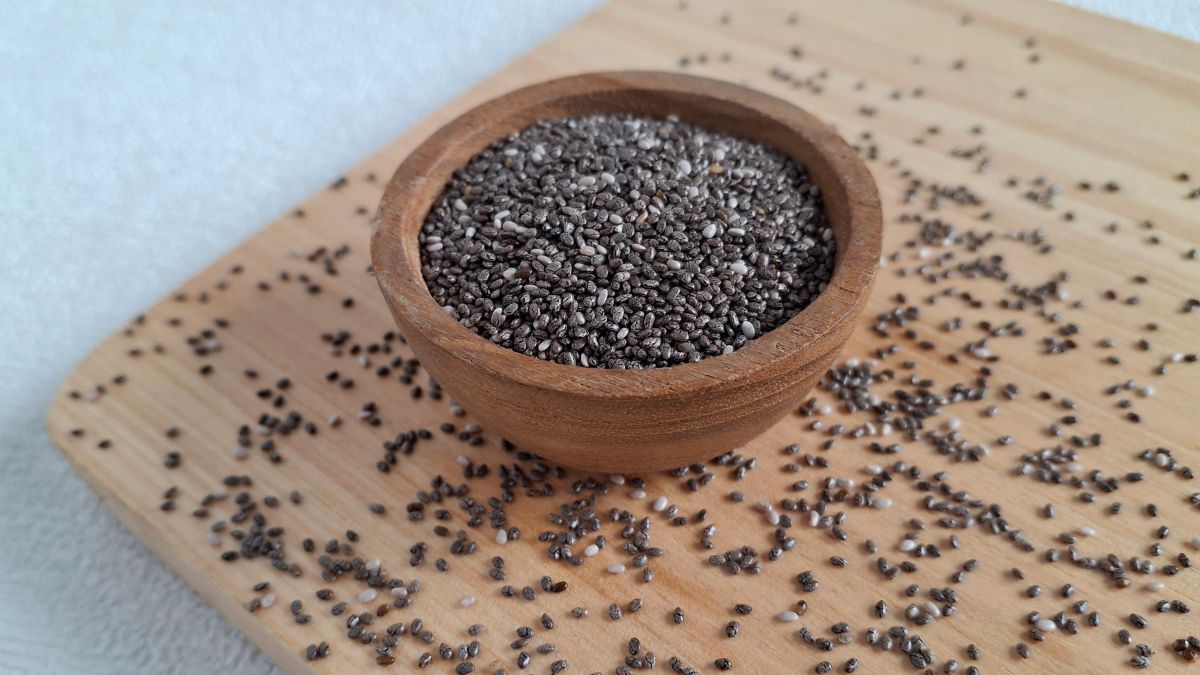
Pet owners are always looking for simple ways to improve their dog’s health, and chia seeds have quietly become one of the most talked-about additions to canine diets. These tiny seeds pack a remarkable amount of nutritional value into a very small package, making them an appealing option for health-conscious dog owners.
The benefits of chia seeds for dogs go well beyond what most people initially expect. From supporting a shiny coat to promoting better digestion, these seeds offer a wide range of advantages that can complement your dog’s regular meals in meaningful ways.
How Chia Seeds Support Overall Dog Nutrition
When it comes to dog nutrition, variety and density of nutrients matter enormously. Chia seeds contain a concentrated blend of protein, healthy fats, fiber, and essential minerals that many commercial dog foods fail to deliver in adequate amounts.
These seeds are rich in calcium, phosphorus, and magnesium, all of which play important roles in maintaining strong bones and healthy muscle function in dogs. Unlike some supplements that require careful dosing and medical supervision, chia seeds can generally be introduced gradually into a dog’s diet without major risk.
One of the most appealing qualities of chia seeds from a nutritional standpoint is how easily they are absorbed. When mixed with water or wet food, they form a gel-like coating that slows digestion and allows the body to extract nutrients more efficiently.
Adding a small amount of chia seeds to your dog’s meals a few times per week can make a noticeable difference over time. Many pet owners report improvements in their dog’s energy levels, coat quality, and overall vitality after introducing this superfood consistently.
Omega-3 Fatty Acids and Your Dog’s Coat Health
One of the most celebrated nutritional components found in chia seeds is their impressive content of omega-3 fatty acids. These healthy fats are essential for dogs, yet they are often underrepresented in standard kibble formulas and everyday feeding routines.
Omega-3 fatty acids play a critical role in reducing inflammation throughout the body, which can benefit dogs dealing with joint pain, skin irritation, or chronic allergic reactions. Regular intake of these fats through natural sources like chia seeds can serve as a gentle, food-based approach to managing mild inflammatory conditions.
Beyond internal health, the omega-3 content in chia seeds has a visible impact on a dog’s coat and skin. Dogs that receive adequate amounts of healthy fats tend to develop shinier, softer fur and experience less dryness and flaking on the skin beneath.
It is worth noting that while chia seeds contain a plant-based form of omega-3 known as ALA, dogs convert this form at a modest rate. Pairing chia seeds with other omega-3 sources such as fish oil can create a more complete approach to fatty acid supplementation.
Digestive Benefits and Fiber for Dogs
Fiber is a cornerstone of good digestive health in dogs, and chia seeds happen to be an excellent natural source. The soluble and insoluble fiber found in these seeds works together to regulate bowel movements and support a balanced gut environment.
For dogs that struggle with constipation or irregular digestion, introducing fiber through chia seeds can provide gentle relief without the need for pharmaceutical intervention. The gel-forming property of soaked chia seeds also helps to coat the digestive tract, which may soothe mild irritation and reduce digestive discomfort.
Fiber-rich foods like chia seeds also promote a sense of fullness, which can be particularly helpful for dogs that tend to overeat or are on a weight management plan. By slowing the emptying of the stomach, chia seeds help dogs feel satisfied for longer periods without adding excess calories to their diet.
It is important to introduce chia seeds slowly and in small quantities to avoid causing loose stools or bloating. Starting with a small pinch and increasing gradually over several weeks gives the digestive system time to adjust comfortably.
Chia Seeds as a Superfood for Pets
The growing interest in superfoods for pets reflects a broader cultural shift toward more intentional and ingredient-focused feeding practices. Chia seeds fit naturally into this movement as a whole food option that delivers multiple benefits without artificial additives or complex processing.
Beyond the well-known benefits, chia seeds also contain antioxidants that help neutralize free radicals in a dog’s body. Free radical damage is associated with accelerated aging and increased risk of chronic disease, so incorporating antioxidant-rich foods into a dog’s diet can have long-term protective effects.
Chia seeds are also a naturally gluten-free option, which makes them suitable for dogs with grain sensitivities or specific dietary restrictions. This versatility means they can be used as a supplement across a wide range of breeds, sizes, and health conditions with minimal concern.
As with any dietary change, it is always wise to consult with a veterinarian before adding chia seeds regularly to your dog’s meals. Every dog has unique nutritional needs, and a professional can help you determine the right amount based on your dog’s weight, age, and overall health profile.
Safe Ways to Serve Chia Seeds to Your Dog
Serving chia seeds correctly is just as important as understanding their nutritional value. The safest and most beneficial way to offer them to your dog is in their hydrated form, which means soaking the seeds in water for several minutes before mixing them into food.
Dry chia seeds can absorb moisture from the digestive tract if consumed in large amounts, which may cause discomfort or blockages in rare cases. Hydrating the seeds beforehand eliminates this concern entirely and makes the nutrients more bioavailable for your dog’s body to use.
You can mix soaked chia seeds directly into wet food, stir them into homemade dog treats, or blend them with plain broth for a simple topper. The mild flavor of chia seeds means most dogs accept them without hesitation and do not require any additional flavoring to encourage consumption.
Keeping portions small and consistent is the key to making chia seeds a sustainable and beneficial addition to your dog’s diet. A quarter teaspoon for smaller dogs and up to a full teaspoon for larger breeds is a commonly recommended starting range that supports good health without overwhelming the digestive system.