Can Dogs Eat Pickles? Safety Guide for Pet Owners
Your dog is staring at your pickle spear with those irresistible eyes, and you’re wondering if sharing a bite is really such a big deal. The short answer is: it depends, but caution is strongly advised.
Pickles are not outright poisonous to dogs in the way that grapes or xylitol are. However, several ingredients commonly found in pickles can cause real harm, especially with repeated exposure or larger amounts.
Understanding Pickle Ingredients and Their Risks
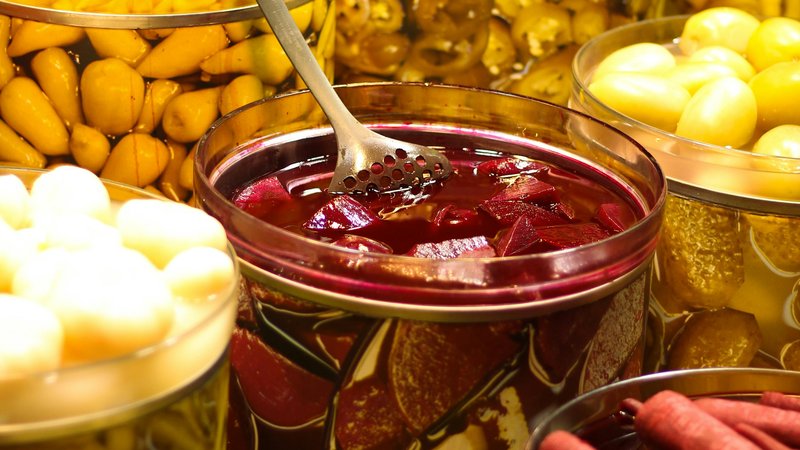
A plain cucumber pickle brined in water, vinegar, and salt is the least dangerous variety for dogs. The problem is that most commercially prepared pickles contain far more than just those three ingredients.
Dill pickles often include garlic, onion powder, mustard seed, and various spices. Bread-and-butter pickles add sugar and turmeric to the mix. Sweet pickles can contain high amounts of sugar or even artificial sweeteners, which carry their own serious risks.
Even a “simple” pickle has a sodium content that far exceeds what a dog should consume in a single sitting. That alone is enough reason to keep the pickle jar out of paw’s reach.
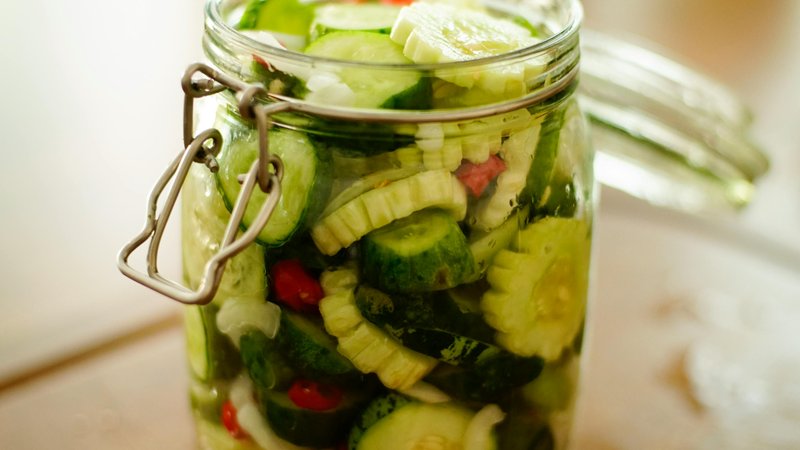
Sodium Content and Toxicity Thresholds in Dogs
Salt is the defining ingredient in any pickle, and it is the first major hazard for dogs. According to sodium levels in fermented foods, a minimum salinity is required for the fermentation process to work at all, meaning low-sodium pickles are essentially not possible.
A single large dill pickle can contain anywhere from 700 to over 1,500 milligrams of sodium. That is an enormous amount relative to a dog’s body weight, particularly for small breeds.
The Merck Veterinary Manual on salt toxicosis notes that clinical signs of salt toxicosis in dogs can begin at ingestion of 2–3 g/kg of body weight, with the acute oral lethal dose reaching approximately 4 g/kg. Symptoms include vomiting, diarrhea, excessive thirst, tremors, and in severe cases, seizures.
A small dog weighing around 10 pounds has a very narrow margin before sodium intake becomes dangerous. Even one whole pickle could push that threshold uncomfortably close.
Toxic Components Beyond Salt: Onions, Garlic, and Spices
Sodium is not the only concern hiding inside a pickle jar. Many recipes include garlic and onion, both of which belong to the Allium family and are genuinely toxic to dogs.
According to Allium toxicosis research in animals, these compounds cause oxidative damage to red blood cells, leading to hemolytic anemia. Garlic is considered significantly more potent than onion on a per-gram basis.
Even garlic powder in small quantities can accumulate to harmful levels with repeated exposure. If you regularly share pickled foods with your dog thinking it is harmless, the cumulative effect on red blood cells is a real concern.
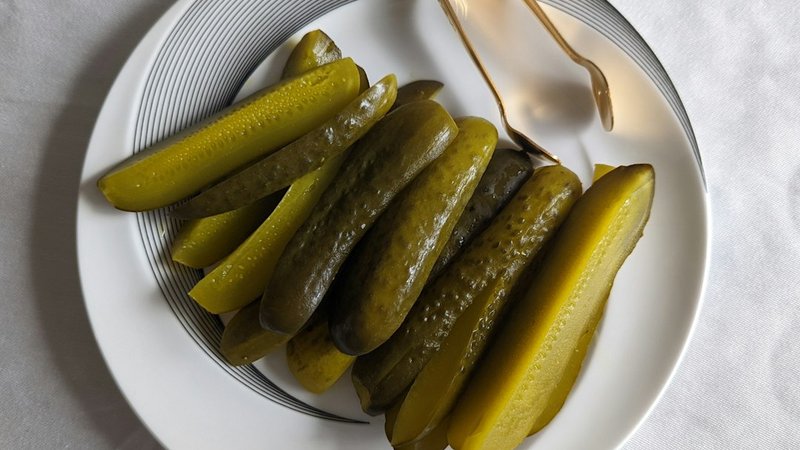
Safe Alternatives and Healthier Treat Options
If your dog loves the crunch of a cucumber, the good news is that plain, raw cucumbers are a genuinely dog-friendly snack. They are low in calories, hydrating, and free of the harmful additives found in pickles.
Other safe crunchy vegetables include carrot sticks, celery, and zucchini. These make excellent low-calorie treats that satisfy a dog’s urge to chew without any of the sodium or toxicity risks.
If you are exploring nutrient-rich additions to your dog’s diet, the benefits of chia seeds for dogs offer a far safer and more nutritious option than processed, brined foods. Similarly, if you are curious about other human foods, understanding whether sesame seeds are safe for dogs is another helpful step in building a well-informed approach to canine nutrition.
What to Do If Your Dog Consumes Pickles
If your dog snatched a single small pickle slice off the floor, do not panic. One small piece is unlikely to cause serious harm in a medium or large dog. Monitor for any signs of gastrointestinal upset and make sure fresh water is available.
If your dog consumed a large quantity of pickles, ate pickles containing garlic or onion, or is showing symptoms like vomiting, lethargy, excessive drooling, or disorientation, contact your veterinarian immediately.
Always bring the pickle jar or packaging with you to the vet so they can review the exact ingredient list. The specific spices and additives matter greatly when assessing the level of risk.
When in doubt, the safest rule is simple: keep pickles for yourself and reach for a dog-appropriate treat instead. Your dog will be just as happy with a cucumber slice, and you will both be better off for it.