20 Best Dog Breeds for Apartments: Complete Guide for Urban Living
Living in an apartment doesn’t mean you have to give up the joy of having a dog. Millions of urban pet owners successfully share smaller spaces with their four-legged companions every single day. The key is choosing a breed that genuinely thrives in a compact environment — not just one that tolerates it. From energy levels and noise tendencies to grooming demands and temperament, the right match makes all the difference between a happy household and a stressful one.
Whether you’re on the fifth floor of a high-rise or in a ground-level studio, this guide covers everything you need to know. You’ll find a complete breakdown of the AKC-recognized breeds that consistently rank as top performers in apartment settings, along with practical advice on training, socialization, and managing costs. If you’re also navigating the single-person lifestyle, our guide on top dog breeds for single living is worth a read before you decide.
1. French Bulldog

The French Bulldog is arguably the gold standard for apartment living. Compact, quiet, and affectionate, Frenchies adapt effortlessly to small spaces and rarely need intense exercise sessions. Their low-energy demeanor makes them ideal for busy urban owners who can offer short daily walks rather than long runs.
- Key Specs: Weight 16–28 lbs; height 11–13 inches; lifespan 10–12 years
- Pros: Minimal barking, low exercise needs, extremely affectionate, adapts well to routines
- Cons: Prone to breathing issues (brachycephalic), can be expensive to vet, sensitive to heat
2. Pug

Pugs are cheerful, people-oriented dogs that thrive on companionship rather than space. Their low activity requirements make them a natural fit for apartment dwellers. They love lounging beside their owners and are generally quiet enough to keep neighbors happy.
- Key Specs: Weight 14–18 lbs; height 10–13 inches; lifespan 13–15 years
- Pros: Gentle temperament, low exercise needs, great with children and seniors
- Cons: Heavy shedder, brachycephalic health concerns, can snore loudly
3. Boston Terrier

Often called the “American Gentleman,” the Boston Terrier blends moderate energy with a calm indoor demeanor. They are intelligent and easy to train, which is a major advantage when teaching apartment-specific rules like quiet commands and leash manners in hallways.
- Key Specs: Weight 12–25 lbs; height 15–17 inches; lifespan 11–13 years
- Pros: Trainable, minimal grooming, friendly with strangers and other pets
- Cons: Can be gassy, sensitive to temperature extremes, occasional stubbornness
4. Cavalier King Charles Spaniel
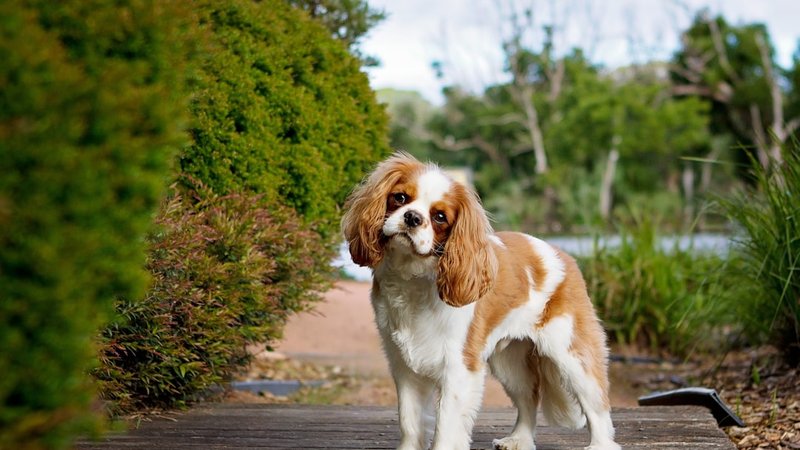
The Cavalier King Charles Spaniel is a gentle, adaptable breed that mirrors its owner’s lifestyle beautifully. Whether you’re active or sedentary, a Cavalier adjusts accordingly. Their quiet nature and affectionate personality make them one of the most beloved apartment companions available.
- Key Specs: Weight 12–18 lbs; height 12–13 inches; lifespan 12–15 years
- Pros: Calm indoors, highly affectionate, low-to-moderate exercise needs
- Cons: Prone to heart conditions, requires regular grooming, can suffer separation anxiety
5. Shih Tzu

Bred specifically as a companion dog for royalty, the Shih Tzu was practically designed for indoor living. They are low-energy and low-shedding, making them a popular choice for apartment residents who want minimal mess and maximum cuddles.
- Key Specs: Weight 9–16 lbs; height 9–10.5 inches; lifespan 10–18 years
- Pros: Low shedding, affectionate, quiet, good with other pets
- Cons: High grooming maintenance, can be stubborn during training, prone to dental issues
6. Bichon Frise

The Bichon Frise is a fluffy, cheerful breed with a hypoallergenic coat that makes it a top pick for allergy-prone apartment dwellers. Their playful but gentle energy is well-suited to indoor environments, and they tend to get along well with neighbors and other animals in shared building spaces.
- Key Specs: Weight 12–18 lbs; height 9.5–11.5 inches; lifespan 14–15 years
- Pros: Hypoallergenic coat, friendly, adaptable, minimal shedding
- Cons: Requires frequent professional grooming, prone to separation anxiety
7. Pomeranian
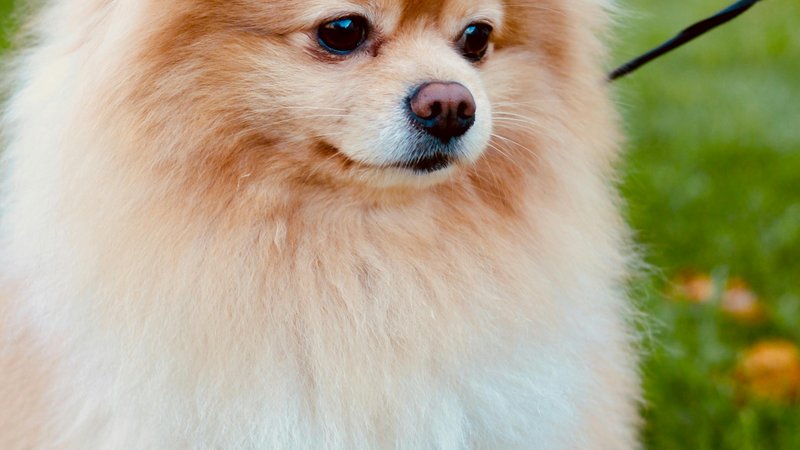
Pomeranians pack enormous personality into a tiny frame. They are alert and curious but can thrive in apartments when properly trained to manage their vocal tendencies. Early socialization is essential to prevent excessive barking, which can quickly become an issue in shared walls situations.
- Key Specs: Weight 3–7 lbs; height 6–7 inches; lifespan 12–16 years
- Pros: Very small, portable, loyal, intelligent and trainable
- Cons: Prone to barking, heavy shedding for their size, can be territorial
8. Miniature Pinscher

The Miniature Pinscher, or Min Pin, is a bold and fearless little dog that adapts surprisingly well to apartment life. Their compact size and moderate exercise needs work in an urban owner’s favor, though their confident personality requires consistent, firm training from day one.
- Key Specs: Weight 8–10 lbs; height 10–12.5 inches; lifespan 12–16 years
- Pros: Small, low grooming needs, energetic but manageable indoors
- Cons: Can be stubborn, tendency to bark, needs secure outdoor areas due to escape instinct
9. Maltese

The Maltese is a classic toy breed that has lived comfortably alongside humans in close quarters for centuries. Their silky, low-shedding coat is a bonus for apartment cleanliness, and their gentle, loving temperament means they rarely cause disruptions in shared living environments.
- Key Specs: Weight under 7 lbs; height 7–9 inches; lifespan 12–15 years
- Pros: Low shedding, affectionate, quiet, great for small spaces
- Cons: High grooming demands, prone to separation anxiety, delicate build
10. Yorkshire Terrier

Yorkies are one of the most popular apartment dogs in the world, and for good reason. Their feisty but compact nature means they don’t need much floor space to feel fulfilled. They do well with short daily walks and plenty of mental stimulation through play and training sessions.
- Key Specs: Weight 7 lbs or under; height 7–8 inches; lifespan 11–15 years
- Pros: Tiny footprint, low shedding, alert and entertaining
- Cons: Can bark frequently, prone to dental disease, requires consistent grooming
11. Dachshund

Dachshunds are curious, playful, and surprisingly content in smaller living spaces. Their moderate exercise requirements are easily met with a couple of daily walks, and their bold personalities make them entertaining companions. Just be mindful of stairs, which can strain their long spines over time.
- Key Specs: Weight 8–32 lbs (miniature to standard); height 5–9 inches; lifespan 12–16 years
- Pros: Adaptable, loyal, entertaining personality, moderate grooming needs
- Cons: Prone to back problems (IVDD), can bark, may be stubborn during training
12. Pekingese
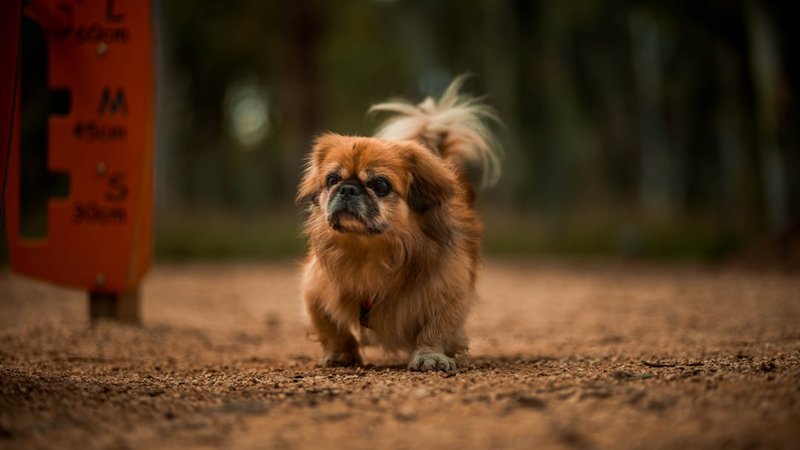
The Pekingese is a dignified, independent breed that was historically kept as a palace companion in China. They are calm and low-energy, making them a natural fit for apartment environments. They don’t demand long exercise sessions and are generally content to relax indoors for most of the day.
- Key Specs: Weight up to 14 lbs; height 6–9 inches; lifespan 12–14 years
- Pros: Very low exercise needs, calm temperament, loyal to their person
- Cons: Heavy shedding, brachycephalic concerns, can be aloof with strangers
13. Affenpinscher

The Affenpinscher, known as the “monkey terrier” for its distinctive face, is a sturdy and confident small dog that adapts well to apartment life. Their low-shedding coat and compact size are practical advantages, and their playful nature keeps urban owners entertained without requiring outdoor space.
- Key Specs: Weight 7–10 lbs; height 9–11.5 inches; lifespan 12–15 years
- Pros: Low shedding, bold personality, manageable exercise needs
- Cons: Can be territorial, may bark at strangers, requires patient training
14. Brussels Griffon
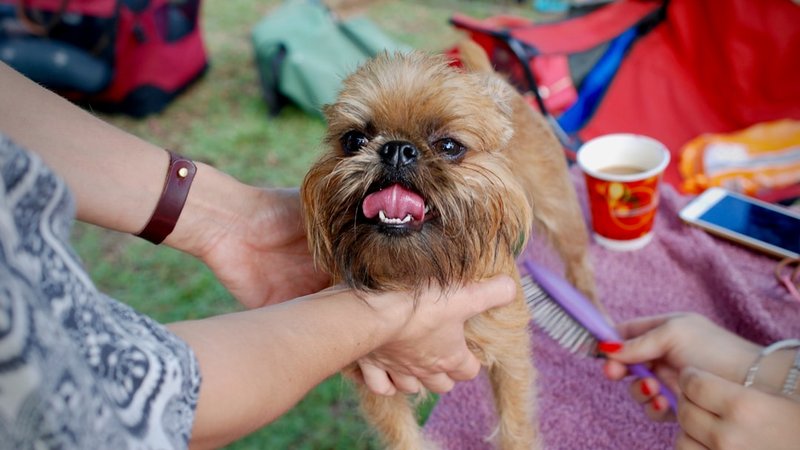
The Brussels Griffon is a small, expressive breed with a big heart and an almost human-like face. They bond deeply with their owners and are well-suited to apartment routines. Their moderate energy levels are easily satisfied with indoor play and short outdoor excursions around the block.
- Key Specs: Weight 8–10 lbs; height 7–10 inches; lifespan 12–15 years
- Pros: Highly affectionate, alert, low exercise requirements
- Cons: Can be sensitive and anxious, may bark, not ideal for families with very young children
15. Italian Greyhound

Despite being a sighthound, the Italian Greyhound is surprisingly well-suited to apartment living. They are quiet, clean, and gentle indoors, spending much of their time curled up on soft surfaces. They do need brief bursts of outdoor running, but their overall daily needs are modest.
- Key Specs: Weight 7–14 lbs; height 13–15 inches; lifespan 14–15 years
- Pros: Very quiet indoors, minimal shedding, elegant and low-maintenance coat
- Cons: Fragile bone structure, sensitive to cold, needs secure off-leash space for sprints
16. Papillon

The Papillon is one of the most intelligent toy breeds in existence. Their eagerness to learn and please makes them exceptionally trainable, which is a huge asset in apartment settings where manners matter. They thrive with mental stimulation and can get adequate exercise through indoor games and short walks.
- Key Specs: Weight 5–10 lbs; height 8–11 inches; lifespan 14–16 years
- Pros: Highly trainable, friendly, moderate shedding, adaptable
- Cons: Can be vocal if under-stimulated, requires regular coat brushing
17. Miniature Schnauzer

The Miniature Schnauzer is a spirited, intelligent breed that adjusts well to apartment routines when given consistent mental and physical outlets. Their low-shedding, wiry coat is a practical perk for apartment cleanliness, and their loyalty to family makes them excellent urban watchdogs without being excessive barkers.
- Key Specs: Weight 11–20 lbs; height 12–14 inches; lifespan 12–15 years
- Pros: Low shedding, smart, trainable, loyal and protective
- Cons: Can bark at strangers, requires regular grooming appointments, high energy if under-exercised
18. Lhasa Apso
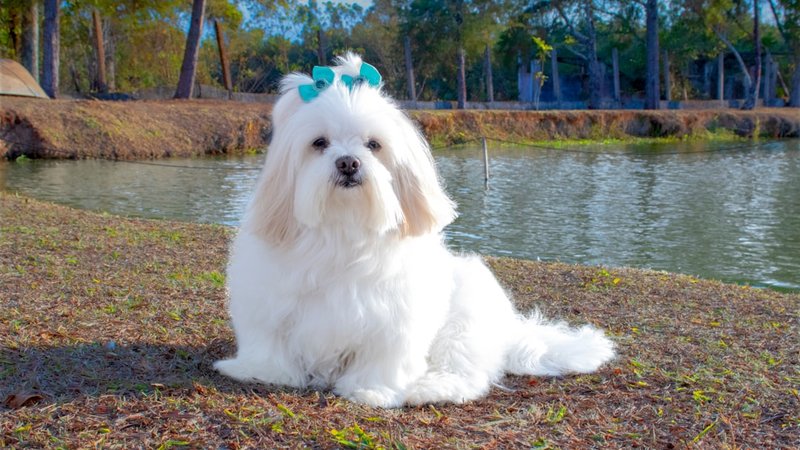
Originally bred as sentinel dogs in Tibetan monasteries, Lhasa Apsos are naturally attuned to indoor environments. They are calm, self-sufficient, and surprisingly hardy for their size. Their independent streak means they handle alone time better than many other small breeds, which is a real advantage for working apartment owners.
- Key Specs: Weight 12–18 lbs; height 10–11 inches; lifespan 12–15 years
- Pros: Handles solitude well, low exercise needs, long lifespan
- Cons: High coat maintenance, can be aloof or stubborn, early socialization is critical
19. Cocker Spaniel
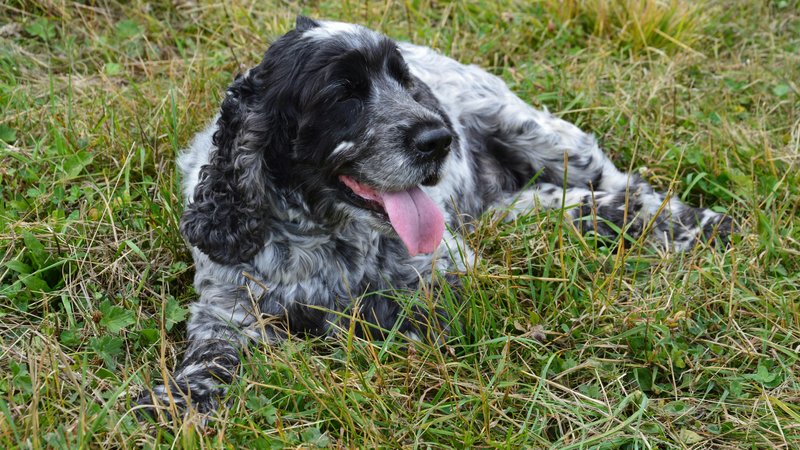
The Cocker Spaniel is a gentle, joyful breed that transitions well from suburban yards to urban apartments when exercised adequately. Their sweet temperament and moderate size make them a crowd-pleaser in communal building settings. They respond beautifully to positive reinforcement training, which helps establish apartment-friendly habits quickly.
- Key Specs: Weight 20–30 lbs; height 13.5–15.5 inches; lifespan 10–14 years
- Pros: Gentle, trainable, affectionate, good with children and other pets
- Cons: Requires regular grooming, prone to ear infections, needs consistent daily exercise
20. Beagle
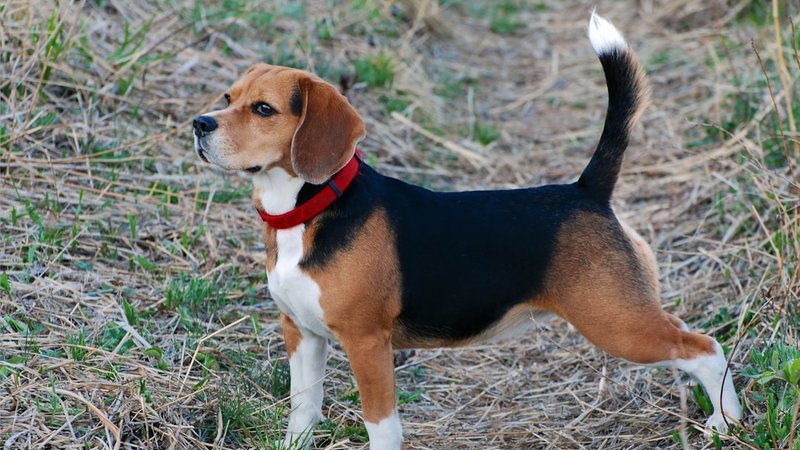
Beagles are friendly, curious, and pack a lot of charm into a medium-small body. With proper exercise and enrichment, they can adapt to apartment life reasonably well. Their scent-driven nature means mental stimulation is just as important as physical activity. Early training is key to managing their vocal tendencies in shared spaces. If you’re part of a couple considering a Beagle, check out our guide on dog breeds couples regret getting without planning first.
- Key Specs: Weight 20–30 lbs; height 13–15 inches; lifespan 10–15 years
- Pros: Friendly with everyone, sturdy, adaptable with proper exercise
- Cons: Known for howling, strong nose leads to distraction, needs daily mental stimulation
Understanding Space Requirements and Size Considerations for Apartment Dogs
One of the most common misconceptions about apartment dogs is that size is the only factor that matters. While small breeds are generally easier to accommodate, what truly determines success is a dog’s energy level and temperament relative to the space available. A calm, low-energy large breed can thrive in an apartment, while a high-strung small dog might struggle. Before choosing a breed, honestly assess how much floor space your apartment offers and whether your daily schedule allows for adequate outdoor time.
Energy Levels and Exercise Needs for Urban Dwellers
Urban dog owners often underestimate the exercise commitment required even for small breeds. Most apartment-friendly dogs still need at least one to two walks per day, plus indoor play sessions. Dogs that don’t receive adequate physical and mental stimulation often develop destructive behaviors — chewing, excessive barking, or restlessness — that become amplified in close-quarters living. Puzzle feeders, training sessions, and neighborhood walks all count toward daily enrichment.
Temperament and Noise Control: Managing Barking in Close Quarters
Noise is one of the most significant friction points between apartment dog owners and their neighbors. Breeds with a strong territorial instinct or high prey drive tend to bark more frequently at hallway sounds, elevator dings, and passing strangers. Teaching a reliable “quiet” command early, using white noise machines, and providing adequate enrichment before you leave home are all effective strategies. Choosing a breed naturally predisposed to quieter behavior — like the Cavalier King Charles Spaniel or Maltese — gives you a significant head start.
Grooming, Shedding, and Hypoallergenic Coat Characteristics
In a smaller living space, shedding becomes a more noticeable issue than it might be in a larger home. Breeds with low-shedding or hypoallergenic coats — such as the Bichon Frise, Maltese, and Miniature Schnauzer — are popular choices for apartment residents who want to minimize vacuuming and allergen exposure. However, low-shedding doesn’t mean low-maintenance. Many of these breeds require regular professional grooming to keep their coats healthy and tangle-free, which is an ongoing cost to factor into your budget.
Apartment-Specific Training Techniques for High-Rise Living
Training a dog in an apartment environment comes with unique challenges that yard-owning dog owners simply don’t face. Elevator rides, shared hallways, lobby greetings, and the absence of a private outdoor area all require specific behavioral preparation. According to the AKC’s guidance on apartment potty training, taking your dog outside consistently — after meals, in the morning, before bed, and after work — is the foundation of successful house training in a high-rise setting. With consistency, apartment training is no more difficult than training in a traditional home.
Separation Anxiety Management in Confined Spaces
Separation anxiety is more common in apartment dogs because they often spend more consecutive hours alone compared to dogs in homes with yards or doggy doors. Signs include destructive chewing, incessant barking, and house-soiling despite being trained. Crate training, gradual departure desensitization, and enrichment toys like stuffed Kongs can significantly reduce anxiety. For breeds particularly prone to this condition — such as the Cavalier King Charles Spaniel or Bichon Frise — a dog walker or midday check-in may be necessary. You can also learn to recognize when your dog is truly comfortable at home by reading about five signs your dog feels safe in their environment.
Cost of Ownership and Breed-Specific Expenses
Owning a dog in an apartment involves more than just food and vet bills. Urban dog owners often face additional expenses including professional grooming, doggy daycare, dog walkers, pet deposits, and monthly pet fees charged by landlords. Understanding typical apartment building operating expenses can help you understand why landlords factor pet policies into their financial planning — and why pet fees are so common. Budget for grooming every six to eight weeks for long-coated breeds, and always account for breed-specific health predispositions when estimating annual vet costs.
Building Pet Policies and Legal Considerations
Before bringing any dog home, thoroughly review your lease agreement and building pet policy. Many buildings impose weight limits, breed restrictions, or caps on the number of pets per unit. Some require pet interviews or references from previous landlords. Breed-specific legislation (BSL) also exists in certain cities and counties, which can affect ownership of particular breeds regardless of individual temperament. Always verify local ordinances and get pet permissions in writing before committing to a specific breed.
Socialization Strategies for Apartment-Dwelling Dogs
Dogs living in apartments are exposed to a high volume of novel stimuli — strangers in elevators, dogs in lobbies, street noise, delivery workers — which makes early and ongoing socialization especially critical. Puppies should be introduced to these experiences in a controlled, positive way during their socialization window. Adult dogs benefit from regular exposure to busy urban environments through structured walks and visits to dog-friendly spaces. A well-socialized apartment dog is calmer, more confident, and far less likely to react with barking or anxiety to everyday urban sounds.
Health Considerations for Dogs in Smaller Living Environments
Apartment dogs face some unique health considerations. Reduced outdoor time can limit natural exercise, increasing the risk of obesity in lower-energy breeds. Brachycephalic breeds like French Bulldogs and Pugs require extra monitoring in warmer months since apartments can heat up quickly. Smaller dogs are also more prone to dental disease, which owners should address with regular brushing and dental chews. Ensuring your apartment dog receives regular veterinary checkups, maintains a healthy weight, and gets consistent mental stimulation are the pillars of long-term urban canine health.