
Can Dogs Eat Shrimp? Safety Guide for Pet Owners
If you have ever tossed a piece of shrimp toward your dog during a backyard cookout, you are not alone. Many pet owners wonder whether this popular seafood is actually safe for their four-legged companions.
The short answer is yes — dogs can eat shrimp in moderation. However, there are important preparation steps and safety considerations every owner should understand before making it a regular part of their dog’s diet.
Nutritional Benefits of Shrimp for Dogs
Shrimp is surprisingly nutrient-dense for such a small food. It is a lean source of protein, which supports muscle maintenance and overall body function in dogs.
Shrimp also contains phosphorus, which supports healthy bones and teeth. Additionally, it provides antioxidants like astaxanthin, which may help reduce inflammation and support brain health in aging dogs.
One standout quality is that shrimp is low in fat and calories. This makes it a particularly appealing option for dogs who need a high-protein snack without the extra caloric load.
If you enjoy diversifying your dog’s protein sources, exploring options like homemade raw dog food for large breeds can open up a wider world of nutritious, whole-food ingredients beyond just shrimp.
Safety Concerns and Preparation Methods
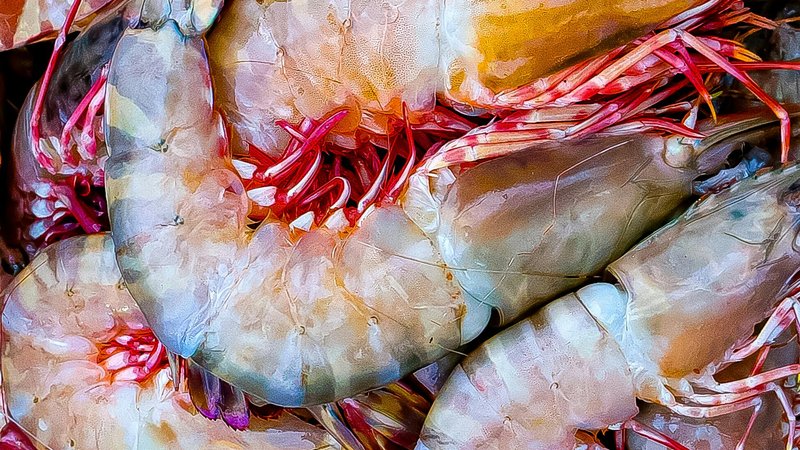
Raw shrimp carries a real risk of harmful bacteria and parasites, including Salmonella and Vibrio. Always cook shrimp thoroughly before offering it to your dog.
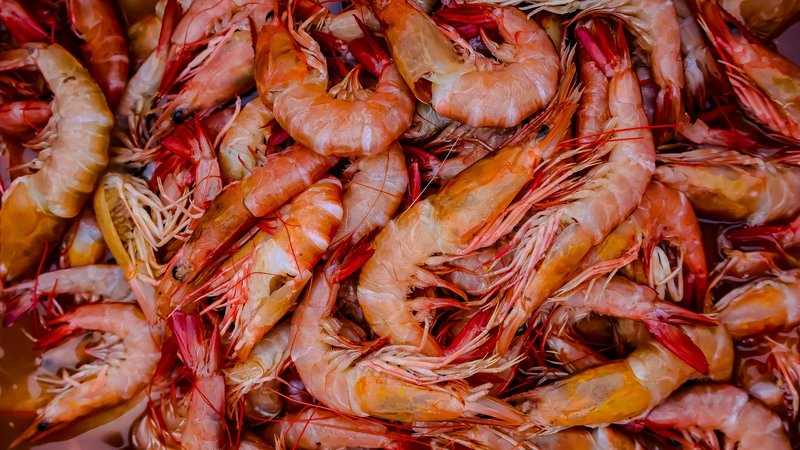
Plain boiled or steamed shrimp is the safest preparation method. Never serve shrimp that has been seasoned with garlic, onion, butter, or salt, as these ingredients are toxic or harmful to dogs.
Shrimp shells and tails should always be removed before feeding. They pose a choking hazard and can cause digestive irritation or even internal injury in smaller dogs.
Portion Guidelines and Feeding Recommendations
Shrimp should be treated as an occasional treat, not a dietary staple. A general guideline is that treats should make up no more than 10% of a dog’s daily caloric intake.
For small dogs, one or two small shrimp per serving is plenty. Larger breeds can handle a few more, but restraint is still the wisest approach, especially when introducing a new food.
If your dog enjoys seafood, you might also be curious about can dogs eat crab meat — another shellfish that comes with its own set of safety guidelines worth reviewing.
Allergic Reactions and Health Considerations
Some dogs are allergic to shellfish, including shrimp. Signs of an allergic reaction include itching, hives, swelling, vomiting, or diarrhea after consumption.
Always introduce shrimp in a very small amount the first time. Monitor your dog closely for the next 24 hours before offering it again.
Dogs with existing thyroid conditions should be given shrimp cautiously. Shrimp is naturally high in iodine, which in excessive amounts may interfere with thyroid function in sensitive dogs.

Shrimp is also relatively high in cholesterol. Dogs with a history of pancreatitis or cardiovascular issues should only receive shrimp with explicit approval from a veterinarian.
Shrimp as a Training Treat and Reward Strategy
Because shrimp is small, low in calories, and highly aromatic, it can be an excellent motivator during training sessions. Dogs respond strongly to novel, high-value rewards.
Interestingly, the appeal of shrimp as a training tool is not limited to dogs. Frost Science notes that target training is a common animal care technique used with intelligent aquatic animals like the peacock mantis shrimp, demonstrating just how versatile reward-based training can be across species.
When using shrimp as a training reward, cut pieces into very small portions to keep calorie counts low across a full session. Consistency and portion control are just as important during training as they are at mealtime.
For owners who also use organ meats and proteins in their training toolkit, how to cook duck hearts for dogs offers a thorough breakdown of another nutrient-rich, bite-sized treat option worth considering.
Used thoughtfully, shrimp can be a genuinely beneficial addition to your dog’s treat rotation — flavorful, nutritious, and easy to prepare when you follow the right safety steps.