
Homemade Raw Dog Food for Large Breeds
Switching a large breed dog to a raw diet is not a decision most owners take lightly. Between sourcing quality ingredients, hitting the right nutritional targets, and managing food safety, the learning curve is real. Still, many owners of breeds like German Shepherds, Great Danes, and Rottweilers report meaningful improvements in coat condition, digestion, and energy once they get the fundamentals right. If you are considering this path, understanding the core principles before you start is essential.
Understanding BARF Diet Principles and Nutritional Ratios for Large Dogs
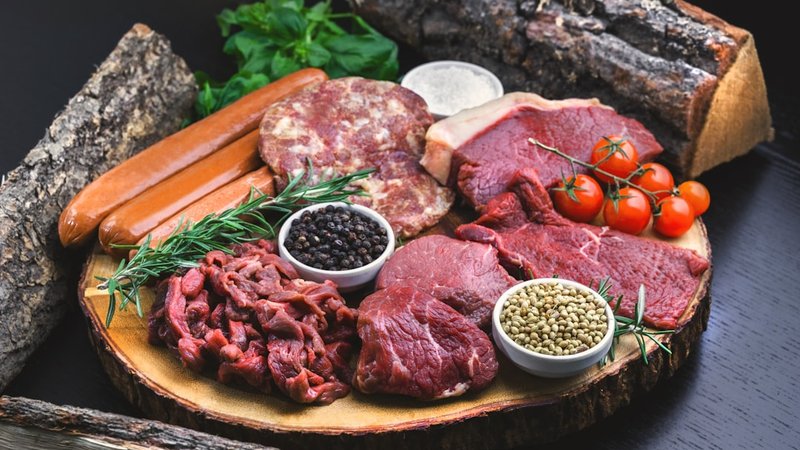
The Biologically Appropriate Raw Food (BARF) model is built around mimicking what dogs would consume in the wild. For large breeds, the standard starting framework is roughly 70 percent muscle meat, 10 percent raw edible bone, 10 percent organ meat (with half being liver), and 10 percent fruits, vegetables, and supplements. Large dogs have higher absolute caloric needs but similar percentage-based requirements to smaller breeds. Where they differ is in bone size and density — weight-bearing bones from large animals pose fracture and choking risks, so poultry bones and smaller cuts are generally safer. Raw feeding basics are a solid starting point for anyone new to the process.
Essential Ingredients: Muscle Meat, Organs, Bones, and Supplementation
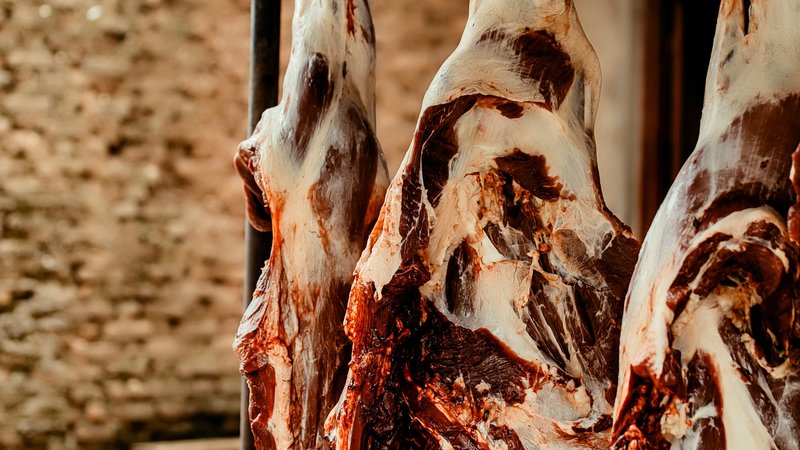
Muscle meat forms the caloric and protein backbone of any raw meal. Beef, turkey, lamb, and chicken thighs are popular choices for large breeds. Organ meats — particularly liver and kidney — deliver concentrated doses of fat-soluble vitamins and minerals that muscle meat alone cannot provide. Adding variety matters: rotating proteins helps prevent nutritional gaps and keeps meals interesting. Chicken feet are an excellent natural source of glucosamine, which is especially valuable for large breeds prone to joint issues — learn more about chicken feet for dogs and how to use them safely. For organ variety, chicken gizzards are another nutrient-dense option worth rotating in. Fish like sardines add omega-3 fatty acids that support coat health and reduce inflammation — see which fish are safest for dogs before adding them to the rotation.
Safety Considerations and Bacterial Contamination Risks
Bacterial contamination is one of the most serious concerns with raw feeding. Research shows that the proportion of Salmonella-containing raw meat pet products has been reported as high as 20 percent, and humans can contract Salmonella through handling contaminated food or direct contact with the pet. This risk is especially relevant in households with young children, elderly individuals, or immunocompromised people. Freezing meat before use can reduce — but does not eliminate — pathogen load. Sourcing from reputable suppliers who test their products is a meaningful safeguard. Reviewing quality raw food options from established retailers can help you identify safer sourcing standards.
Feeding Guidelines Based on Weight, Activity Level, and Life Stage
A common starting point is feeding two to three percent of a dog’s ideal body weight per day, split into two meals. A highly active 90-pound dog may need closer to three percent, while a sedentary or older dog may do better at two percent or slightly below. Puppies of large breeds require more calcium and phosphorus for bone development, which changes the bone-to-meat ratio considerably. Obesity in dogs is a real concern even on raw diets — monitoring body condition score regularly helps prevent overfeeding. Adjust portions based on visible body condition rather than weight alone, since muscle mass can mask fat gain.
Storage, Preparation, and Kitchen Hygiene Best Practices
Batch preparation is the most practical approach for large breed owners. A quality food processor — such as the Cuisinart 14-cup model — makes grinding and mixing large volumes of meat and vegetables far more manageable. Portioned meals should be stored in airtight containers and frozen in weekly batches, with only two to three days’ worth thawing in the refrigerator at any time. Dedicated cutting boards, knives, and bowls for raw meat — kept entirely separate from human food prep surfaces — are non-negotiable. Wash hands thoroughly after every handling session, and disinfect surfaces with a diluted bleach solution or food-safe sanitizer after each prep session.
Working with Veterinary Nutritionists for Balanced Homemade Formulations
Even experienced raw feeders benefit from professional input, particularly when managing large breeds with orthopedic concerns, digestive sensitivities, or life stage transitions. Board-certified veterinary nutritionists can analyze homemade recipes for deficiencies and create customized feeding guidelines. The UC Davis Veterinary Nutrition service offers both direct consultations and critical care formulations for dogs with complex needs. Reviewing dog nutritional requirements before your first appointment will help you ask better questions and make the most of that time. A well-formulated raw diet takes more upfront effort than opening a bag of kibble, but for large breeds, the long-term payoff in joint health, digestion, and vitality can be substantial.