How to Help an Anxious Dog During Thunderstorms
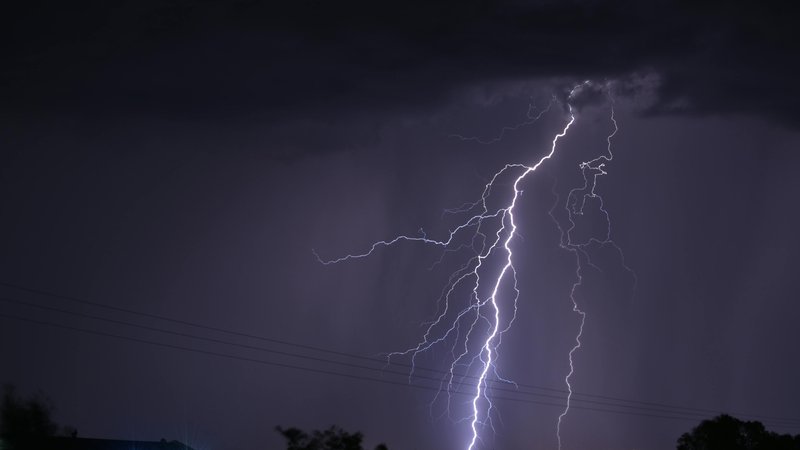
Thunderstorms can turn a confident, happy dog into a trembling, panicked mess within seconds. The booming sounds, flashing lights, and even static electricity in the air can trigger intense fear responses in many dogs.
If your dog hides, shakes, or becomes destructive during storms, you are not alone. This is one of the most common behavioral concerns dog owners face, and the good news is there are proven ways to help.
Understanding Canine Storm Anxiety and Sensory Sensitivity
Dogs experience thunderstorms very differently than humans do. They can detect changes in barometric pressure, sense static electricity through their fur, and hear thunder at frequencies far beyond human range.
This combination of sensory triggers can overwhelm a dog’s nervous system quickly. Storm phobia in dogs is a genuine condition, not simply bad behavior or stubbornness.
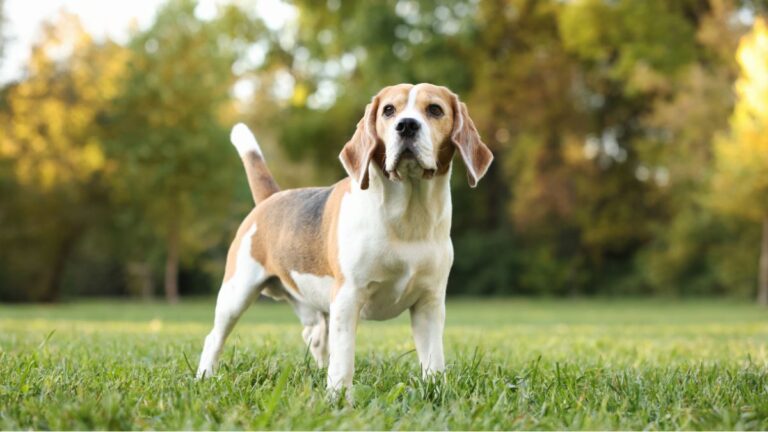
It is also worth noting that certain dog breeds do exhibit a higher predisposition to anxiety than others, largely due to genetic factors, temperament traits, and breed-specific sensitivities. Border Collies, Vizslas, and Lagotto Romagnolos are among those commonly affected.
Creating a Safe Shelter Space for Storm Protection
One of the simplest and most effective steps you can take is giving your dog a dedicated safe space. This could be a crate covered with a blanket, a closet, or a quiet interior room away from windows.
Let your dog choose where they feel most comfortable rather than forcing them into a spot. Familiar scents, a favorite toy, and soft bedding can make that space feel genuinely secure. Knowing your dog actually feels safe at home starts with reading their body language honestly.

Desensitization and Counterconditioning Techniques
Desensitization involves gradually exposing your dog to storm-related sounds at a very low volume, then slowly increasing the intensity over time. Paired with positive rewards, this helps your dog build a new, calmer association with those triggers.
Counterconditioning works alongside this by replacing the fearful response with something positive, like a high-value treat or a favorite game. Breaking down each element of a stimulus, such as sound and light, helps you build a structured and effective training plan.
Consistency is everything with this approach. Short, frequent sessions work far better than long, infrequent ones, and patience is non-negotiable.
Calming Solutions: From Anxiety Wraps to Natural Supplements
Anxiety wraps, like the popular Thundershirt, apply gentle, constant pressure to a dog’s body in a way that mimics swaddling. Many owners report noticeable improvements in their dog’s stress levels during storms when using one consistently.
Natural supplements such as melatonin, L-theanine, or products containing chamomile can also take the edge off mild to moderate anxiety. Always confirm dosing with your veterinarian before introducing any supplement to your dog’s routine.
Calming your dog during thunderstorms can also involve playing white noise or classical music to mask the sharp cracks of thunder. Staying calm yourself matters too, since dogs are highly sensitive to their owner’s emotional state.

Diet can play a supporting role in overall anxiety management as well. Omega-3 fatty acids found in fish like sardines may support brain health and reduce stress responses. If you are curious about safe options, check out this guide on the best fish for dogs to eat.
When to Consult a Veterinary Behaviorist for Severe Anxiety
If your dog’s storm anxiety is severe enough to cause self-injury, prolonged panic, or complete inability to settle, it is time to involve a professional. A veterinary behaviorist can assess the full picture and recommend prescription medications if needed.
Medications like trazodone or alprazolam are sometimes prescribed specifically for situational anxiety events like storms. These are not long-term solutions for every dog, but they can be genuinely life-changing for those with extreme phobias.
You know your dog better than anyone. Tracking their behavior, triggers, and responses over time gives any professional you work with the clearest possible starting point. Helping your dog feel safe during storms is absolutely achievable with the right combination of tools, patience, and support. You can also explore what vets say about certain dog toys to make sure your dog’s comfort items are genuinely safe choices.