7 famous Pets that went down in History books: Companions you probably never Heard About
History books usually focus on kings, presidents, and famous leaders, but some of the most fascinating stories involve the animals that stayed by their side. These pets were more than background characters. They comforted people during wars, traveled across oceans, and sometimes even influenced public image and morale. Here are seven real pets from history, including a few you have probably never heard about, plus why they mattered. In many cases, these animals became symbols of hope, loyalty, and resilience during difficult times.
1. Fala (Franklin D. Roosevelt’s Scottish Terrier)
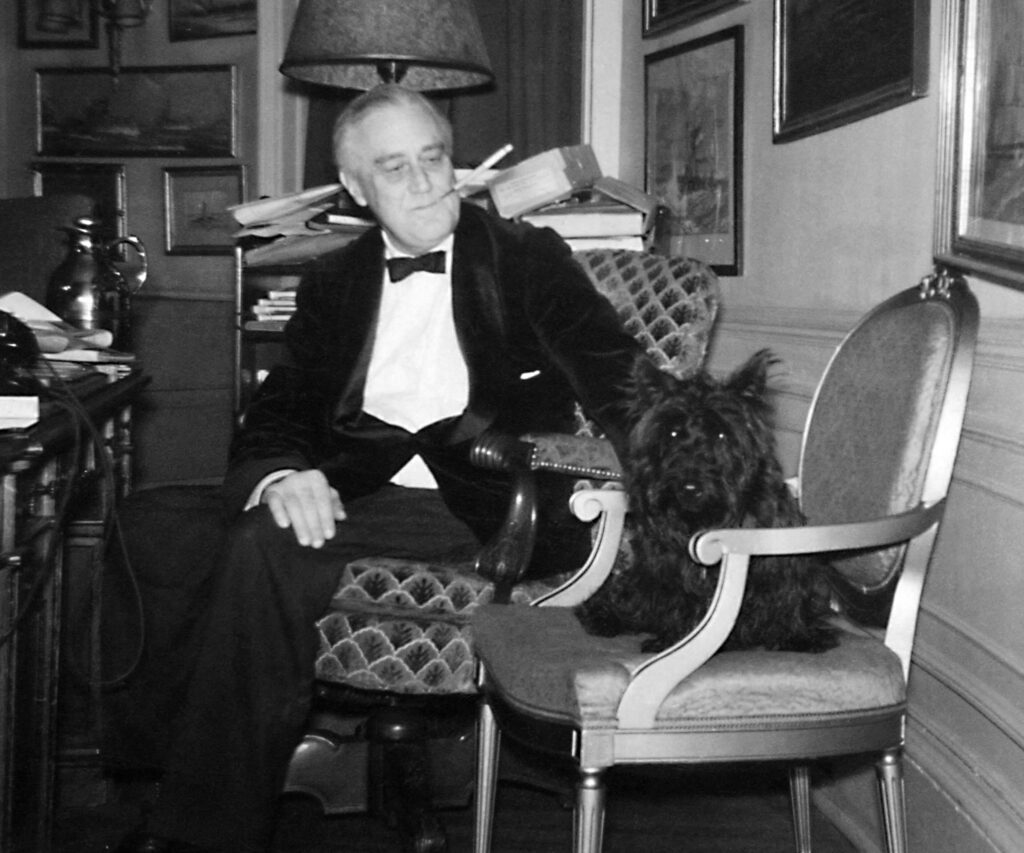
Fala was not just a White House pet; he became part of American political history. Franklin D. Roosevelt’s Scottish Terrier traveled with him often and appeared in photos that helped humanize the president during World War II. Fala even became the subject of Roosevelt’s famous “Fala speech,” where he joked about rumors and used humor to connect with the public. The dog became a symbol of warmth during a tense era, and Americans adored him. Fala’s popularity was so strong that he is still remembered today, including a statue beside FDR at the Franklin Delano Roosevelt Memorial. Few pets have ever shaped public perception so clearly.
2. Checkers (Richard Nixon’s Dog That Changed a Political Moment)
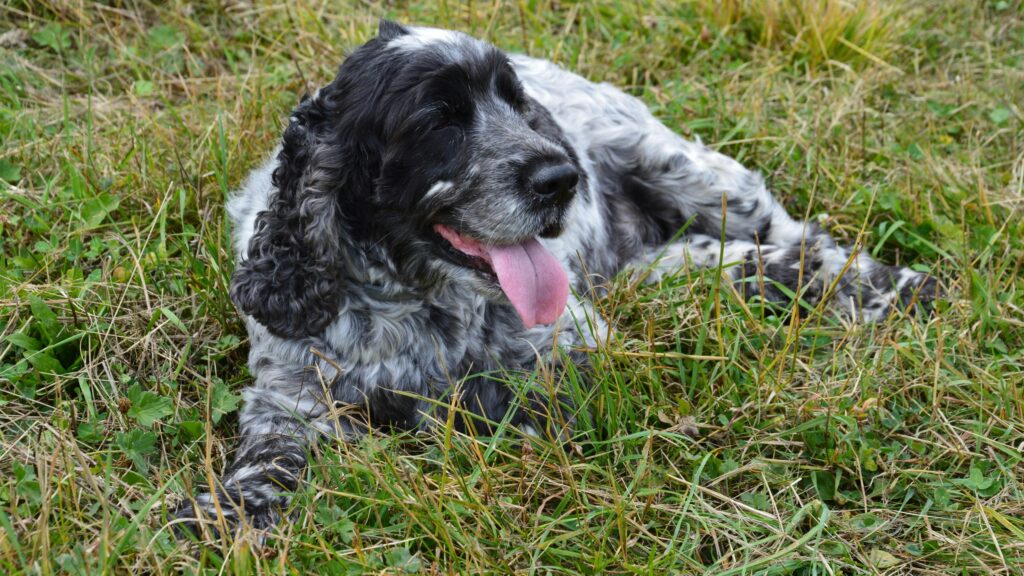
Checkers, a black-and-white cocker spaniel, became famous during Richard Nixon’s early political career. In 1952, Nixon gave a televised speech responding to accusations about campaign funds. Instead of only defending himself, he told the public about a dog his family received as a gift. He said his daughters loved the dog, and they were keeping him no matter what critics said. That moment, now called the “Checkers speech,” helped shift public opinion and saved Nixon’s place on the ticket. It is one of the most famous examples of a pet shaping political storytelling. Even people who do not follow history often recognize the name.
3) Seaman (Lewis and Clark’s Newfoundland Explorer Dog)
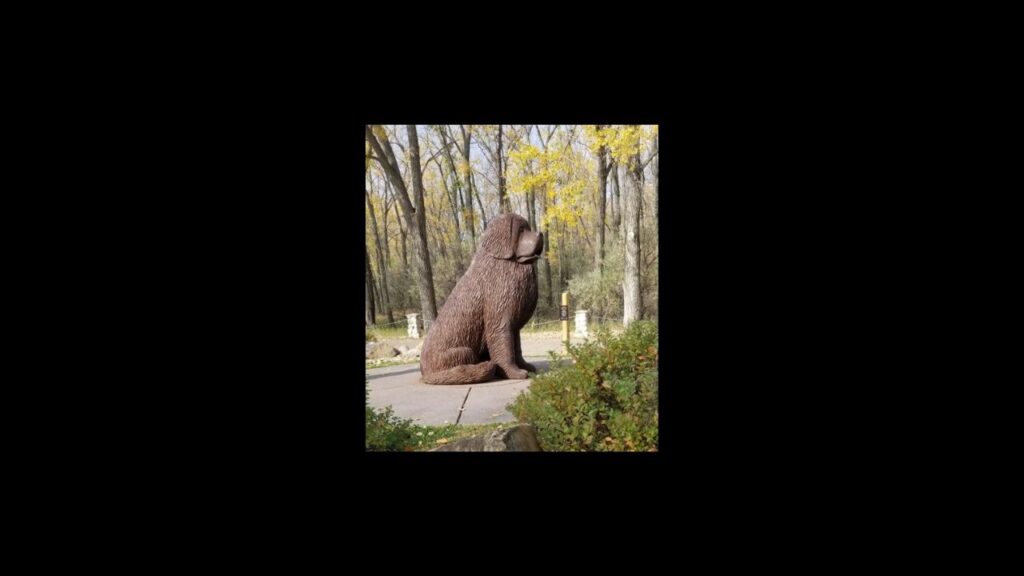
Seaman was a large Newfoundland dog who joined the Lewis and Clark expedition in the early 1800s. He traveled thousands of miles across rugged terrain, through harsh weather, and alongside wild animals. Journals from the expedition mention Seaman frequently, showing he was treated as a real member of the team. The dog helped with hunting, provided protection, and boosted morale during difficult stretches. What makes Seaman remarkable is that he completed the entire journey, something few animals could have survived. He is a lesser-known piece of American exploration history, but his story is one of the most impressive travel tales of all.
4. Bobbie the Wonder Dog (The Pet Who Walked Home Across America)
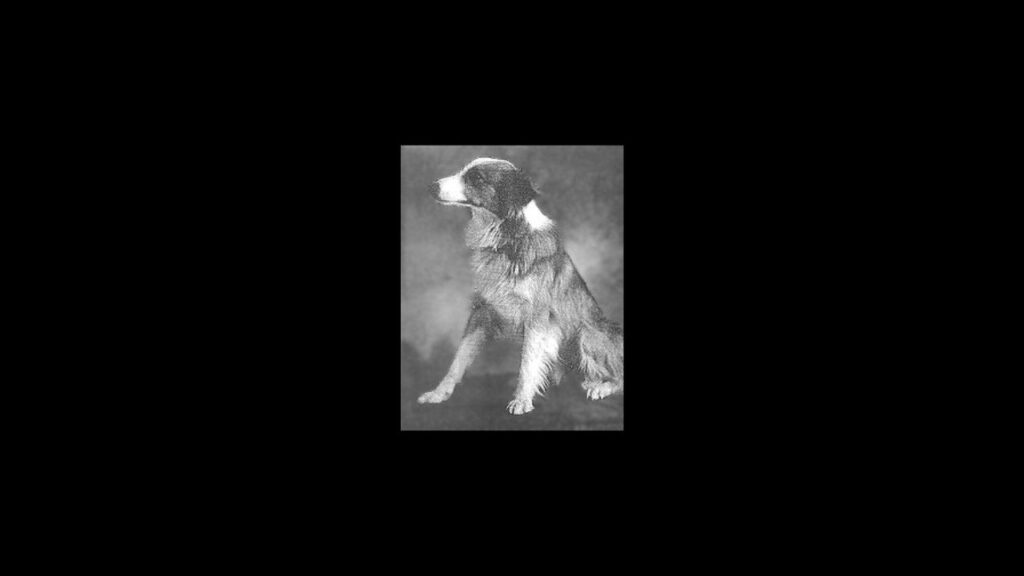
Bobbie became famous in the 1920s after getting lost during a family trip and then doing the impossible. The dog reportedly traveled around 2,500 miles to return home to Oregon, crossing mountains, deserts, and multiple states. Newspapers covered the story nationwide, and Bobbie became a symbol of loyalty and endurance. While details vary across retellings, the core story is well-documented and captured the public imagination at the time. Bobbie was even honored in parades and events, which shows how strongly people connected with the idea of a pet refusing to give up. It is one of America’s most famous lost-and-found pet legends.
5. Cher Ami (The Pigeon Who Saved Soldiers in World War I)
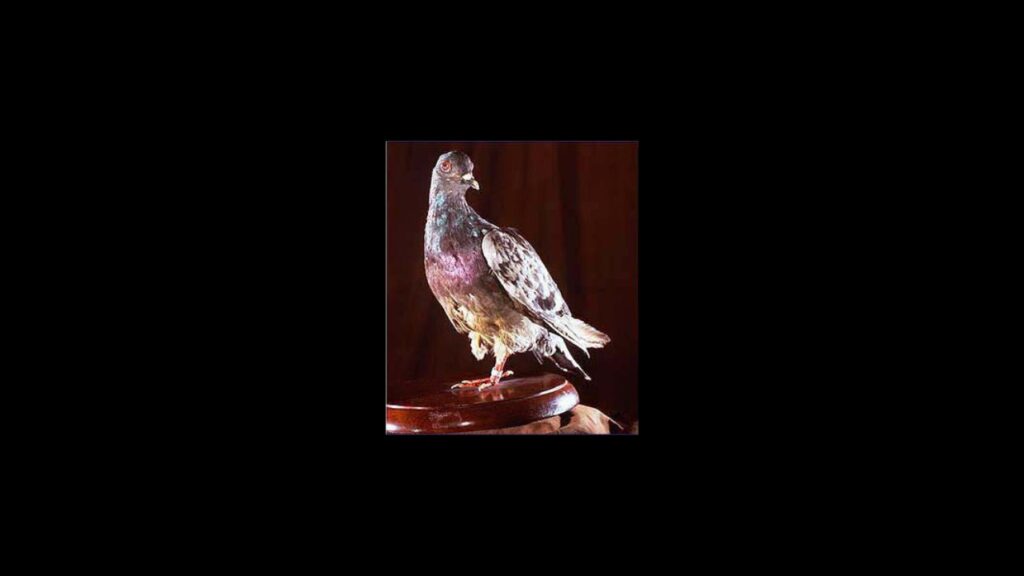
Cher Ami was not a traditional pet, but this carrier pigeon became a wartime hero and went down in history. During World War I, Cher Ami delivered critical messages under heavy fire and helped save nearly 200 soldiers from the “Lost Battalion.” The pigeon was injured during one mission but still completed the flight, making the message possible. Cher Ami became a symbol of bravery and is remembered as one of the most famous animals in military history. The story is also a reminder that animals played serious roles in war, long before modern technology. Even today, Cher Ami is recognized for extraordinary service.
6. Unsinkable Sam (The Cat Who Survived Three Ship Sinkings)
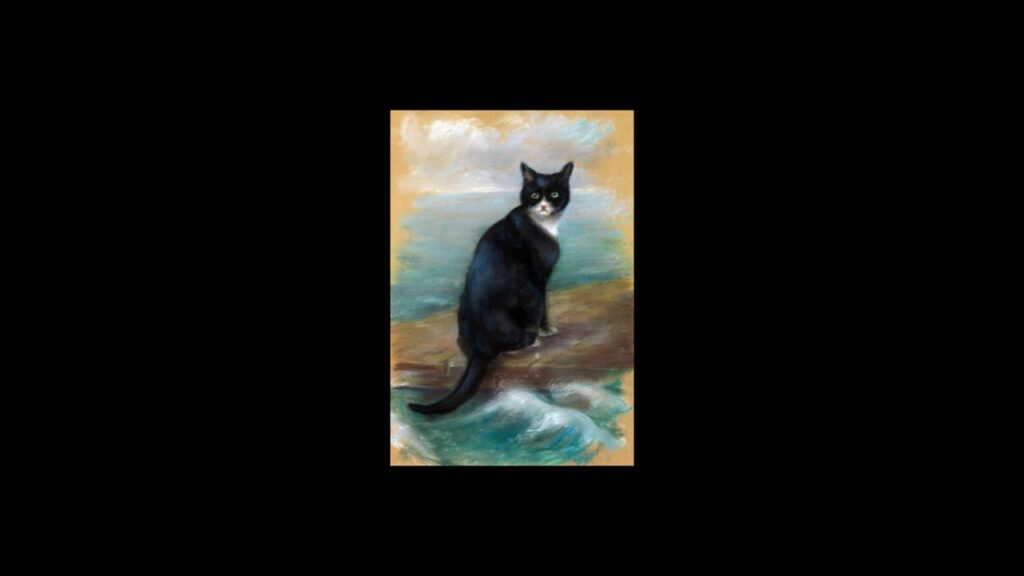
Unsinkable Sam is one of the most peculiar animal stories associated with World War II. The cat was reportedly found on a sinking German battleship, rescued by British sailors, and subsequently survived two more shipwrecks. Whether or not every detail is perfectly documented, the story became famous because it captured the superstition and humor that sailors relied on during the war. The cat became a morale booster, a living symbol of luck, and a reminder of survival in chaotic times. Stories like Sam’s spread quickly in military circles because they gave people something lighthearted to hold onto; his legend still appears in many naval history collections today.
7. Mrs. Chippy (The Ship’s Cat on Shackleton’s Endurance)
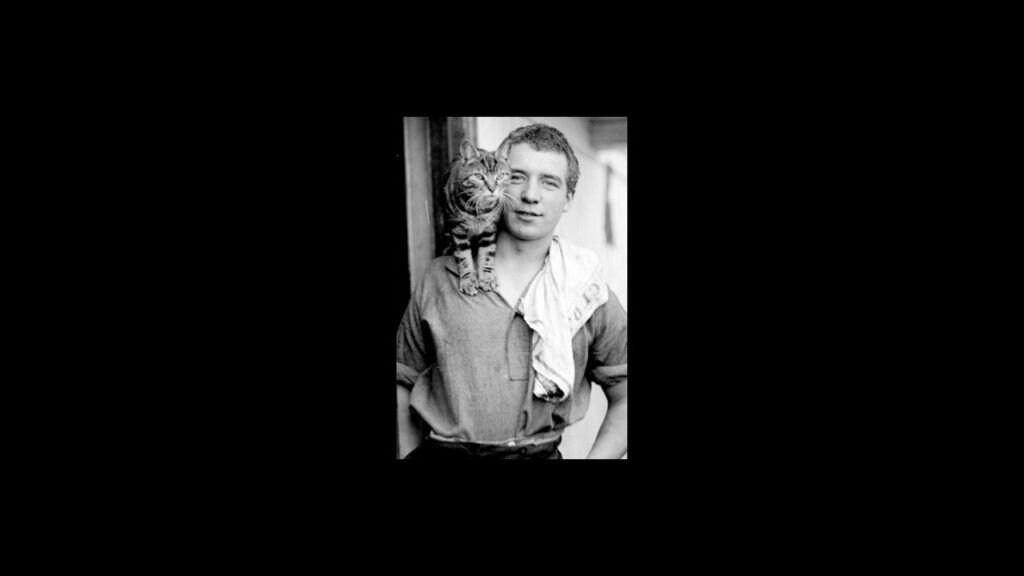
Mrs. Chippy was the ship’s cat on Ernest Shackleton’s Endurance expedition to Antarctica. The cat was known for being friendly and brave, often climbing rigging and staying close to the crew. When the ship became trapped and eventually crushed by ice, the expedition turned into a survival story that became world-famous. Mrs. Chippy’s presence mattered because pets can provide comfort and routine, especially during extreme isolation. The cat is remembered in expedition diaries, and his story is still discussed by polar history fans today. It is a lesser-known detail, but it makes the Endurance story feel more human.