The Luxury Leash: Top Destinations Where Your Dog Gets Better Service Than You Do.
Ivan Babydov/pexels
|

The Luxury Leash: Top Destinations Where Your Dog Gets Better Service Than You Do.

Luxury travel has undergone significant changes over the past decade.

It is no longer just about ocean views, champagne check-ins, and private transfers.

Now, the real VIP might be the one walking on a leash beside you.

Across the world, luxury hotels compete for high-spending pet owners. Not with basic dog-friendly policies or simple water bowls at reception. But with canine butlers, gourmet pet menus, spa & wellness rituals, and pet concierge teams.

In some destinations, your dog receives personalized welcome items, tailored pet amenities, curated bedding, and even no pet fees.

Sometimes, the service is better than yours.

Las Ventanas al Paraíso, Los Cabos

Las Ventanas al Paraíso, Los Cabos
Josh Sorenson/pexels

You arrive in Los Cabos expecting flawless five-star treatment and seamless service.

Your dog receives a personal butler assigned to canine comfort.

At Las Ventanas al Paraíso, luxury pet travel becomes structured indulgence at the highest level. Dedicated pet butlers coordinate walking, feeding, in-room care, and playtime with remarkable precision.

There is a custom “Canine Delights” gourmet menu crafted daily with premium ingredients.

There are pet massages, even guided doga sessions overlooking the sea.

This is not just pet-friendly hospitality.

This is one of the most luxurious dog-friendly hotels in the world for VIP pets.

The Little Nell, Aspen
The Little Nell, Aspen
Abhishek Navlakha/pexels

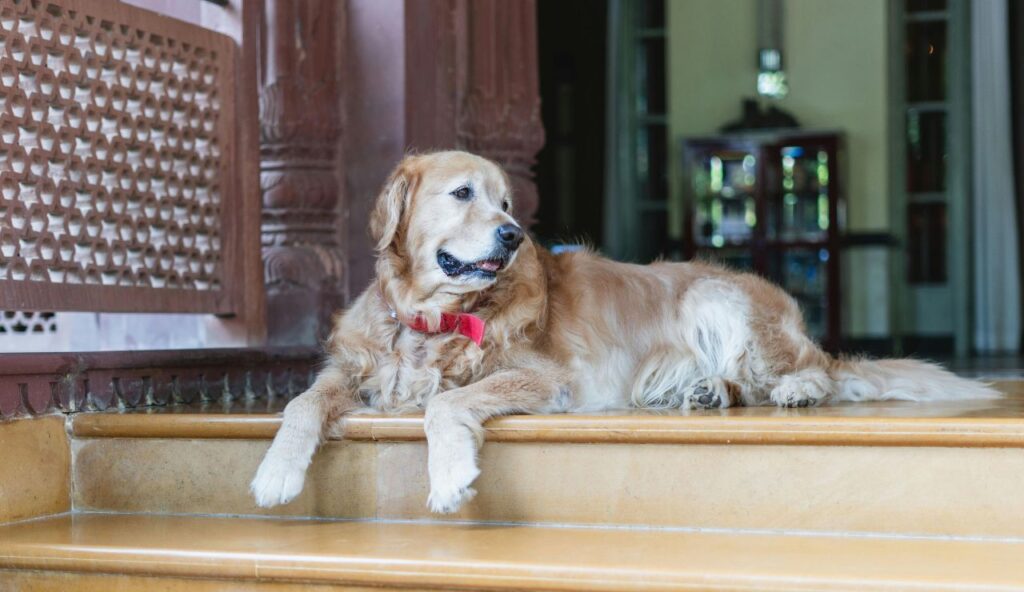
Snow falls softly in Aspen.

Your suite is warm. So is your dog’s private bedding, layered with plush alpine textures.

The Little Nell blends alpine refinement with dog-centric luxury in one of Colorado’s exclusive mountain towns. A dedicated pet menu is available through room service, crafted for active, high-altitude appetites.

Pet sitting can be arranged with trusted local handlers.

Mountain trails double as curated dog walking routes, with off-leash access in designated areas surrounded by breathtaking scenery.

Aspen is already a pet-friendly city known for outdoor indulgence.

Here, your dog feels like a regular, not just a guest.

Inn by the Sea, Cape Elizabeth

Luxury often comes with hidden fees and fine print that unnecessarily inflate final costs.

Not here.

Inn by the Sea stands out among luxury hotels for eliminating pet fees. Pets of all sizes are welcomed without size or weight restrictions, creating rare transparency.

Specialized treats await at check-in, thoughtfully prepared daily for discerning canine guests.

Coastal walking trails begin steps from the property, offering scenic ocean views and sea air.

This is pet policy excellence done right in a competitive luxury market.

No gimmicks. Just thoughtful hospitality built around dogs and their comfort.

Ritz-Carlton Bachelor Gulch, Colorado

Some hotels allow dogs with limited amenities.

This one builds its identity around one very visible presence.

The Ritz-Carlton Bachelor Gulch features a resident canine ambassador named Bachelor. The presence is not symbolic. It signals structured, VIP pet treatment and reinforces authentic dog-friendly positioning.

Upscale bedding. Coordinated dog walking. Tailored pet amenities designed for comfort and consistency.

This is a luxury destination where dogs are fully integrated into the brand narrative and guest experience.

Not merely accommodated.

Proudly and visibly celebrated as valued guests.

Four Seasons Hotels & Resorts

Four Seasons Hotels & Resorts
Mehmet Turgut Kirkgoz/pexels

Consistency defines true luxury in every meaningful detail.

Four Seasons extends that philosophy to canine guests across multiple global locations with structured service standards.

Many properties offer personalized welcome items, premium dog beds, and coordinated pet concierge services to ensure seamless comfort.

Offerings vary by city and local regulations.

The standard does not waver.

Among the best dog-friendly luxury hotels worldwide, Four Seasons proves that refined hospitality can extend naturally and confidently to four-legged travelers and their devoted owners alike, everywhere, without compromise.

Similar Posts

  • Squirrel Boldly Steals Peanuts from Dog Right Under His Nose and His Reaction Surprises Everyone

    A dog named Django Smiles found himself in an unexpected sharing situation during what his owner described as brunch with his best friend. In a charming video shared on the Instagram account at djangosmiles, the pup sits calmly while a tiny squirrel helps itself to his peanuts. Many dogs would guard their snacks fiercely, yet…

  • 5 ways Vacation Routines Stress your Pet: Psychology Science most owners Miss

    Vacations are exciting for humans, but for pets, they can feel confusing, stressful, and even scary. Many animals rely on routine to feel safe, so small travel changes can trigger anxiety in ways owners do not expect. The science is simple: pets read patterns, smells, and body language, not calendars. These five overlooked vacation habits can raise stress fast, even in calm pets, and knowing them helps you prevent problems before they start. A few small adjustments can make travel days easier for everyone.
    1. Packing Early Signals “Something Is Wrong” to Your Pet
    When you start pulling out suitcases, your pet often notices before you do. Many animals link luggage with separation, which can trigger anticipatory anxiety. Dogs and cats are experts at pattern recognition, so even quiet packing can create stress because it predicts a major change. Some pets respond by pacing, whining, hiding, or becoming clingy. Others may stop eating or start acting unusually alert. Psychology research on animal behavior shows that uncertainty is often more stressful than the event itself. Packing in smaller steps, keeping normal routines, and adding calm activities can reduce the buildup of anxiety.
    2. Your Mood and Body Language Change More Than You Realize
    Vacation prep usually comes with stress, rushing, and distraction. Pets notice that shift immediately because they rely heavily on your tone, facial expression, and energy. Even if you are excited, the fast movement, shorter patience, and unusual household noise can signal danger to an animal’s brain. This is especially true for anxious dogs and sensitive cats. Behavioral science shows that animals can mirror human stress through increased vigilance and restlessness. A pet may start shadowing you, refusing naps, or becoming reactive. Slowing down, using a calm voice, and keeping playtime normal can make a big difference.
    3. Skipped Walks, Late Meals, and Broken Timing Disrupt Safety Signals
    Many owners think pets will adjust easily to vacation timing changes, but routine is a major source of security for most animals. Meals, walks, and bedtime create predictable anchors that tell a pet their world is stable. When those anchors shift, stress rises, especially in dogs who depend on consistent potty breaks and activity. Cats can also become unsettled when feeding schedules change, which may lead to hiding, vocalizing, or litter box issues. Studies on animal stress show that predictable patterns lower cortisol over time. Even on travel days, keeping timing as close as possible helps pets stay calmer.
    4. New Smells and Spaces Can Trigger Overload, Not Curiosity
    People often assume pets will be excited by a new place, but unfamiliar environments can overwhelm them. Animals process the world through scent and sound, so hotels, rentals, or relatives’ homes can feel like sensory overload. New cleaning products, unfamiliar pets, strange floors, and different noises can raise stress quickly. Dogs may become hyper-alert, bark more, or refuse to settle. Cats may hide for hours or stop eating. Animal behavior research shows that novelty is not always enriching, especially when the pet has no control. Bringing familiar bedding, toys, and maintaining a quiet corner helps reduce that overload.
    5. Handing Them Off to a Sitter Without a Transition Creates Separation Shock
    Even if you trust your sitter, your pet may not. A sudden handoff can feel like abandonment to an animal that does not understand travel plans. Dogs may respond with barking, destructive behavior, or loss of appetite. Cats may become withdrawn, refuse interaction, or show stress through litter changes. Psychology studies on attachment show that animals form strong bonds and feel distress when those bonds are disrupted without a predictable transition. A short meet-and-greet, a trial visit, or a practice overnight can reduce stress dramatically. Familiar scents, written routines, and consistent feeding also help the sitter maintain stability.

  • How to Show Your Dog Love in a Way They Actually Understand

    Dogs love unconditionally, and most pet owners would do anything to make sure their furry companion truly feels that love in return. The tricky part is that dogs don’t experience affection the way humans do. Rather than words or grand gestures, they pick up on actions, consistency, and the energy you bring into everyday moments….

  • Your Laundry Pile Is Your Dog’s Comfort Blanket, and the Science Behind It Is Genuinely Moving

    There are few sights more familiar to dog owners than discovering their best friend fast asleep on a pile of clothes, a discarded hoodie, or a pair of worn shoes left by the door. It might seem like a harmless quirk, something you laugh about and photograph before gently nudging your dog toward their actual…