Can Dogs Eat Honey? Safety Guide for Pet Owners
Honey is one of those natural foods that seems wholesome and harmless, but many pet owners pause before sharing it with their dogs. The short answer is yes — most healthy adult dogs can eat honey in small amounts. However, there are important nuances every owner should understand before reaching for that jar.
Not every dog is a good candidate for honey, and even safe foods can cause problems when given in the wrong quantities. Understanding the full picture helps you make the best choice for your specific pet.
Safety Considerations and Botulism Risk for Puppies
Raw honey can contain Clostridium botulinum spores, the bacteria responsible for botulism. Adult dogs have mature digestive systems that can typically handle these spores without issue.
Puppies, however, are a different story. Their immune and digestive systems are still developing, making them vulnerable to botulism toxin. Raw honey should never be given to puppies under one year of age.
Dogs with compromised immune systems face similar risks. If your dog is immunocompromised, elderly, or recovering from illness, consult your veterinarian before introducing honey into their diet.
Nutritional Benefits and Natural Energy for Active Dogs
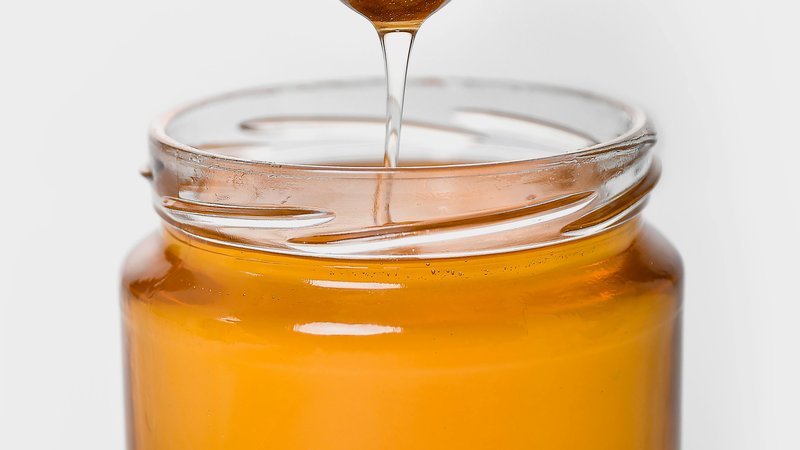
Honey isn’t just a sweet treat — it offers real nutritional value. According to natural energy research, honey is an excellent source of simple sugars like glucose and fructose, making it a quick, natural energy booster — ideal for active dogs or those recovering from illness.
Beyond energy, honey contains small amounts of vitamins and minerals, including B vitamins, vitamin C, potassium, and antioxidants. These compounds can support overall wellness when honey is given as an occasional supplement.
Some owners also use honey to soothe mild throat irritation or seasonal allergy symptoms in dogs. While anecdotal reports are promising, it’s worth noting that veterinary honey research remains limited, with most studies conducted in rodents rather than companion animals like dogs and cats.
If you’re exploring other nutritious food additions for your dog, the benefits of chia seeds for dogs offer another interesting angle on natural dietary supplements worth considering.
Honey Types and Their Specific Properties for Canine Health
Not all honey is created equal. Raw, unprocessed honey retains the most nutrients and beneficial enzymes, making it the preferred choice over heavily processed commercial varieties.
Manuka honey stands out among honey types. It is darker than most other varieties and is known for strong antibacterial properties, often used for medicinal purposes — including topical wound care in animals. Some veterinarians recommend it specifically for skin and wound applications.
Clover honey is the most widely available and is a perfectly acceptable everyday option for dogs when given appropriately. Avoid flavored or infused honey products, which may contain additives or sweeteners harmful to dogs.

Appropriate Dosage and Serving Guidelines
Portion size matters significantly with honey. Because of its high sugar content, too much can lead to weight gain, dental issues, and digestive upset.
A general guideline based on body weight: small dogs (under 10 lbs) should receive no more than ¼ teaspoon per day, medium dogs can have up to ½ teaspoon, and large dogs may tolerate up to 1 teaspoon daily. These amounts should be occasional rather than a daily habit.
Always introduce honey gradually and monitor your dog for any signs of digestive upset, loose stools, or changes in energy. If you notice anything unusual, discontinue use and contact your vet.
Special Considerations for Dogs with Health Conditions
Dogs with diabetes should not be given honey. The high glycemic load from glucose and fructose can cause dangerous blood sugar spikes that are difficult to manage.
Overweight or obese dogs should also avoid honey, as the extra calories can worsen their condition. Even small amounts add up over time, particularly for dogs on calorie-restricted diets.
Dogs with known bee or pollen allergies may react to honey as well. Symptoms to watch for include facial swelling, hives, vomiting, or difficulty breathing — all of which require immediate veterinary attention.
For new dog owners navigating the many dietary decisions that come with pet ownership, following sound guidance from the start is essential — much like the advice shared for dogs eating sesame seeds, where small details about safe foods can make a meaningful difference in long-term health.
When in doubt, your veterinarian is always the best resource for personalized dietary guidance tailored to your dog’s unique health profile and needs.