
10 Best Reptiles for Beginners: Complete Guide
Choosing your first reptile is an exciting milestone, but the sheer variety of species available can feel overwhelming. Not every reptile is suited to a beginner’s experience level, budget, or living space.
The good news is that several species are genuinely forgiving, hardy, and rewarding to keep. This guide walks you through ten of the most recommended options, covering everything from temperament to tank setup and feeding costs.
According to National Geographic’s reptile research, reptiles are among the most diverse vertebrate groups on the planet, with over 10,000 known species. Only a small fraction of those thrive in captivity, and an even smaller number are genuinely beginner-friendly.
1. Leopard Gecko
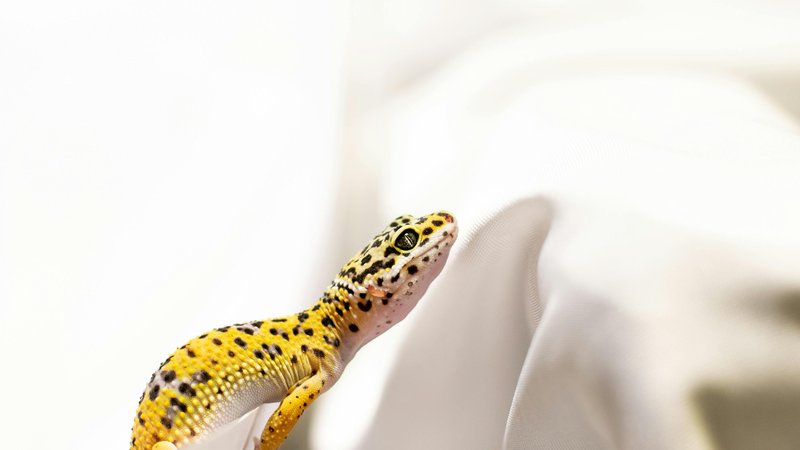
The leopard gecko is widely considered the gold standard for first-time reptile keepers. They are docile, slow-moving, and tolerate gentle handling remarkably well. Unlike many reptiles, they do not require UVB lighting, which simplifies setup considerably.
- Key Detail: Thrives at temperatures between 75–88°F with a warm hide and a cool side.
- Important Note: Always purchase captive-bred specimens to avoid parasites and stress-related illness.
2. Bearded Dragon
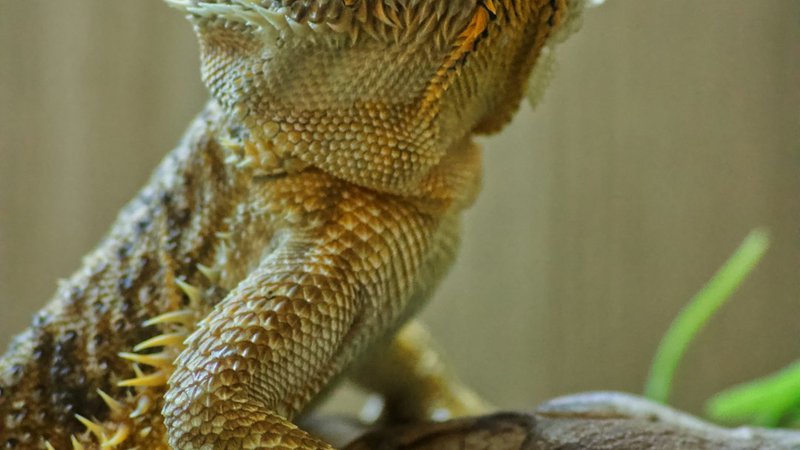
Bearded dragons are affectionate, social lizards that genuinely seem to enjoy human interaction. They eat a varied diet of insects and leafy greens, making feeding time engaging. Their calm demeanor makes them one of the most popular reptile pets for families.
- Key Detail: Requires a 40-gallon tank minimum with full-spectrum UVB lighting and basking temperatures around 100–110°F.
- Important Note: Juveniles need a higher protein diet; adults shift toward more plant-based meals.
3. Corn Snake
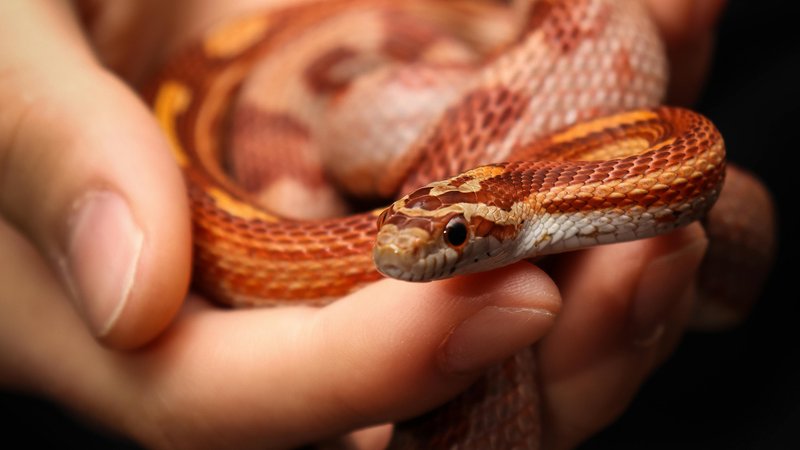
Corn snakes are the quintessential beginner snake. They are slender, manageable in size, and rarely bite when handled regularly from a young age. Their feeding needs are straightforward and surprisingly affordable.
- Key Detail: As noted by reptile care experts, setup and feeding costs are comparable to other small reptiles, and frozen pinky mice sell for roughly 30 cents each when bought in bulk.
- Important Note: Always feed pre-killed or frozen-thawed prey to prevent injury to your snake.
4. Crested Gecko

Crested geckos are charming, low-maintenance lizards that do exceptionally well in naturalistic enclosures. They can thrive on a commercially prepared meal replacement powder, which removes much of the complexity around feeding. Their sticky toe pads and expressive eyes make them endlessly fascinating to observe.
- Key Detail: Prefer temperatures between 68–78°F and do not tolerate heat above 82°F well.
- Important Note: Vertical enclosures with climbing branches mimic their natural arboreal habitat.
5. Blue-Tongue Skink

The blue-tongue skink is a sturdy, intelligent lizard with a personality that many owners describe as dog-like. They are omnivores, eating a wide range of vegetables, fruits, and proteins. Their distinctive blue tongue is used as a defense display in the wild but rarely appears in calm, well-socialized pets.
- Key Detail: Requires a 40–60 gallon enclosure with a basking spot of around 95–100°F.
- Important Note: Northern blue-tongue skinks are generally recommended over other subspecies for beginners due to their calmer temperament.
6. Green Anole

Green anoles are small, fast, and visually striking lizards that are ideal for keepers who prefer observing over handling. The males display vibrant pink dewlaps during courtship, which is a spectacular sight. They are one of the most affordable reptiles to acquire and house.
- Key Detail: Requires UVB lighting, high humidity around 60–70%, and live insect prey like small crickets.
- Important Note: Green anoles are fragile and stress easily, so they are better suited to experienced observers than hands-on handlers.
7. Milk Snake
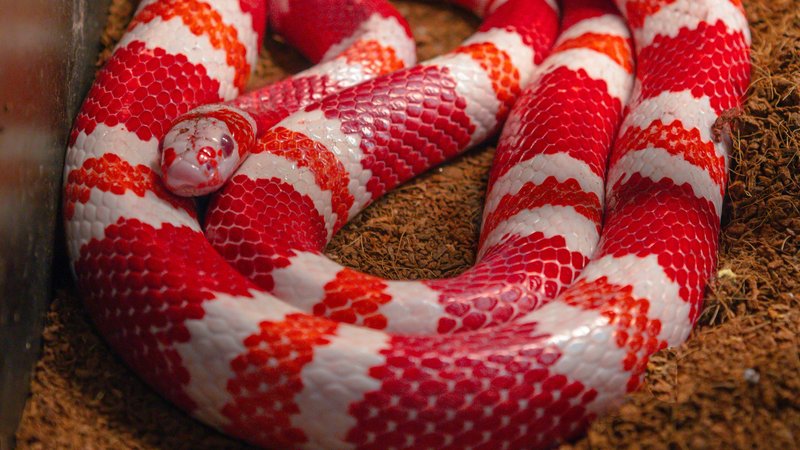
Milk snakes are strikingly beautiful, with bold red, black, and yellow banding that makes them one of the most visually impressive beginner reptiles. They are non-venomous, manageable in size, and adapt well to captivity. Their care requirements closely mirror those of corn snakes.
- Key Detail: Adults typically reach 3–4 feet and feed on appropriately sized frozen-thawed mice every 7–10 days.
- Important Note: Milk snakes can be more defensive as juveniles but generally calm down significantly with regular, gentle handling.
8. Uromastyx
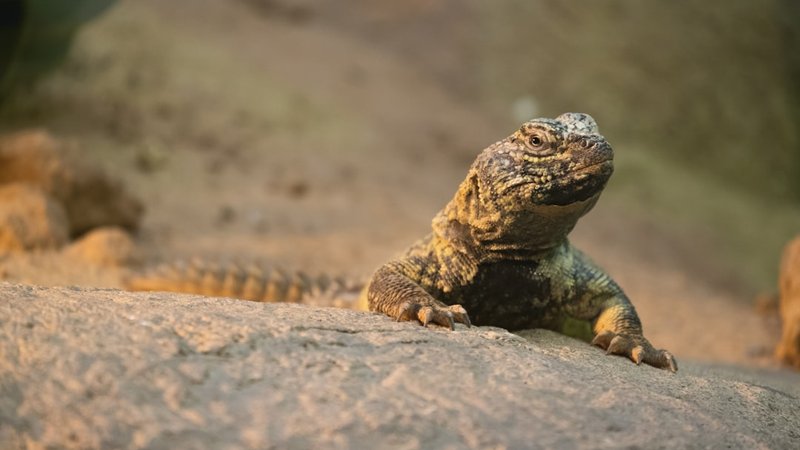
Uromastyx lizards are an underrated gem in the beginner reptile world. They are herbivores, meaning no live insect feeding is required, which many new keepers find appealing. Their spiky tails and vibrant coloration make them a visually stunning addition to any home.
- Key Detail: Requires extremely high basking temperatures of 120–130°F and a diet of seeds, leafy greens, and legumes.
- Important Note: They obtain most of their hydration from food, so a water dish is generally unnecessary if diet is varied.
9. Ball Python
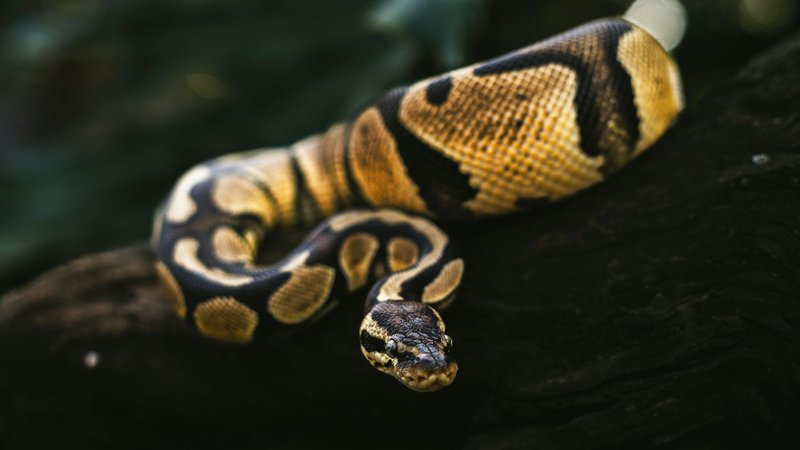
Ball pythons are the most popular pet snake in the world, and for good reason. They are calm, compact, and available in hundreds of color morphs. While they can occasionally be picky eaters, their overall care is straightforward and well-documented.
- Key Detail: Adults reach 3–5 feet and thrive in enclosures with ambient temperatures of 80°F and a basking spot of 88–92°F.
- Important Note: Ball pythons are escape artists; always use a secure, locking enclosure lid.
10. Russian Tortoise
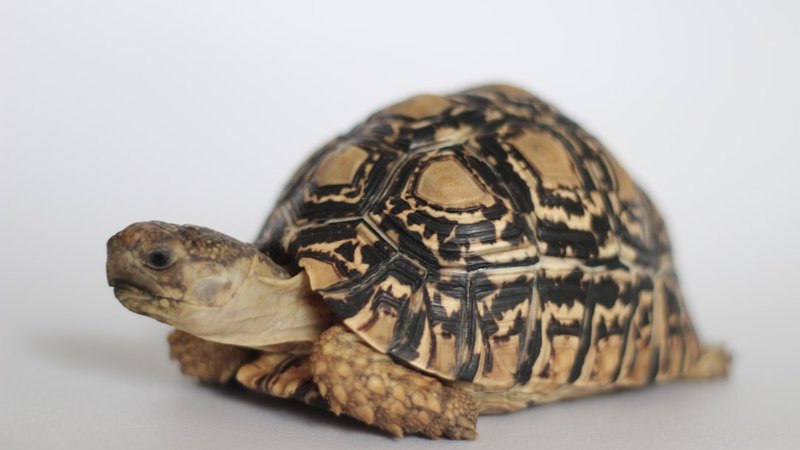
Russian tortoises are one of the few tortoise species genuinely suited to beginners. They are small, hardy, and highly personable. With proper care, they can live for several decades, making them a long-term companion rather than a short-term pet.
- Key Detail: Thrives on a diet of dark leafy greens, edible weeds, and occasional vegetables with UVB lighting provided daily.
- Important Note: Russian tortoises are active diggers and climbers; enclosure walls must be tall and secure to prevent escapes.
Cost Breakdown: Initial Setup and Ongoing Expenses for Beginner Reptiles
Understanding the true cost of reptile ownership before committing is essential. Initial setup costs vary widely depending on species, but most beginner reptiles require an enclosure, lighting, heating, substrate, hides, and a thermometer and hygrometer at minimum.
For smaller species like leopard geckos or corn snakes, starter kits typically range from $150 to $300. Larger species like bearded dragons or ball pythons may push initial costs closer to $400 or more when quality equipment is factored in.
Ongoing feeding costs are generally modest. As detailed by beginner reptile care guides, snake species that eat pinky mice are particularly economical, with frozen pinkies available in bulk for approximately 30 cents per mouse. Herbivorous species like uromastyx and Russian tortoises may cost even less to feed monthly.
Veterinary care is an often-overlooked ongoing expense. Reptiles benefit from periodic wellness checkups, particularly during their first year of ownership, to catch common issues like parasites, respiratory infections, or metabolic bone disease early.
Just as dogs benefit from structured wellness testing, reptiles thrive when owners stay proactive about health monitoring. If you share your home with multiple species or a mix of reptiles and mammals, understanding how different animals signal illness is a valuable skill that pays dividends over time.
If you are considering expanding your household to include both reptiles and dogs, understanding how independent certain dog breeds can be is worth exploring — 20 dog breeds that can be left alone all day is a useful reference for multi-pet households where supervision time is divided.
Reptiles rarely need daily interaction the way dogs do, which makes them a genuinely practical choice for busy owners. However, their environmental needs — precise temperatures, correct humidity, and appropriate lighting cycles — demand consistent attention and reliable equipment.
Budgeting around $20 to $50 per month for food, substrate replacement, and occasional supplies is a reasonable estimate for most beginner reptile species. Setting aside a small emergency fund for unexpected veterinary visits is equally wise, as exotic animal care can cost more than standard companion animal medicine.
Whether you choose a leopard gecko for its simplicity or a Russian tortoise for its longevity, every species on this list offers a rewarding entry point into the world of reptile keeping. The key is matching the animal’s needs to your lifestyle, space, and commitment level before bringing one home.