Can Dogs Eat Raisins? Safety Guide for Pet Owners
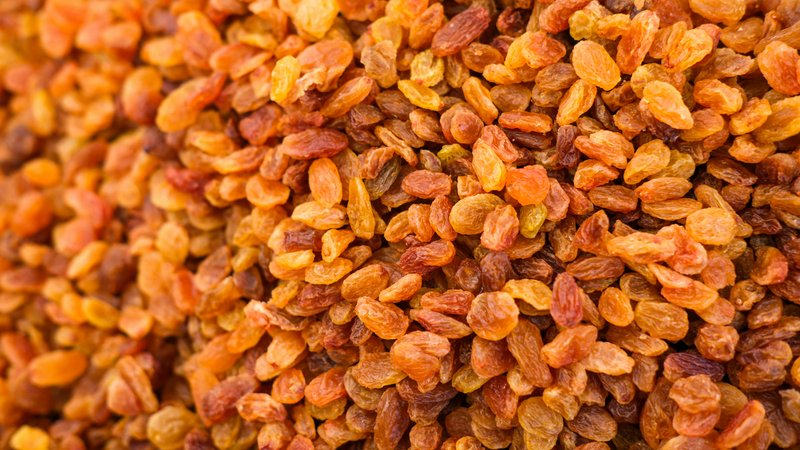
If you’ve ever dropped a raisin on the floor and watched your dog snatch it up, you may have felt a wave of panic — and rightly so. Raisins are one of the most dangerous foods a dog can consume, and even a tiny amount can trigger a life-threatening reaction.
The short answer is no — dogs should never eat raisins under any circumstances. This applies regardless of the dog’s size, breed, or overall health status.
Understanding Raisin Toxicity in Dogs
Despite years of veterinary research, the exact compound in raisins that causes toxicity in dogs has not been definitively identified. What is known is that the reaction can be severe, rapid, and potentially fatal.
According to the American Kennel Club, grape and raisin toxicity can even be fatal in pets, with serious kidney damage being the primary concern. This danger extends to all dried grape products, including sultanas and currants.
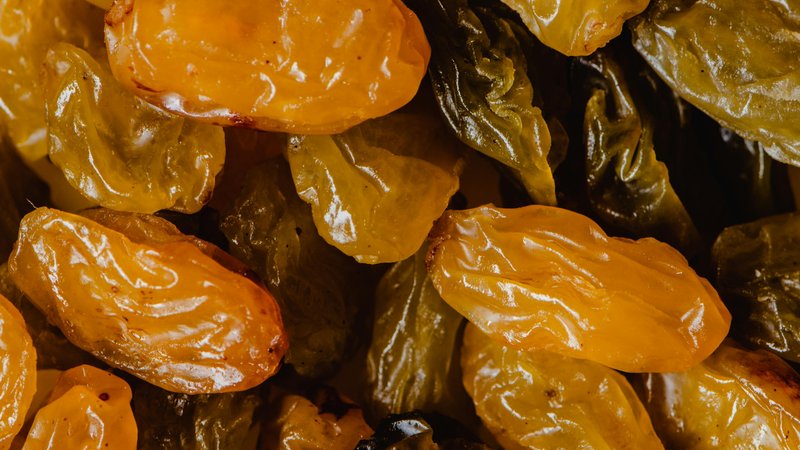
It is also worth noting that dried fruits often contain added preservatives. Sulfur dioxide, commonly found in sultanas and similar dried fruits, may further aggravate symptoms and cause additional digestive stress in dogs.
Symptoms and Timeline of Raisin Poisoning
Symptoms of raisin poisoning typically appear within six to twelve hours of ingestion. Early warning signs include vomiting, diarrhea, lethargy, and loss of appetite.
As the toxicity progresses, more serious symptoms emerge. These include abdominal pain, decreased urination, tremors, and signs of acute kidney failure. You can find a detailed breakdown of the urgent symptoms of raisin poisoning to help you recognize the signs early.
Why Some Dogs Are More Vulnerable Than Others
Not every dog reacts identically to raisin ingestion, but no dog is considered safe. Some dogs experience severe kidney failure after eating just a few raisins, while others may show milder symptoms after consuming more.
Breed and pre-existing health conditions play a significant role. Research published in Frontiers in Veterinary Science indicates that chronic kidney disease affects between 0.5% and 3% of the general dog population, and can reach up to 10% in hospitalized dogs — with certain breeds like Cocker Spaniels showing even higher susceptibility.
Dogs with existing kidney vulnerabilities face an even greater risk from raisin exposure. This is why veterinarians treat every raisin ingestion as a medical emergency, regardless of the amount consumed.
Immediate Steps to Take if Your Dog Ingests Raisins
Time is critical. If you suspect your dog has eaten raisins, contact your veterinarian or an emergency animal poison control line immediately — do not wait for symptoms to appear.
Your vet may induce vomiting if the ingestion was recent, typically within two hours. Activated charcoal and intravenous fluids are also commonly used to support kidney function and flush the toxin. Cornell University’s veterinary team provides thorough guidance on grape and raisin toxicity and recommended treatment protocols.
Hidden Sources of Raisins in Common Foods
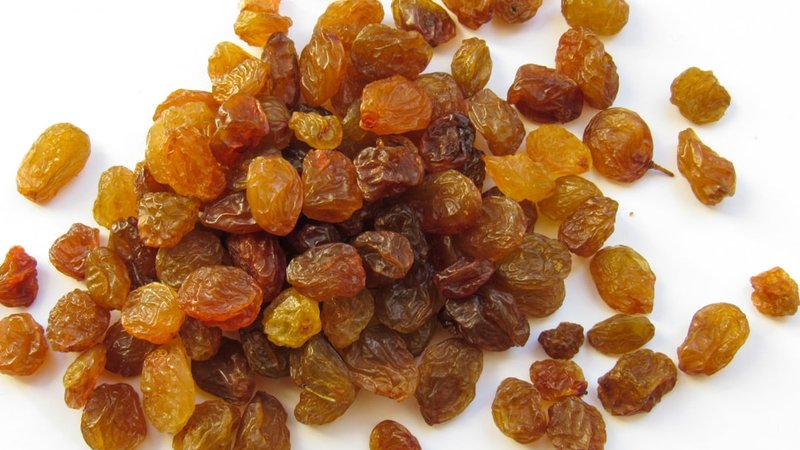
Raisins are not always obvious. They appear in many everyday foods including trail mix, granola bars, oatmeal cookies, bread, and certain cereals. Fruit cakes and hot cross buns are particularly high-risk items.
During holidays especially, the risk increases. Vets frequently warn about common Easter items toxic to dogs, many of which contain raisins or currants hidden inside baked goods and confections.
Safe Treat Alternatives for Your Dog
There are plenty of nutritious and dog-safe snacks you can offer instead. Blueberries, watermelon (seedless), carrots, and apple slices are all excellent options that dogs tend to enjoy.
If you want to add something truly beneficial to your dog’s diet, the benefits of chia seeds for dogs make them a worthwhile addition — they’re rich in omega-3 fatty acids and fiber with no toxic risk.
The bottom line is simple: keep raisins and all dried grape products completely out of your dog’s reach. When in doubt about any food, always consult your veterinarian before sharing it with your pet.