
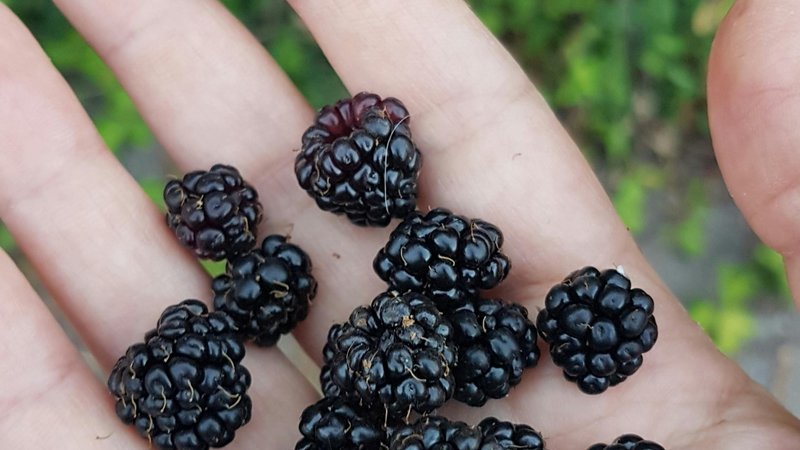
Can Dogs Eat Blackberries? Safety & Benefits
Blackberries are a sweet, juicy fruit that many dog owners enjoy during warmer months. It’s natural to wonder whether sharing a few with your dog is a good idea or a potential health risk.
The short answer is yes — blackberries are generally safe for dogs in moderation. But like any treat, there are important details every responsible pet owner should understand before offering them.
Safety Profile and Toxicity Concerns for Dogs
Blackberries are not toxic to dogs. They do not contain compounds like xylitol, theobromine, or grapes’ mysterious toxins that can cause serious harm to canines.
However, blackberries do contain small amounts of naturally occurring xylitol. The concentration found in whole fruit is extremely low and not considered dangerous at normal serving sizes, but it reinforces why moderation is essential.
Wild blackberries are also generally safe, but always wash any berries thoroughly before serving. Pesticide residue on store-bought fruit is a more realistic concern than the fruit itself.
Nutritional Benefits and Antioxidant Content
Blackberries are genuinely nutritious for dogs. They are rich in vitamin C, vitamin K, manganese, and dietary fiber — all of which support immune function, bone health, and digestion.
Their most impressive quality is their antioxidant content. Blackberries contain anthocyanins and polyphenols that help neutralize free radicals, potentially reducing cellular aging and inflammation in dogs.
If you enjoy adding superfoods to your dog’s diet, the nutritional advantages of chia seeds for dogs follow a similar principle — small, natural additions that deliver meaningful health support.
Proper Serving Sizes Based on Dog Weight and Age
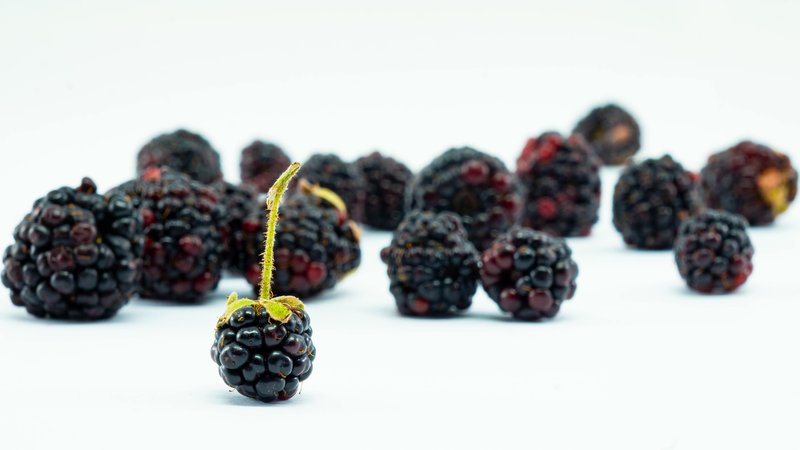
Serving size matters significantly. Treats of any kind should make up no more than 10% of your dog’s daily caloric intake, and blackberries are no exception.
Small dogs should only receive one to three blackberries at a time to avoid excess sugar intake. Medium to large breeds can typically handle up to five to ten blackberries depending on their size, but this should still be an occasional treat rather than a daily staple.
Puppies and senior dogs deserve extra caution. Their digestive systems are more sensitive, so starting with just one or two berries and monitoring their response is the safest approach.
Fresh Versus Frozen Blackberries: Preparation Methods
Both fresh and frozen blackberries are appropriate options for dogs. The preparation method you choose can actually affect the nutritional value your dog receives.
Frozen berries are harvested fully ripe and flash-frozen, locking in antioxidants and polyphenols with minimal nutrient loss. This makes frozen blackberries a nutritionally competitive — and convenient — choice year-round.
Always serve blackberries plain. Never offer blackberries in jams, desserts, or flavored products, as these contain added sugars, artificial sweeteners, and other ingredients that are harmful to dogs.
Potential Digestive Issues and Individual Sensitivities
Even safe foods can cause digestive upset in some dogs. Blackberries contain fiber and natural sugars that, in larger quantities, may lead to loose stools, gas, or stomach discomfort.
Introduce blackberries gradually, especially if your dog has never eaten them before. Offer one or two berries and observe for any signs of an adverse reaction over the following 24 hours.
Dogs with diabetes or weight management concerns should have their blackberry intake discussed with a veterinarian first. The natural sugar content, while low, is still relevant for dogs on restricted diets.
When to Consult Your Veterinarian
If your dog eats a large quantity of blackberries at once, monitor them closely for vomiting, diarrhea, lethargy, or signs of abdominal pain. These symptoms warrant a call to your vet.
Dogs with pre-existing gastrointestinal conditions, kidney disease, or food allergies should always have new foods approved by a veterinarian before introduction. What is harmless for most dogs may not suit every individual animal.
Your vet can also help you build a broader, balanced approach to treating your dog. Just as certain proteins like tuna in spring water can be a healthy addition in the right context, blackberries fit best as part of a thoughtfully managed diet.
Blackberries are a genuinely dog-friendly fruit when offered correctly. Keep portions small, preparation simple, and always pay attention to how your individual dog responds.