Brazilian Influencer Hit with Huge Fine for Sharing Video of Birds Being Fed on Boat Trip
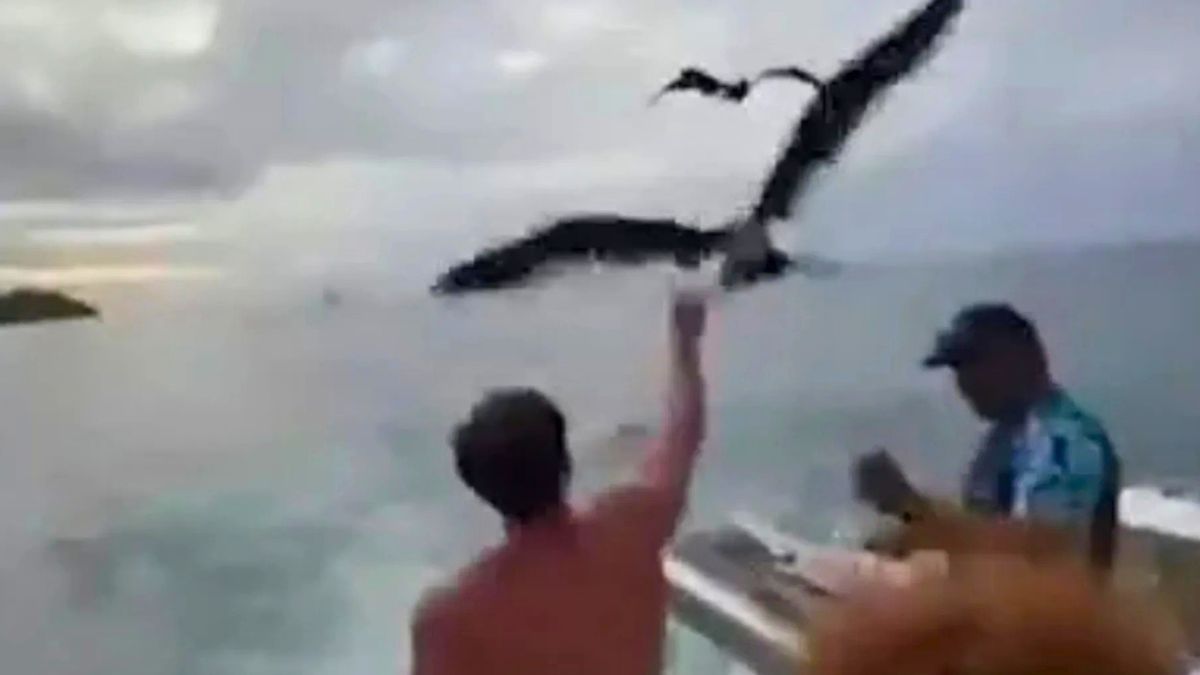
A popular Brazilian social media personality recently found himself facing a massive penalty after posting a simple video from a relaxing outing. Carlinhos Maia, who boasts more than 35 million followers on Instagram, joined friends for a boat excursion around the stunning Fernando de Noronha islands. During the trip, some of his companions tossed pieces of grilled beef to wild magnificent frigatebirds circling overhead, and he captured the moment on camera before sharing it online.
Authorities viewed the shared footage as promoting an environmental violation rather than a harmless fun activity. Officials explained that offering barbecue meat to these protected birds disrupts their natural feeding habits and can harm their health over time. The practice risks throwing off the delicate ecological balance in the area, which is known for its pristine wildlife and strict conservation rules. As a result, Maia received a notice demanding payment equivalent to about 150,000 pounds, a sum tied partly to his large online audience and the visibility the post gained.
Maia has pushed back strongly against the decision, pointing out that he never personally fed the birds himself. In his own words, he described the penalty as one of the biggest absurdities he has encountered in his life. He added that he would accept a reasonable fine without complaint but believes this amount goes far beyond fairness. The men who actually threw the meat received much smaller penalties, reportedly around 5,000 Brazilian reais each, which only heightened the sense of disproportion in his case.
The islands of Fernando de Noronha enforce tough protections to safeguard their unique environment, home to many species that thrive without human interference. Feeding wildlife with processed foods like grilled beef falls outside their natural diet and can encourage dependency or aggressive behavior among the birds. Environmental agencies there take such incidents seriously to prevent long-term damage to local ecosystems that draw tourists from around the world. Lilian Hangae, head of the relevant agency, confirmed that the violation stemmed directly from the act of feeding and the subsequent posting of the video on social media.
Legal representatives for the influencer are now preparing to contest the fine in court. They argue that comparable situations on the islands have typically resulted in much lower penalties, often in the neighborhood of 750 pounds. The case has sparked wider conversations about the responsibilities of content creators when sharing moments involving nature. Many wonder where the line sits between innocent sharing and unintentionally encouraging actions that could affect protected areas.
This situation serves as a clear reminder for anyone enjoying outdoor adventures, especially in sensitive locations. Even a quick video can carry unexpected legal weight if it shows interactions that stray from conservation guidelines. Travelers and influencers alike might think twice before capturing and posting every spontaneous wildlife encounter without checking local rules first.
What are your thoughts on this hefty fine for the influencer, and have you ever witnessed similar wildlife feeding during a trip. Share them in the comments.