
15 Easiest Exotic Pets to Own Legally
Thinking about adding an exotic animal to your household? You’re not alone. Millions of pet owners across the United States are choosing non-traditional pets over cats and dogs, drawn in by their unique personalities, manageable care requirements, and fascinating behaviors.
But “exotic” doesn’t have to mean complicated or illegal. Many species are widely permitted, relatively low-maintenance, and genuinely rewarding to keep. The key is doing your homework before you bring one home.
Before diving into the list, one critical point: non-traditional pet zoonotic risks are real. Many exotic animals can carry pathogens while appearing completely healthy, posing risks to owners, children, and immunocompromised individuals. Always consult a veterinarian experienced with exotic species before ownership.
Legal Requirements, Permits, and Zoonotic Disease Considerations Before Ownership
Laws governing exotic pet ownership vary dramatically by state, county, and even municipality. What’s perfectly legal in one state may carry heavy fines or criminal penalties in another. Always verify local regulations before purchasing any exotic animal.
Some states maintain detailed restricted animal lists. For example, Ohio’s dangerous wild animal regulations outline exactly which species require special permits or are outright prohibited. Checking your state’s agricultural department website is always a smart first step.
Liability is another serious consideration. If your exotic pet injures someone, you could face significant legal and financial consequences. Specialized coverage like exotic pet liability insurance can protect owners from accident-related claims, making it a worthwhile investment for any non-traditional pet keeper.
1. Bearded Dragons
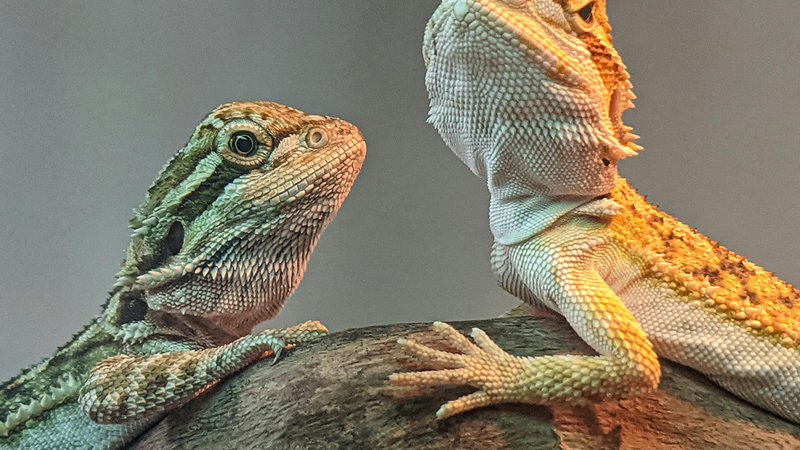
Bearded dragons are widely regarded as one of the most beginner-friendly reptiles available. They are docile, tolerate handling well, and thrive in a properly set up terrarium with UVB lighting and a basking spot.
- Key Detail: Legal in most U.S. states; require a diet of insects and leafy greens
- Important Note: Salmonella transmission is possible; always wash hands after handling
2. Corn Snakes
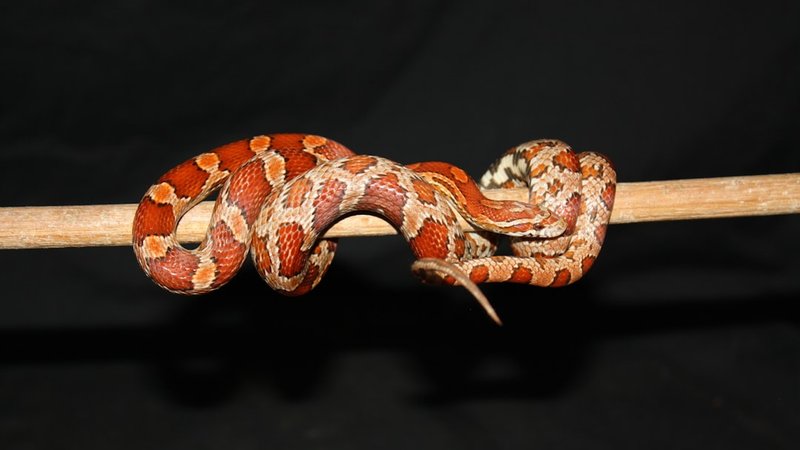
Corn snakes are non-venomous, slender, and remarkably easy to care for, making them a top recommendation for first-time reptile owners. They require a simple enclosure, a heat gradient, and weekly feeding of appropriately sized frozen-thawed mice.
- Key Detail: Legal in most states; lifespan of 15–20 years with proper care
- Important Note: Secure enclosures are essential as corn snakes are skilled escape artists
3. Leopard Geckos
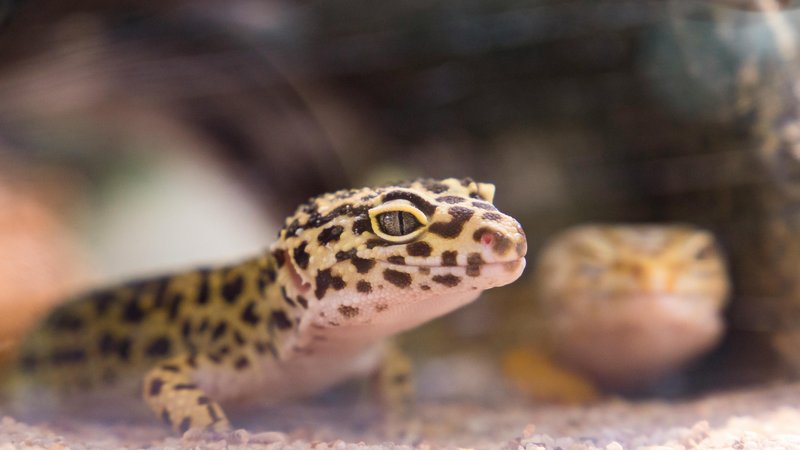
Leopard geckos are small, quiet, and don’t require UVB lighting the way many other reptiles do, which simplifies their setup considerably. They are insectivores that thrive on crickets and mealworms and rarely bite their owners.
- Key Detail: Nocturnal species; best observed during evening hours
- Important Note: Require a warm hide and a cool hide to thermoregulate properly
4. Ball Pythons
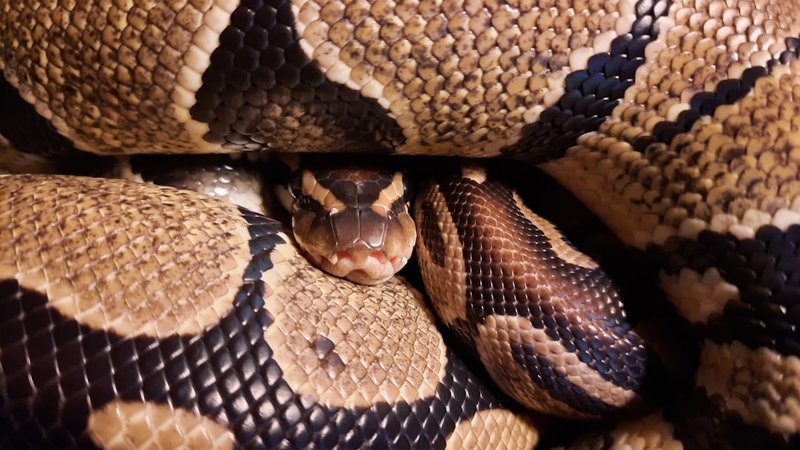
Ball pythons are gentle, slow-moving constrictors that curl into a ball when stressed — hence the name. They eat pre-killed or frozen-thawed rodents every one to two weeks and are generally very tolerant of calm handling.
- Key Detail: Some morphs may require a restricted snake possession permit depending on your state
- Important Note: Humidity levels between 60–80% are critical for healthy shedding
5. Crested Geckos
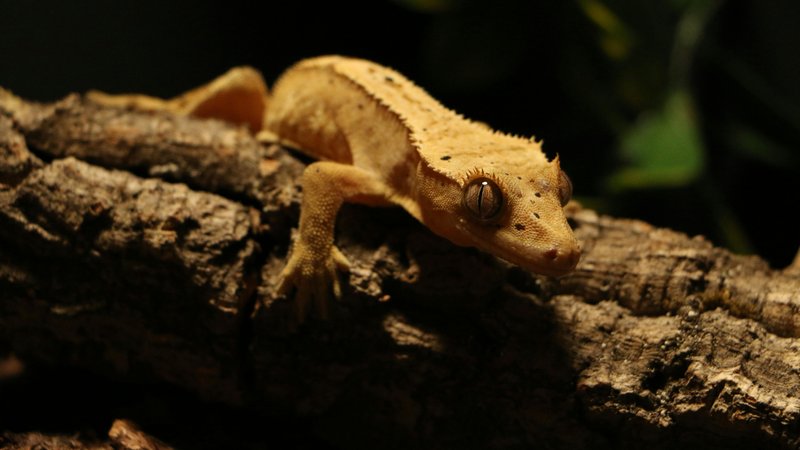
Crested geckos are arboreal, meaning they love to climb, and they thrive in tall, well-planted terrariums. They can be fed a commercially prepared crested gecko diet, making nutrition far simpler than with many other reptiles.
- Key Detail: Room temperature is usually sufficient; no basking lamp required
- Important Note: They can drop their tails when stressed, and unlike some lizards, they do not regrow them
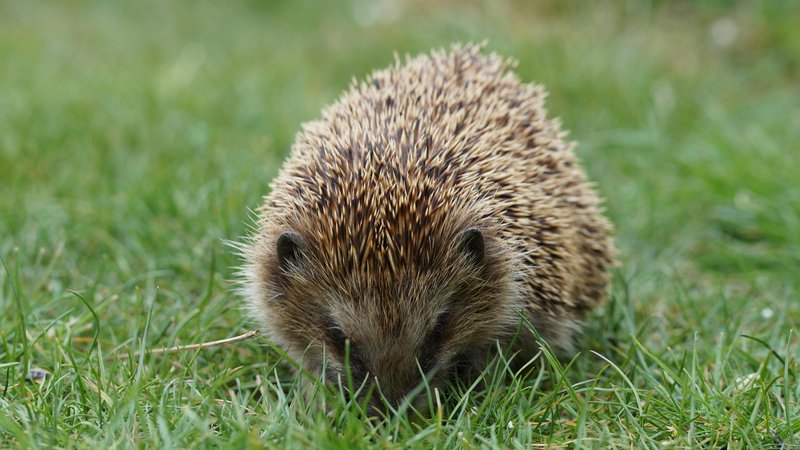
6. Hedgehogs
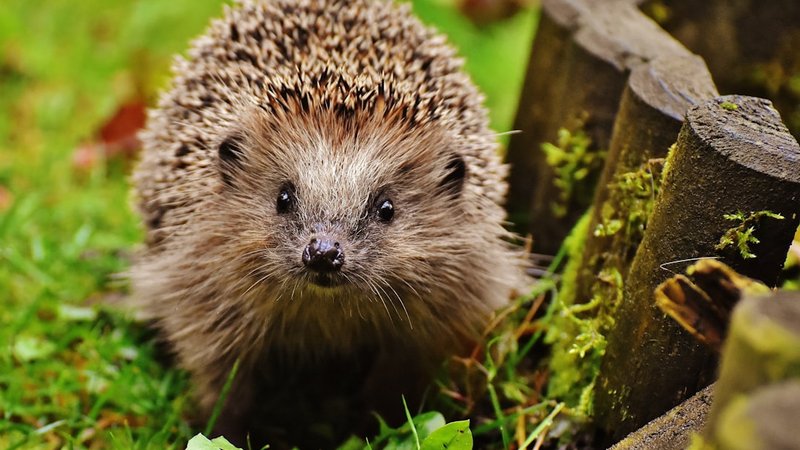
Hedgehogs are small, solitary, and surprisingly personable once they are comfortable with their owner. They are insectivores that also enjoy commercial hedgehog food, and their quills, while sharp, are not barbed or venomous.
- Key Detail: Illegal in several states including California, Georgia, Hawaii, and New York City
- Important Note: Prone to obesity; exercise wheels are an essential part of their enclosure
7. Chinchillas
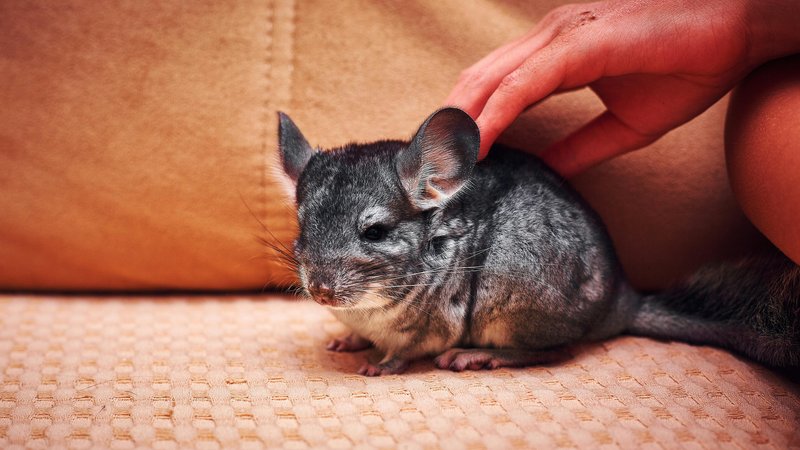
Chinchillas are incredibly soft, highly active, and can live up to 15 years, making them a long-term commitment. They require dust baths instead of water baths to maintain their dense fur and must be kept in cooler environments to avoid heat stroke.
- Key Detail: Legal across most of the U.S.; thrive best in pairs for social stimulation
- Important Note: Temperatures above 75°F can be dangerous; keep them in a cool, well-ventilated room
8. Guinea Pigs
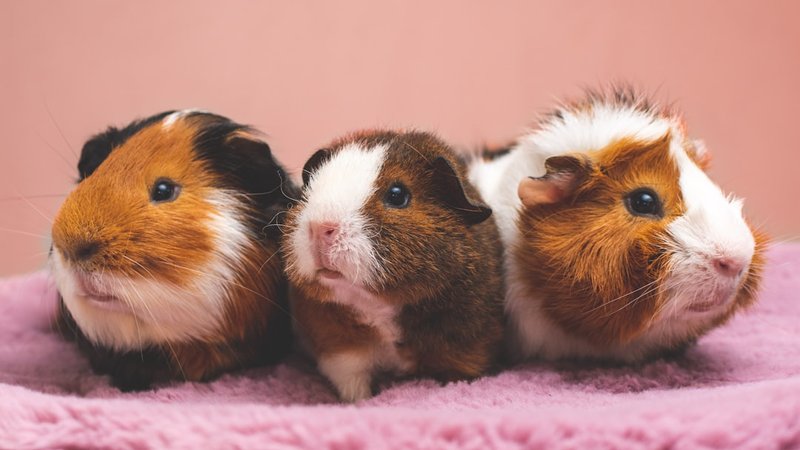
Guinea pigs are gentle, vocal, and highly social animals that bond readily with their owners. They are herbivores requiring fresh hay, vegetables, and vitamin C supplementation since, like humans, they cannot produce it naturally.
- Key Detail: Legal everywhere in the U.S.; best kept in same-sex pairs or groups
- Important Note: Lack of vitamin C leads to scurvy; fresh bell peppers are an excellent dietary source
9. Rats
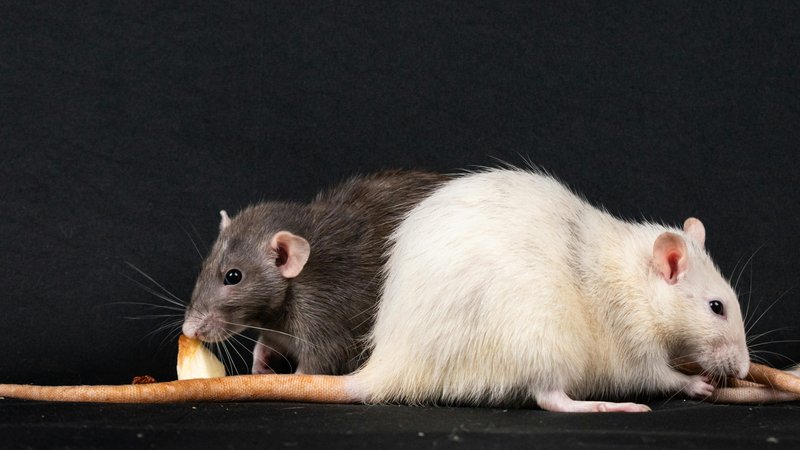
Domestic rats are among the most intelligent small mammals you can keep as pets, capable of learning their names, performing tricks, and forming strong bonds with their owners. They are social animals and do best when kept in same-sex pairs or small groups.
- Key Detail: Legal in all U.S. states; lifespan of 2–3 years on average
- Important Note: Zoonotic disease awareness is important; wash hands after handling and avoid contact if immunocompromised
10. Ferrets
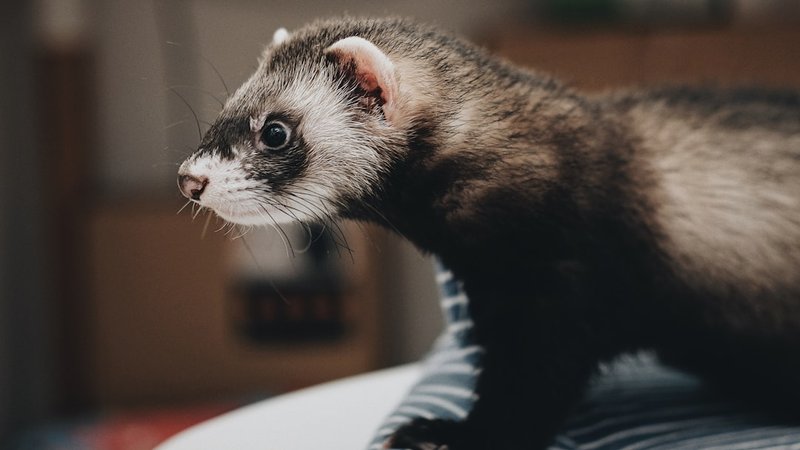
Ferrets are playful, mischievous, and endlessly entertaining, often described as permanently kitten-like in their energy and curiosity. They require a spacious cage, several hours of supervised out-of-cage time daily, and a high-protein diet.
- Key Detail: Illegal in California and Hawaii; require distemper and rabies vaccinations
- Important Note: Ferret-proofing your home is essential as they can squeeze into surprisingly small spaces
11. Tarantulas
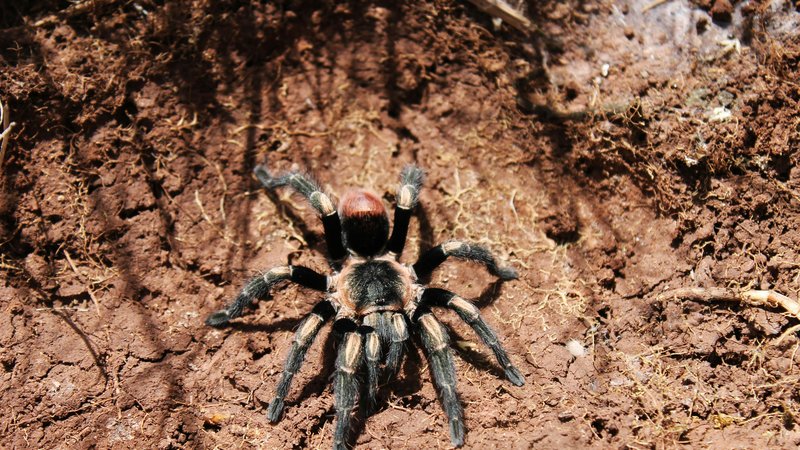
For owners who prefer a hands-off exotic pet, tarantulas are a fascinating option. Most beginner-friendly species like the Chilean rose hair or the curly hair tarantula are slow-moving, low-maintenance, and eat only once or twice per week.
- Key Detail: Legal in most U.S. states; require minimal space and simple enclosures
- Important Note: New World species flick urticating hairs as a defense; handle with care and avoid touching your face
12. Hermit Crabs

Hermit crabs are among the most accessible exotic pets, often found in beach souvenir shops, though they deserve far better care than they typically receive. With a proper setup including humidity, heat, and multiple shell options, they can live for decades.
- Key Detail: Legal everywhere in the U.S.; social animals that thrive in groups
- Important Note: Painted shells are harmful; always provide natural, unpainted shells in various sizes
13. Axolotls
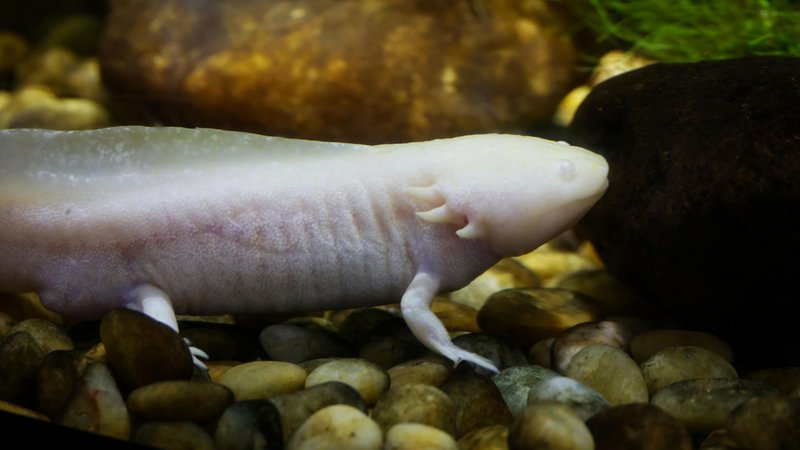
Axolotls are fully aquatic salamanders that retain their larval features throughout their entire lives, giving them an endearingly alien appearance. They are hardy, relatively easy to care for, and are captivating to observe in a well-maintained aquarium.
- Key Detail: Illegal in California, Maine, New Jersey, and Virginia; require cold, clean, well-filtered water
- Important Note: Water temperature must stay between 60–68°F; warmer temps cause stress and illness
14. Rabbits

Rabbits are gentle, quiet, and can be litter-trained, making them a surprisingly practical exotic pet for apartment dwellers. Much like the bond explored in stories of cats and their bunny companions, rabbits form genuine emotional connections with the people who care for them consistently.
- Key Detail: Legal everywhere in the U.S.; require unlimited timothy hay as their dietary staple
- Important Note: Rabbits are social; single rabbits need significant daily human interaction to stay mentally healthy
15. Budgies and Parakeets
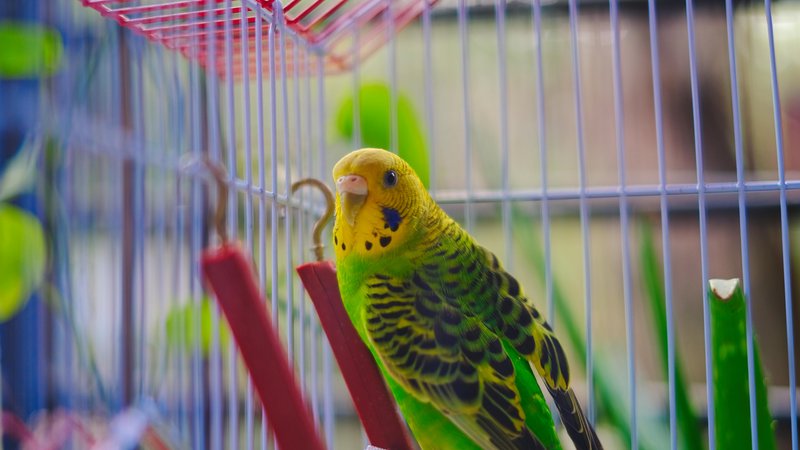
Budgies are among the most popular pet birds in the world for good reason — they are small, affordable, and capable of learning to mimic words and sounds. They thrive with daily interaction, a varied diet of seeds, pellets, and fresh vegetables, and plenty of mental stimulation.
- Key Detail: Legal in all U.S. states; lifespan of 7–15 years with proper care
- Important Note: Non-stick cookware fumes are toxic to birds; never use PTFE-coated pans near them
Responsible exotic pet ownership means understanding the full picture — from daily care demands and legal restrictions to health risks and long-term financial commitments. The welfare of animals in human care depends entirely on the knowledge and dedication of the people who keep them.
Before committing to any species on this list, research your local laws thoroughly, find an exotic-animal-savvy veterinarian in your area, and honestly assess your lifestyle. The right exotic pet, matched to the right owner, can be a deeply rewarding experience for both.