Subtle Signs Your Dog Is in Pain: “They Are Easy to Miss”
Dogs are masters at hiding how they really feel, and that instinct to mask discomfort can make it genuinely difficult for even the most attentive owners to realize something is wrong. According to Ross Hallifax from the pet insurance company Purely Pets, the symptoms of pain in dogs can fly completely under the radar if you are not sure what to look for. Pain can show up in both physical ways and behavioral shifts, and it can affect dogs of any age, breed, or size. Being aware of the warning signs is one of the most important things you can do as a pet owner.
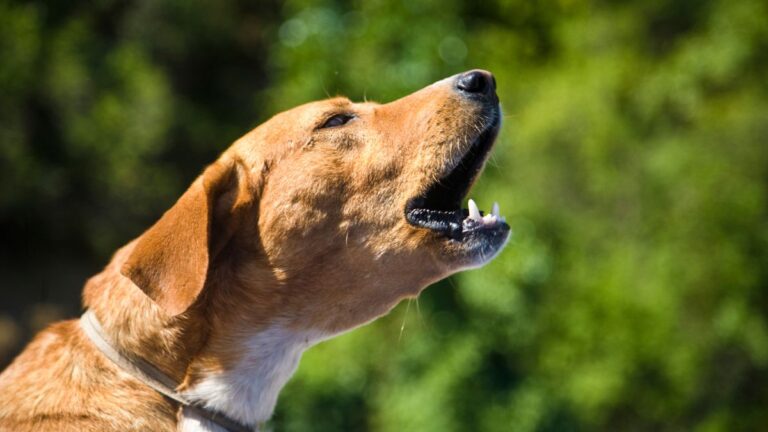
One of the more noticeable indicators is a change in how vocal your dog becomes. Some dogs will bark, whine, growl, or howl more than usual when something hurts, while others go completely quiet instead. This is what makes the situation tricky because there is no single rule about how a dog expresses discomfort. Paying attention to any shift away from your dog’s normal behavior is the key.
Mobility issues are another major red flag worth watching for. If your dog is limping, moving more slowly than usual, hesitating before lying down, or struggling to get back up, it could point to anything from arthritis to a tick-borne illness to a neurological problem. Lethargy that seems out of place is also worth noting. A dog that suddenly has no interest in walks or playtime may simply be hurting.
Behavioral changes can sometimes be the first clue something is off. A dog that was previously gentle and relaxed turning suddenly irritable or even snappy is not just having a bad day. Conditions like ear infections, digestive issues, or joint pain can cause personality shifts that look more like attitude problems than health ones. Withdrawal from social interaction or a preference for hiding away should also raise a flag.
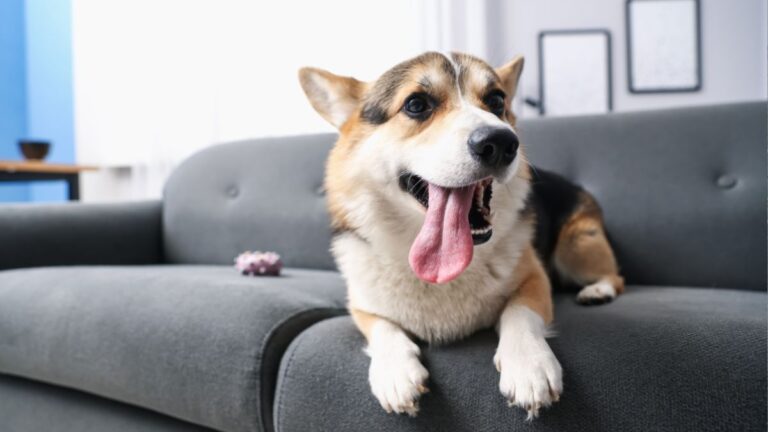
Breathing patterns are something many owners overlook entirely. While panting after exercise is completely normal, excessive panting with no obvious cause can signal pain, heat-related stress, respiratory trouble, or nausea. Shallow or labored breathing when a dog is just resting is another sign that warrants attention. Changes in posture, like a hunched back, lowered head, or a stiff and guarded stance, can also reveal that a dog is protecting a painful area of its body. Trembling or shaking that is not related to cold or excitement may point to serious conditions including pancreatitis or kidney disease.
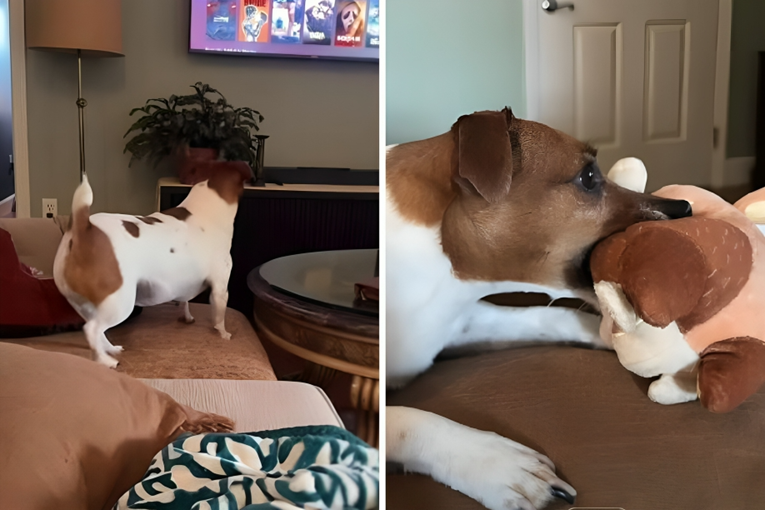
Compulsive licking is another behavior that often goes unnoticed as a pain signal. It makes sense when a dog licks a visible wound, but persistent licking of a specific area with no obvious injury can indicate localized pain or even internal discomfort. Changes in eating, drinking, or sleeping habits round out the list of things to monitor. A reduced appetite might mean your dog is dealing with a toothache or a stomach problem, and any noticeable shift in routine is worth discussing with your vet.
If you spot any of these signs, the right move is to contact a veterinarian as soon as possible rather than waiting to see if things improve on their own. Attempting home treatments can be dangerous, especially with common human medications. Ibuprofen and naproxen, for instance, are highly toxic to dogs and even a single 200-milligram tablet of ibuprofen can be harmful to a small dog or a cat. As Hallifax puts it, you are your dog’s voice and their health advocate, and catching these signs early can make a real difference in how quickly they recover. Keeping a simple record of any behavioral or physical changes you notice will also help your vet make a faster and more accurate diagnosis.
If your dog is already being treated, do not hesitate to follow up with your vet if the symptoms persist or worsen. Managing your dog’s weight matters too, since extra pounds put additional strain on joints and can intensify pain tied to conditions like arthritis. Small adjustments at home, like placing food and water bowls in easy-to-reach spots, adding soft bedding, covering slippery floors with rugs, and using ramps near furniture or vehicles, can go a long way in keeping a dog comfortable while they heal.
If you have ever noticed any of these subtle signs in your own dog, share your experience in the comments.