

Can Dogs Eat Beef Liver? Safety & Benefits
Beef liver is one of the most nutrient-dense foods you can offer your dog. It’s packed with vitamins, minerals, and protein that support nearly every system in a dog’s body.
But like any powerful food, it comes with important rules. Understanding how much to give, how to prepare it, and which dogs should avoid it can make all the difference.
Nutritional Profile and Health Benefits of Beef Liver for Dogs
Beef liver is extraordinarily rich in vitamin A, vitamin B12, iron, zinc, copper, and choline. These nutrients support vision, immune function, red blood cell production, and healthy brain development.
Compared to other organ options, beef liver stands out significantly. According to organ meat nutrition research, chicken liver contains considerably less vitamin A, vitamin B12, vitamin D, choline, copper, and zinc than beef liver or lamb liver.
This makes beef liver one of the most complete single-ingredient supplements you can add to a dog’s diet. Even small amounts deliver a meaningful nutritional boost.
If you’re exploring other organ-based options alongside beef liver, lamb liver for dogs is another excellent high-nutrient choice worth considering.
Safety Considerations and Vitamin A Toxicity Risks
Beef liver’s greatest strength is also its biggest risk. It contains very high levels of vitamin A, which is fat-soluble and accumulates in the body over time.
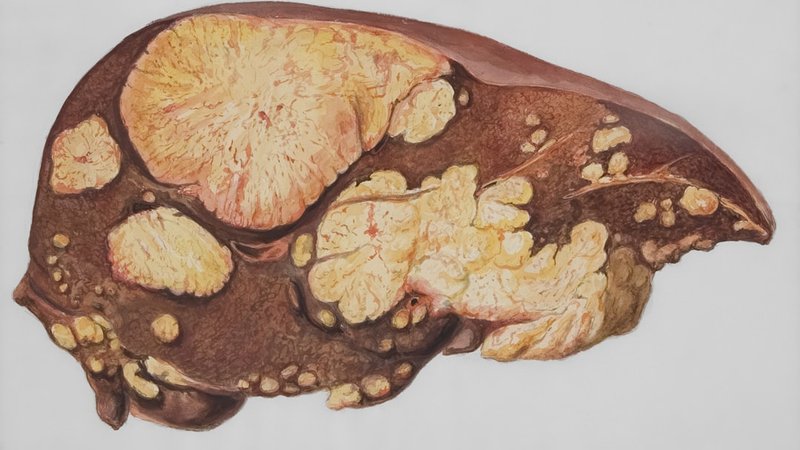
Feeding too much liver too frequently can lead to hypervitaminosis A, a condition causing bone deformities, joint pain, and in severe cases, organ damage. This is not a theoretical risk — it has been documented in dogs fed liver as a dietary staple.
Moderation is the key principle here. Liver should be treated as a supplement to a balanced diet, not a primary protein source.
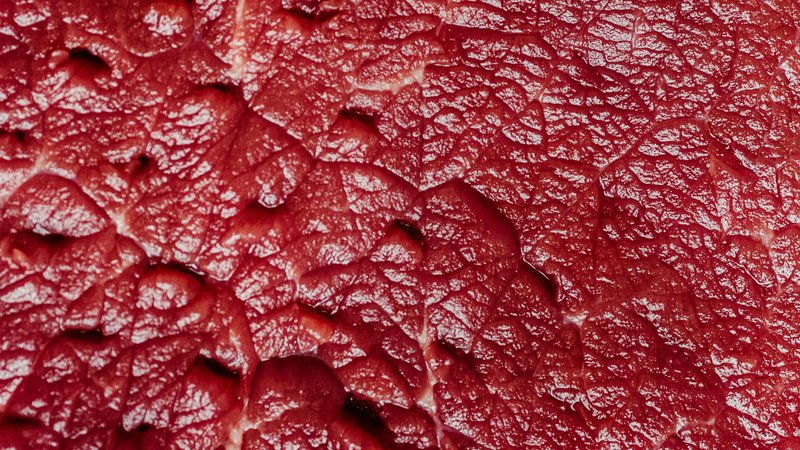
Raw Versus Cooked Beef Liver: Pathogen Risks and Preparation Methods
Many raw feeding advocates prefer to serve beef liver raw to preserve its full enzyme and nutrient content. However, raw organ meat does carry genuine bacterial risks.
Research published in peer-reviewed literature confirms that raw meat consumption and cross-contamination from ready-to-eat products are established pathways for Salmonella infection in both animals and humans.
Lightly cooking beef liver — steaming or pan-searing without seasoning — significantly reduces pathogen risk while retaining most of its nutritional value. Avoid adding garlic, onions, salt, or butter, all of which are harmful to dogs.
For owners building a broader raw or home-cooked diet, resources on homemade raw dog food for large breeds can help structure balanced meal plans that include organ meats safely.
Breed-Specific Concerns and Copper Sensitivity in Dogs
Beef liver is high in copper, which is an essential mineral — but certain dog breeds are genetically predisposed to copper storage disorders. Bedlington Terriers, Labrador Retrievers, and Dalmatians are among the most well-known affected breeds.
According to veterinary hepatology specialists, copper-associated hepatopathies involve compromised biliary copper excretion, which can allow toxic accumulation even at moderate dietary copper levels.
For these breeds, beef liver should only be introduced under direct veterinary guidance. Regular liver panels can help monitor copper levels if organ meats are part of the regular diet.
Appropriate Serving Sizes and Introduction Guidelines
A general guideline is that liver should make up no more than 5% of a dog’s total weekly diet. For a medium-sized dog weighing around 30 pounds, that translates to roughly one ounce of beef liver two to three times per week.
When introducing beef liver for the first time, start with a very small amount — a teaspoon or less — and monitor for digestive upset. Loose stools are common when organ meats are introduced too quickly.
Gradually increase the amount over one to two weeks as your dog’s digestive system adjusts.
Beef Liver for Different Life Stages and Health Conditions
Puppies benefit greatly from the B12, iron, and protein in beef liver, supporting rapid growth and neurological development. However, their smaller body size means portions must be scaled down significantly.
Senior dogs with healthy livers can also benefit, particularly if they struggle with energy or show signs of nutritional deficiency. Dogs with existing liver disease, however, should avoid high-copper organ meats entirely.
Pregnant or nursing dogs have elevated nutritional demands, and beef liver’s dense micronutrient profile can be a valuable addition — always with veterinary oversight to prevent vitamin A excess.
Beef liver is genuinely one of nature’s most complete foods for dogs when served correctly. Respect the serving limits, prepare it safely, and factor in your dog’s individual health profile to make it a smart, lasting part of their diet.