Understanding Why Your Dog Yawns While Receiving Affection
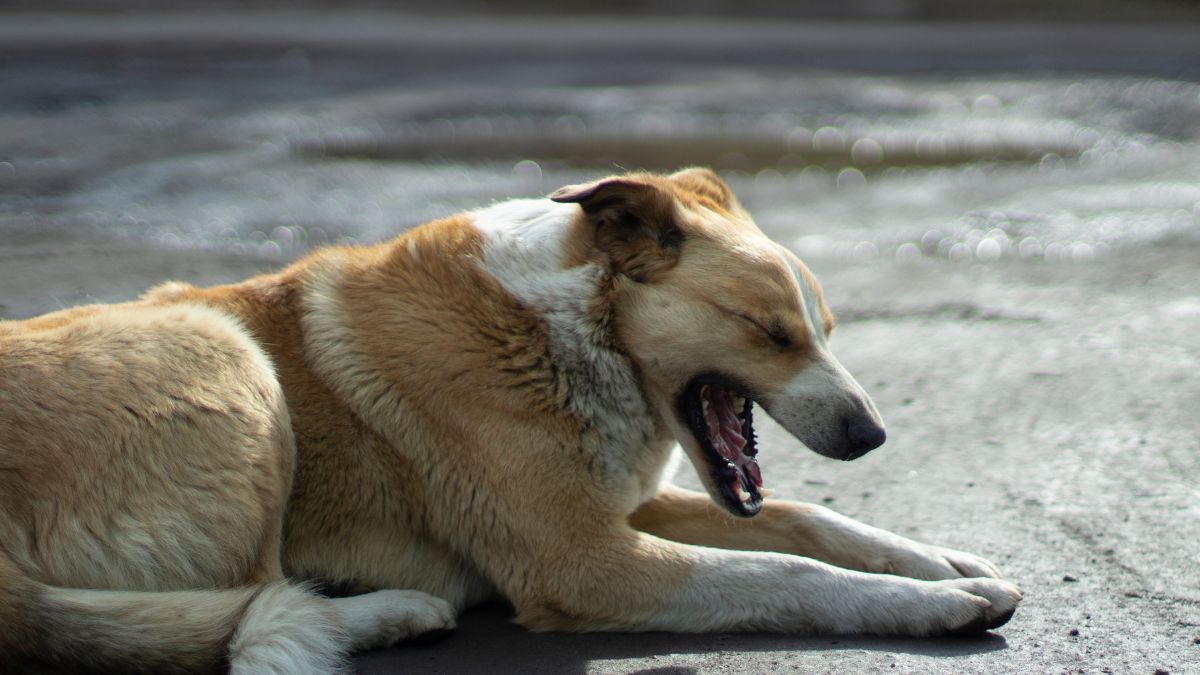
Most pet owners assume that a yawn is a universal sign of tiredness or boredom. When it happens while you are petting your dog, however, the meaning is usually much more nuanced than a simple desire for a nap.
Canine behaviorists emphasize that dogs communicate primarily through body language rather than vocalization. A single gesture like a yawn can have multiple meanings depending on the specific context of the interaction.
One of the most common reasons a dog yawns during physical contact is to signal a level of stress or discomfort. This is known as a displacement behavior, which helps the animal cope with conflicting emotions or social pressure.
You might be surprised to learn that even a beloved owner’s touch can sometimes be overwhelming. If the petting is too intense or occurs in a sensitive area, the dog may use a yawn to release built-up tension.
This behavior is also classified as a calming signal within the animal kingdom. Dogs use these signals to communicate peaceful intentions to humans and other animals alike.
By yawning, your pet may be trying to tell you that they need a little more space or a slower pace. It is their way of asking for a temporary pause in the activity without resorting to more aggressive signals.
Context is the most important tool you have for interpreting these signs correctly. You should observe the rest of the dog’s body to see if they are showing other signs of unease.
A stressed dog will often have stiff muscles and may show the whites of their eyes, a phenomenon known as whale eye. If these signs accompany the yawn, it is a clear indication that the dog is not fully enjoying the moment.
Conversely, if the dog’s body is loose and they lean into your hand after yawning, the meaning changes completely. In some cases, a yawn can simply be a sign of high anticipation or excitement.
Some dogs yawn when they are very happy and waiting for something good to happen, like a treat or a walk. This helps them regulate their internal energy levels so they do not become overstimulated.
Understanding these subtle shifts in mood is essential for maintaining a healthy and respectful relationship with your pet. It allows you to become a more sensitive caregiver who respects the animal’s boundaries.
Many experts suggest practicing the five-second rule when petting a dog that seems uncertain. Stop touching them for five seconds and see if they nudge your hand to ask for more.
If the dog moves away or remains still after you stop, they have likely had enough for the time being. Respecting this choice builds trust and ensures that the dog feels safe in your presence.
Learning to read your dog’s yawns will eventually become second nature with enough practice. It transforms a simple physical interaction into a meaningful form of two-way communication.
Always remember that every dog is an individual with unique preferences and personality traits. What one dog finds relaxing, another might find slightly stressful or annoying.
By paying close attention to these small details, you can ensure that your petting sessions are always a positive experience. Your dog will appreciate the extra effort you take to understand their silent language.
Please tell us about the unusual habits your dog has during cuddle time in the comments.