
9 Best Fish for Dogs to Eat: Safe Options and Health Benefits
Finding the best fish for dogs doesn’t have to be complicated, but it does require knowing which species are safe, nutritious, and appropriate for your dog’s size and health needs. Fish is a fantastic source of lean protein, omega-3 fatty acids, and essential vitamins that support everything from a shiny coat to healthy joints. When chosen and prepared correctly, it can be one of the most beneficial additions to your dog’s diet.
Not all fish are created equal when it comes to canine nutrition. Some are packed with beneficial fats and easy to digest, while others carry higher mercury levels that make them less suitable for regular feeding. This guide covers nine of the safest and most nutritious options, along with everything you need to know to feed fish confidently. If you’re already feeding a raw diet, be sure to check out this complete guide for more detailed advice.
1. Salmon: Omega-3 Rich Protein Powerhouse

Salmon is one of the most nutrient-dense fish you can offer your dog, loaded with omega-3 fatty acids that support skin, coat, and brain health. It should always be cooked thoroughly, as raw salmon can carry a parasite that causes salmon poisoning disease in dogs.
- Key Specs: High in omega-3s, protein-rich, low in saturated fat
- Pros: Excellent for coat health, widely available, palatable for most dogs
- Cons: Must be fully cooked; raw or undercooked salmon is dangerous
2. Sardines: Affordable and Nutrient-Dense Choice

Sardines are small, soft-boned fish that deliver a powerful nutritional punch at a budget-friendly price. Their soft bones are safe to consume and provide an added source of calcium. If you’re curious about specific preparation options, this safe guide on sardines is worth reading.
- Key Specs: Rich in omega-3s, calcium, and vitamin D; low mercury
- Pros: Affordable, bones are soft and digestible, great for small dogs
- Cons: Canned versions can be high in sodium; always choose water-packed with no added salt
3. Cod: Mild Whitefish for Sensitive Stomachs

Cod is a lean whitefish with a mild flavor that makes it ideal for dogs with sensitive digestive systems or food sensitivities. It’s lower in fat than oily fish, which can also make it a good option for dogs prone to weight gain.
- Key Specs: Low fat, high protein, mild taste, low mercury
- Pros: Gentle on the stomach, easy to source, versatile preparation options
- Cons: Lower in omega-3s compared to oily fish like salmon or mackerel
4. Mackerel: High in Omega-3 Fatty Acids
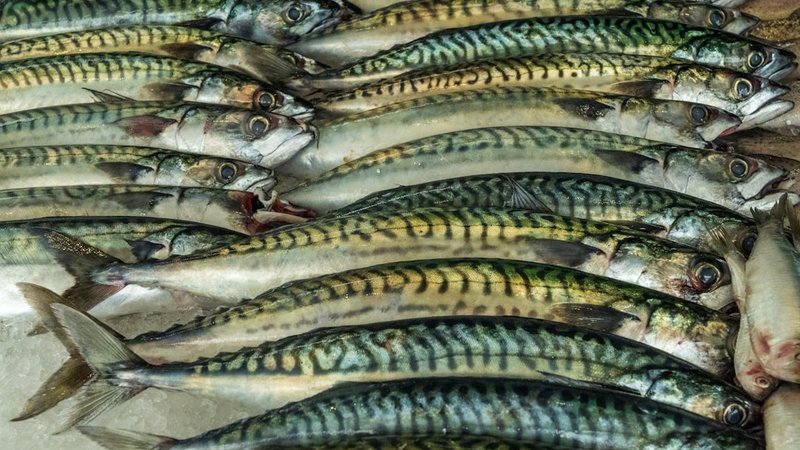
Mackerel is an oily fish that rivals salmon in its omega-3 content, supporting heart health, reducing inflammation, and promoting a glossy coat. Atlantic mackerel is the preferred variety, as king mackerel contains higher mercury levels.
- Key Specs: Very high in omega-3s, rich in B vitamins and selenium
- Pros: Excellent anti-inflammatory benefits, strong nutritional profile
- Cons: King mackerel should be avoided due to high mercury content
5. Herring: Sustainable and Protein-Packed
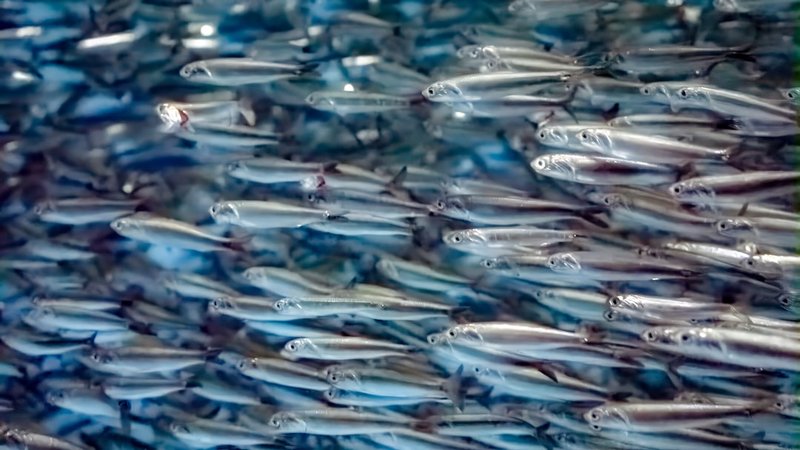
Herring is an underrated option that’s both sustainable and highly nutritious for dogs. It’s packed with protein and healthy fats while remaining low on the mercury scale, making it safe for regular feeding.
- Key Specs: High in omega-3s, protein, and vitamin D; very low mercury
- Pros: Environmentally sustainable, nutrient-dense, good for immune support
- Cons: Less commonly available fresh; pickled or smoked versions are not suitable for dogs
6. Pollock: Low-Mercury Whitefish Alternative
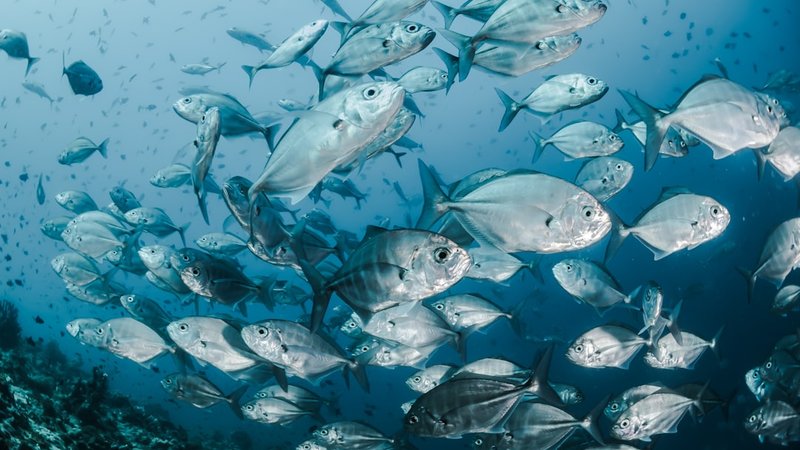
Pollock is a widely used whitefish that appears in many commercial dog foods for good reason. It’s low in mercury, easy to digest, and provides a solid source of lean protein without the higher fat content of oily fish.
- Key Specs: Lean protein, low mercury, mild flavor
- Pros: Budget-friendly, frequently found in commercial dog food, digestive-friendly
- Cons: Lower in omega-3s than oily fish varieties
7. Anchovies: Small Fish with Big Nutritional Value
Anchovies are tiny but tremendously nutritious, offering high levels of omega-3 fatty acids, calcium, and iron in a small serving. Because they sit low on the food chain, they accumulate very little mercury, making them one of the safest fish choices available. Fish oil benefits for dogs are well-documented, and anchovies are a whole-food way to deliver similar advantages.
- Key Specs: Very low mercury, high omega-3s, rich in calcium and iron
- Pros: Safe for frequent feeding, small size is easy to serve, highly nutritious
- Cons: Canned anchovies are often packed in salt or oil; always choose unsalted, water-packed versions
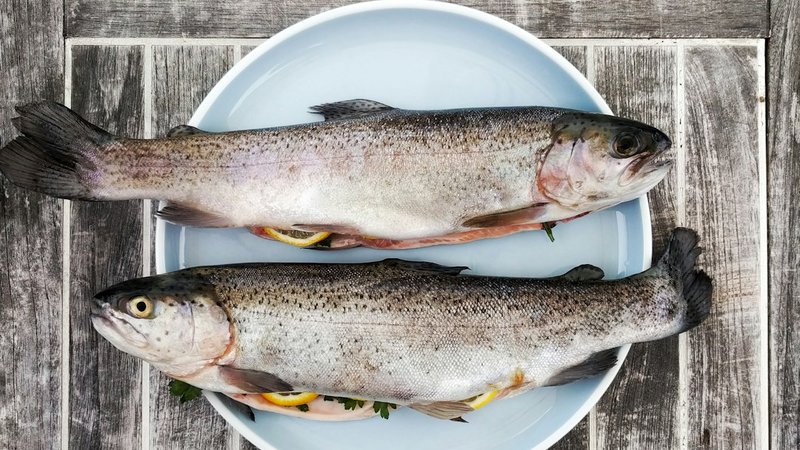
8. Trout: Freshwater Fish with Joint Support Benefits

Trout is a freshwater fish that provides a good balance of protein and omega-3 fatty acids, which can help support joint health in aging or active dogs. Farm-raised trout is generally considered safer than wild-caught varieties, which may carry certain parasites.
- Key Specs: Moderate omega-3 content, high protein, low mercury
- Pros: Supports joint health, good for senior dogs, mild flavor dogs enjoy
- Cons: Wild-caught trout should be cooked to eliminate potential parasites
9. Flounder: Gentle Protein for Digestive Health
Flounder is an exceptionally lean, mild-tasting flatfish that’s easy on the digestive system. Its low fat content and gentle flavor make it a smart choice for dogs recovering from illness or those with chronic digestive sensitivities.
- Key Specs: Very low fat, lean protein, mild flavor, low mercury
- Pros: Ideal for sensitive stomachs, easy to digest, widely available
- Cons: Lower in omega-3s; best used alongside a more omega-rich protein source
Nutritional Benefits of Fish for Dogs
Fish delivers a range of nutrients that are difficult to match with other protein sources. Omega-3 fatty acids, in particular, support skin health, reduce inflammation, and contribute to cognitive function.
Beyond healthy fats, fish provides high-quality protein, B vitamins, and minerals like selenium and iodine. These nutrients work together to support immune function, thyroid health, and muscle maintenance.
Safe Preparation and Portion Guidelines
Always cook fish thoroughly before serving it to your dog. Remove all bones, avoid seasonings, and never use oil, butter, or sauces that could upset your dog’s stomach.
Feeding frequency matters too. Generally, dogs do best when fed twice a day, and fish portions should be factored into their total daily caloric intake based on their size, age, and activity level.
Mercury Content and Cost Considerations
Stick to smaller, shorter-lived fish species to minimize mercury exposure. Sardines, anchovies, herring, and pollock are all excellent low-mercury choices for regular rotation.
Cost is also a practical factor for many pet owners. As noted by market analysts, price comparisons between similar fish like cod and haddock can help you find the most budget-friendly option without sacrificing nutritional value.
Introducing Fish and Watching for Sensitivities
When adding fish to your dog’s diet for the first time, start with a small amount and monitor for any signs of digestive upset or allergic reaction. Symptoms like itching, vomiting, or loose stools warrant a pause and a conversation with your vet.
If your dog already shows signs of food sensitivities, you may also want to explore other protein options. Homemade venison dog food is one alternative that works well for dogs with common protein allergies. And if you’re wondering about other seafood options, this guide on squid covers what’s safe and what to avoid.
Fish is one of the most wholesome proteins you can add to your dog’s bowl, and with so many safe, affordable species to choose from, there’s no reason to limit yourself to just one. Rotate between a few of the options on this list to keep meals interesting and ensure your dog benefits from a broad spectrum of nutrients. When prepared correctly and served in appropriate portions, fish can be a genuinely transformative addition to your dog’s long-term health.