Can Dogs Eat Dragonfruit? Safety Guide
Dragonfruit is one of the most visually striking fruits on the planet, and it’s showing up in more and more kitchens. If your dog has ever sniffed curiously at your plate, you’ve probably wondered whether it’s safe to share a piece.
The short answer is yes — dogs can eat dragonfruit in moderation. However, there are important details every dog owner should know before offering this exotic treat.
Nutritional Profile and Health Benefits for Dogs
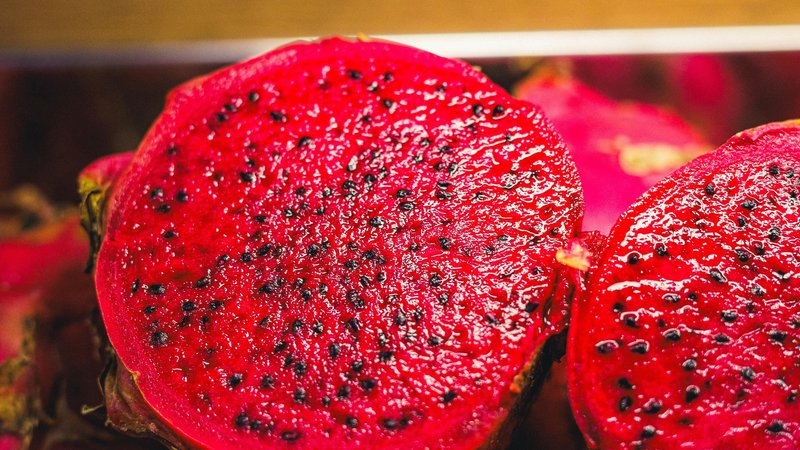
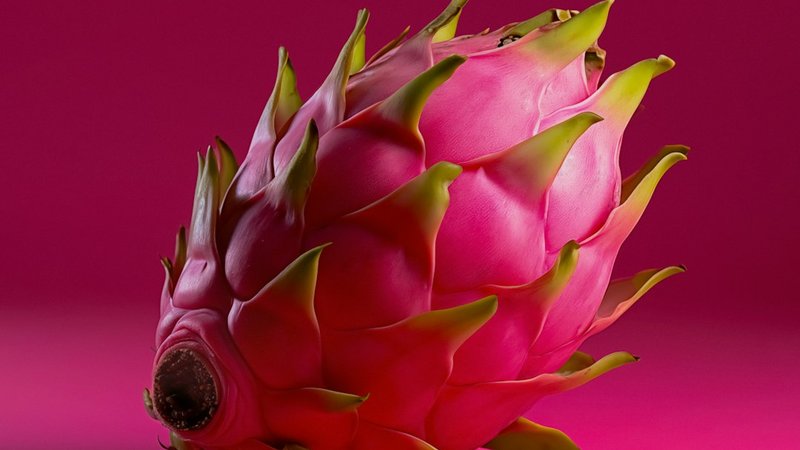
Dragonfruit, also known as pitaya, is a low-calorie fruit packed with beneficial nutrients. It contains vitamin C, vitamin B, iron, magnesium, and a notable amount of dietary fiber.
According to Healthline’s dragon fruit overview, the fruit also delivers antioxidants including betalains, hydroxycinnamates, and flavonoids. These compounds help combat oxidative stress, which can benefit your dog’s cellular health over time.
The natural fiber content supports healthy digestion, while the high water content helps with hydration. For dogs who don’t always drink enough water, moisture-rich fruits like dragonfruit can be a helpful supplement.
Safe Preparation and Serving Methods
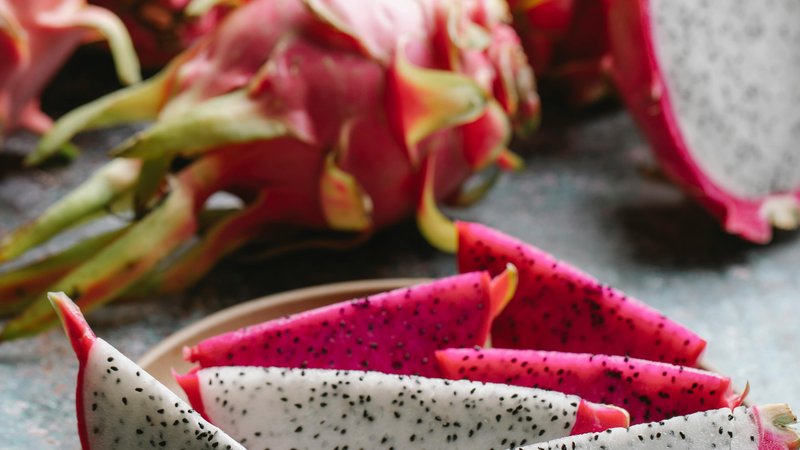
Preparation matters just as much as the fruit itself. Always remove the outer skin before offering dragonfruit to your dog — the tough, leathery exterior is difficult to digest and could pose a choking hazard.
The inner flesh is the only part you should serve. Cut it into small, bite-sized cubes appropriate for your dog’s size. Smaller breeds need smaller pieces to prevent choking.
Serve it fresh and plain — never in flavored yogurt parfaits, smoothies with added sweeteners, or canned fruit cocktails. Additives and artificial sweeteners like xylitol are toxic to dogs.
Potential Risks and Allergic Reactions
While dragonfruit is generally safe, it does contain natural sugars. Too much sugar in a dog’s diet can contribute to weight gain, dental issues, and blood sugar imbalances over time.
Some dogs may experience digestive upset after eating dragonfruit for the first time. Loose stools, gas, or mild stomach discomfort are possible reactions, especially in dogs with sensitive stomachs.
Allergic reactions are rare but not impossible. Watch for signs like itching, hives, facial swelling, or vomiting after the first introduction. If any of these symptoms appear, discontinue immediately and consult your veterinarian.
Dogs who enjoy exploring new foods and flavors might also benefit from other nutritious options — the benefits of chia seeds for dogs make them another excellent whole-food addition to a balanced diet.
Age and Breed-Specific Considerations
Puppies have more sensitive digestive systems than adult dogs. It’s best to wait until your dog has fully transitioned to adult food before introducing exotic fruits like dragonfruit.
Keep in mind that adolescence in dogs begins around six months and can last up to thirty-six months depending on the breed. During this developmental window, the digestive system is still maturing.
Senior dogs with diabetes, kidney disease, or other chronic conditions should only receive dragonfruit with explicit veterinary approval. The sugar content, though natural, can still affect dogs managing metabolic conditions.
Portion Control and Treat Guidelines
Even healthy foods can cause problems when overfed. Dragonfruit should always be treated as an occasional snack, not a dietary staple.
A widely accepted veterinary nutrition guideline states that treats should not exceed 10% of your dog’s total daily caloric intake. This rule applies to dragonfruit just as it does to any other treat or supplemental food.
For a small dog weighing around 10 pounds, one or two small cubes of dragonfruit is plenty. Larger breeds can handle a slightly bigger portion, but restraint is always the right approach with sugary fruits.
Start with a single small piece the first time you offer it. Monitor your dog for 24 hours before making it a regular treat. Gradual introduction is always the safest path with any new food.
When managed thoughtfully, dragonfruit can be a fun, nutritious, and hydrating treat your dog genuinely enjoys. The key is keeping portions small, preparation simple, and your dog’s overall diet balanced.