
Can Dogs Eat Oranges? Safety Guide for Pet Owners
You’re peeling an orange and your dog is staring at you with those irresistible eyes. It’s a moment every dog owner knows well. But before you hand over a slice, it’s worth knowing exactly what oranges do to a dog’s body.
The short answer is yes, dogs can eat oranges — but only under the right conditions. There are real benefits, genuine risks, and a few parts of the fruit that should never reach your dog’s mouth.
Nutritional Benefits and Vitamin Content in Oranges for Dogs
Oranges are packed with vitamin C, potassium, and dietary fiber. While dogs produce their own vitamin C naturally, a small boost from whole food sources can still support immune function during illness or stress.
The natural fiber in oranges also supports healthy digestion when offered in small amounts. According to veterinary nutritional data, the natural sugars and fiber found in oranges can be beneficial for dogs when kept to modest portions.
Think of oranges as an occasional treat rather than a dietary staple. They offer real nutritional value, but that value diminishes quickly when portions get too large.
Potential Health Risks: Sugar, Acidity, and Digestive Concerns
Oranges are naturally high in sugar. For dogs managing diabetes, obesity, or insulin sensitivity, even a small amount of orange can disrupt blood sugar levels significantly.
Excessive consumption can also trigger gastrointestinal discomfort including vomiting, diarrhea, and stomach cramping. Dogs with sensitive stomachs are especially vulnerable to the fruit’s acidity.
The acidity in oranges is not something to underestimate. As noted by pet nutrition experts, the acidity present in oranges poses health risks across all ages, breeds, and sizes — particularly for dogs with existing digestive sensitivities or allergy conditions.

Toxic Components: Seeds, Peels, and Essential Oils
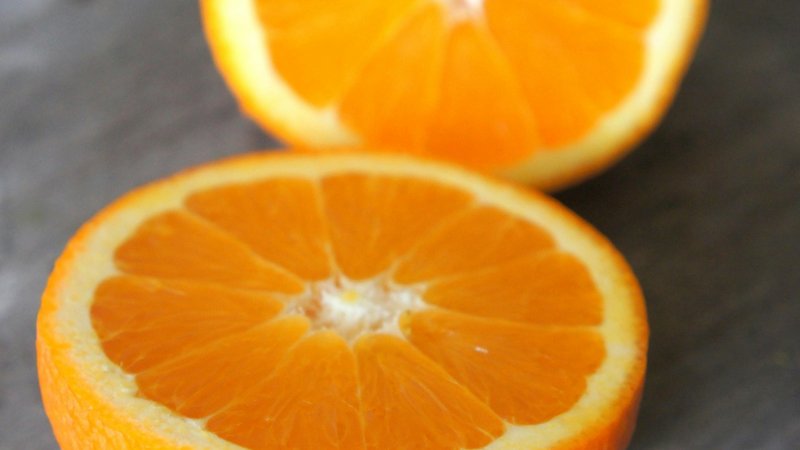
The flesh of an orange is the only part that’s remotely safe for dogs. The peel, white pith, and seeds are all off-limits and should be removed completely before offering any piece to your pet.
Orange peels contain compounds including essential oils that are known to be harmful to dogs. Research on essential oil toxicity in dogs confirms that citrus-derived oils can cause neurological symptoms, drooling, and weakness even in small exposures.
Seeds present a choking hazard and contain trace amounts of cyanogenic compounds. Always peel the orange fully and inspect the flesh before serving.
Safe Serving Guidelines and Portion Control
For most healthy adult dogs, one or two segments of orange per day is a reasonable upper limit. Smaller dogs should receive even less — half a segment is often enough.
Always introduce oranges slowly if your dog has never had them before. Watch for any signs of digestive upset, skin reactions, or unusual behavior in the hours following their first taste.
Dogs already enjoying a nutritionally balanced diet — similar to those benefiting from other whole-food additions like chia seeds for dogs — tend to handle small fruit portions better than dogs eating highly processed diets.
Orange Varieties and Which Types Are Safest for Dogs
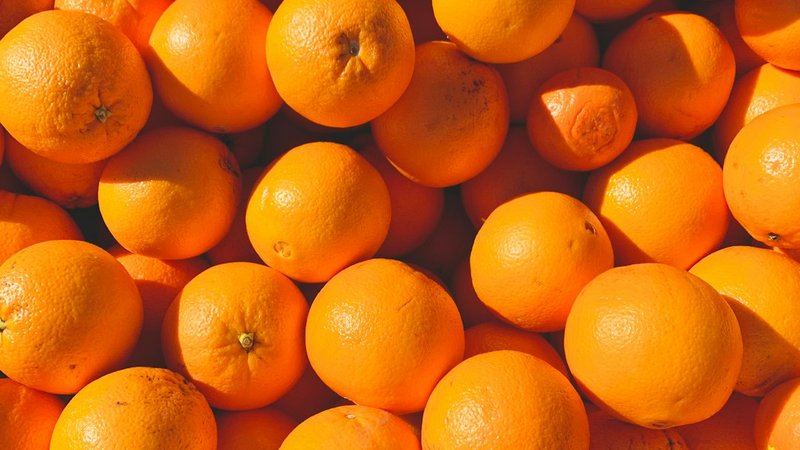
Not all oranges are created equal. There are many distinct varieties available, including Navel, Valencia, Blood Oranges, Cara Cara, Seville, Hamlin, Tangelo, Moro, Jaffa, Bergamot, Calamondin, and Mandarines, each with slightly different sugar and acidity profiles.
Navel and Cara Cara oranges tend to be lower in acidity and higher in sweetness, making them gentler options for dogs. Seville and Bergamot varieties are significantly more bitter and acidic, and are best avoided entirely for canine consumption.
Mandarins and clementines fall within the same citrus family and carry similar risks and benefits. They’re slightly smaller and easier to portion, but the same rules about peels, seeds, and moderation apply.
When in doubt, your veterinarian is always the best resource for personalized dietary advice. Every dog has a unique health profile, and what works for one may not be appropriate for another — especially dogs with pre-existing conditions or those on specific medications.
Just like understanding how diet affects calm dog breeds differently than high-energy ones, knowing your individual dog’s baseline health is essential before introducing any new food into their routine.