Can Dogs Eat Mango? Safety Guide for Pet Owners
Mango is one of the most beloved tropical fruits on the planet, and it’s hard not to want to share a juicy slice with your dog on a warm day. The good news is that mango is generally safe for dogs — but there are important rules every owner needs to know before offering it.
Not every part of the fruit is safe, and portion size matters more than most people realize. Understanding exactly what to serve — and what to avoid — can make all the difference for your dog’s health.
Is Mango Safe for Dogs to Eat
Yes, the flesh of a ripe mango is safe for dogs to eat in moderation. It is non-toxic and well-tolerated by most healthy dogs when prepared correctly.
The key word here is moderation. Mango is naturally high in sugar, which means overfeeding can lead to digestive upset or contribute to weight gain over time.
Nutritional Benefits and Health Considerations
Mango earns its reputation as a nutritional powerhouse. It is loaded with vitamin C, vitamin A, folate, magnesium, and antioxidants — all nutrients that support immune function, vision, and cellular health in dogs.
According to USDA nutritional data, a single cup of mango contains over 60 milligrams of vitamin C and a significant dose of beta-carotene. These compounds can offer real benefits as an occasional supplement to a balanced diet.
If you already explore nutrient-rich additions to your dog’s meals, you may also find that chia seeds for dogs offer a complementary set of omega-3 and fiber benefits worth considering.
Dangerous Parts: Pit, Skin, and Preparation Methods
While the flesh is safe, the pit is a serious hazard. Mango pits are large enough to cause a choking emergency or a life-threatening intestinal blockage, especially in smaller breeds.
The pit also contains trace amounts of cyanide, which adds another layer of risk. Always remove it completely before offering any mango to your dog.
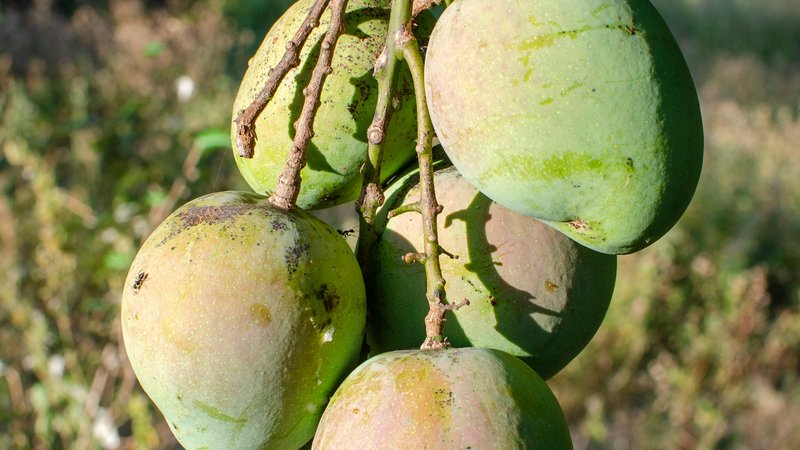
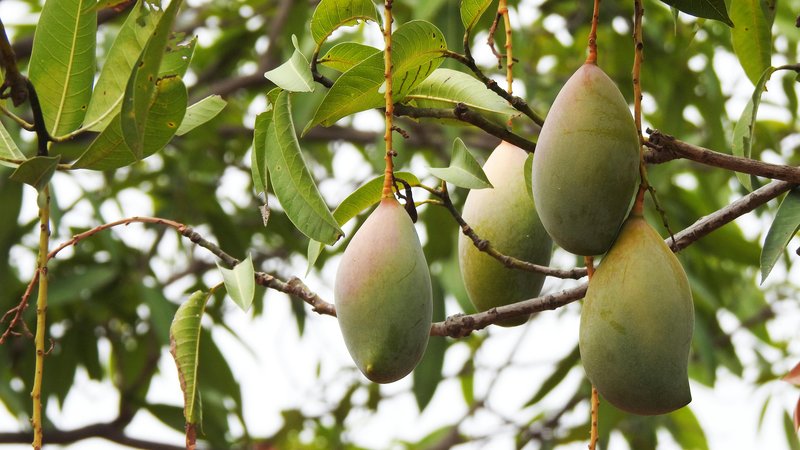
The skin is another part to skip. It is tough, difficult to digest, and can cause gastrointestinal irritation. As a tropical fruit guide notes, mangos are oval fruits with a flat pit in the center — always peel fully and remove that pit before serving.
Dried mango and mango-flavored products should also be avoided. These are often loaded with added sugars, preservatives, or artificial sweeteners that are harmful to dogs.
Safe Serving Guidelines by Dog Age and Size
Serving size should always reflect your dog’s size and life stage. A large adult dog can handle a few small cubes of mango as an occasional treat, while a small or toy breed should receive no more than one or two small pieces.
Puppies and senior dogs require extra caution. Their digestive systems are more sensitive, and their tolerance for natural sugars is lower. Understanding dog life stages — from puppy through senior — helps owners make smarter decisions about introducing new foods at the right time.
As a general rule, treats of any kind — including fruit — should make up no more than 10% of your dog’s daily caloric intake.

Mango Allergies and Health Condition Interactions
Mango allergies in dogs are rare but possible. When introducing mango for the first time, offer a very small piece and monitor your dog for the next 24 hours for signs of itching, swelling, vomiting, or diarrhea.
Dogs with diabetes or obesity should avoid mango entirely due to its high natural sugar content. The same caution applies to dogs managing pancreatitis, as high-sugar foods can aggravate the condition.
Dogs on prescription diets or with known food sensitivities should only receive new foods after explicit veterinary approval. When in doubt, always check first.
When to Consult Your Veterinarian
If your dog accidentally swallows a mango pit, contact your veterinarian or an emergency animal clinic immediately. Blockages can become life-threatening within hours and require urgent intervention.
You should also call your vet if your dog shows any unusual symptoms after eating mango for the first time, including prolonged vomiting, lethargy, or signs of abdominal discomfort.
For owners who enjoy exploring safe, wholesome food options for their dogs, looking into tuna in spring water is another example of a food that is safe under the right conditions. Your vet remains your best resource for personalizing any dietary additions to your dog’s routine.