Can Dogs Eat Quail Eggs? Safety & Benefits
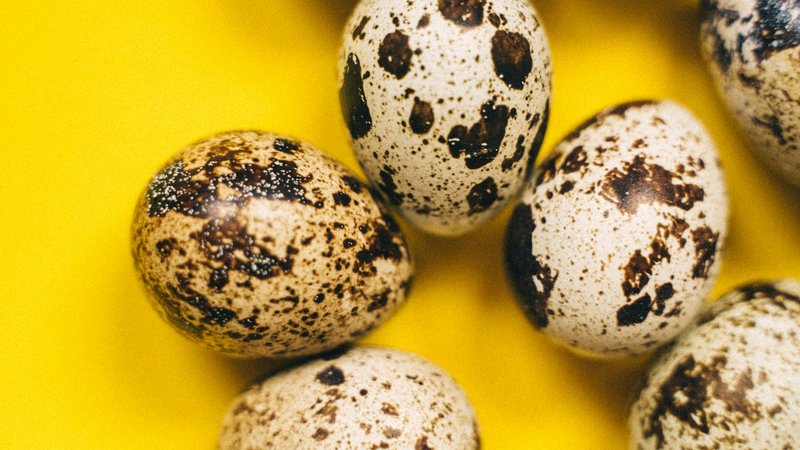
Quail eggs have been quietly gaining attention among dog owners looking to add variety and nutrition to their pet’s diet. They’re small, nutrient-dense, and widely available — but are they actually safe for dogs?
The short answer is yes, dogs can eat quail eggs. That said, how you prepare them and how often you serve them matters more than most people realize.
Nutritional Profile: How Quail Eggs Compare to Chicken Eggs
Quail eggs are not simply a miniature version of chicken eggs — they have a distinct nutritional identity. Research confirms that quail eggs differ from chicken eggs in fatty acid profile, cholesterol levels, and iron content, making them a genuinely unique food source.
They are particularly rich in protein, B vitamins, and essential amino acids. Their higher yolk-to-white ratio also means they deliver more fat-soluble nutrients per gram compared to standard chicken eggs.
For dogs on a varied or fresh-food diet, this nutritional distinction can be meaningful. Owners already exploring options like chia seeds for dogs may find quail eggs a complementary addition to a whole-food approach.
Safety Considerations and Bacterial Contamination Risks
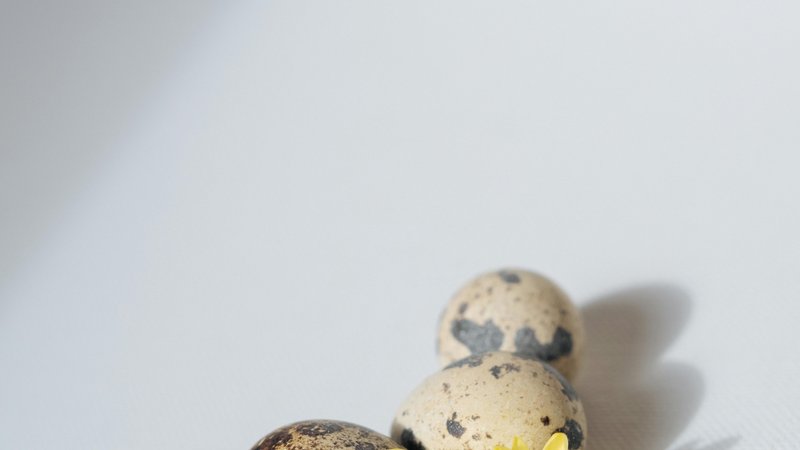
One of the most common assumptions is that quail eggs are inherently safer than chicken eggs when served raw. This is a myth worth correcting directly.
According to available evidence, raw quail eggs are not reliably less likely to contain Salmonella than raw chicken eggs. The actual risk depends on flock health, handling hygiene, and regional prevalence — not the species of bird.
This means raw quail eggs carry a real, if manageable, bacterial risk. Dogs with compromised immune systems, puppies, or senior dogs are especially vulnerable and should not be fed raw eggs without veterinary guidance.
Preparation Methods and Serving Guidelines
The safest way to serve quail eggs to dogs is fully cooked — either hard-boiled or lightly scrambled without oil, butter, salt, or seasoning. Cooking eliminates the Salmonella risk and also neutralizes avidin, a compound in raw egg whites that can interfere with biotin absorption over time.
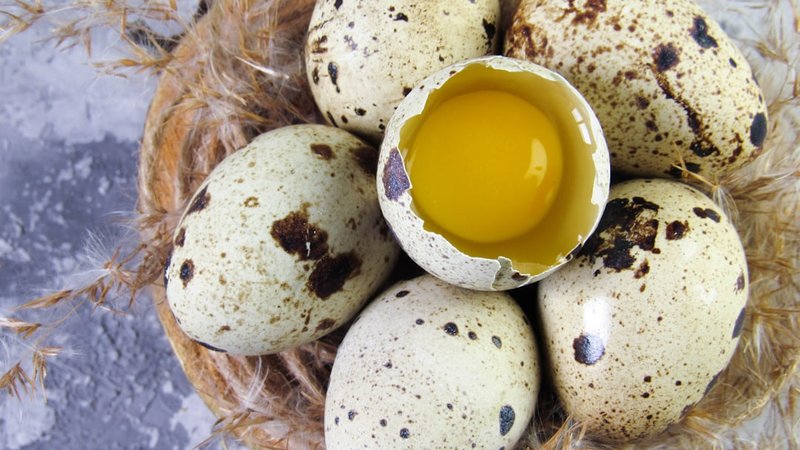
The shell is also safe and even beneficial. Quail eggshells are a natural source of calcium and can be crushed and mixed into food as a supplement. Just ensure the shells are clean before use.
If you prefer a raw feeding approach and understand the associated risks, sourcing eggs from a reputable, hygiene-certified producer significantly reduces — though does not eliminate — the chance of contamination. Always consult your vet before introducing raw animal products.
Potential Health Benefits for Canine Skin and Coat
Quail eggs contain omega fatty acids, particularly in eggs from certain producers where EPA and DHA levels are notably higher. These fatty acids play a direct role in supporting skin barrier function and promoting a healthy, glossy coat in dogs.
Dogs prone to dry skin, seasonal shedding, or dull coats may benefit from the regular inclusion of nutrient-rich whole foods. Quail eggs fit naturally into this category alongside other anti-inflammatory food sources.
It is also worth noting that egg allergies, while uncommon in dogs, do exist. Research into allergen sensitivity in dogs highlights the importance of monitoring for reactions when introducing any new protein source. Watch for itching, digestive upset, or skin changes after the first few servings.
Dosage Recommendations Based on Dog Size and Age
Quail eggs are small — roughly one-third the size of a standard chicken egg — which makes portion control more intuitive. As a general guideline, small dogs under 10 lbs can have one quail egg two to three times per week. Medium dogs can handle two to three eggs on those same days.
Large and giant breeds can eat up to four or five quail eggs a few times weekly without issue, provided eggs are not replacing a significant portion of their balanced diet. Treats and supplemental foods, including eggs, should make up no more than 10% of a dog’s daily caloric intake.
Puppies can be introduced to cooked quail eggs after weaning, starting with half an egg and increasing gradually. For owners building a more complete fresh-food routine, exploring homemade raw dog food for large breeds offers a broader framework for incorporating whole ingredients like quail eggs responsibly.
When in doubt, your veterinarian remains the best resource for tailoring any dietary addition to your individual dog’s health status, breed, and age.