How to Clean Dog Ears Safely at Home
Keeping your dog’s ears clean is one of the most overlooked parts of routine pet care. Dirty ears can quickly become a breeding ground for bacteria and yeast, leading to painful infections that are far harder to treat than they are to prevent. Learning how to clean dog ears at home correctly can protect your pet’s hearing, comfort, and overall health without a trip to the vet every single time.
The good news is that with the right technique and a few affordable supplies, most dog owners can handle routine ear maintenance confidently. The key is knowing what to do, when to do it, and when to stop and call a professional instead.
Understanding Your Dog’s Ear Anatomy and Why Cleaning Matters
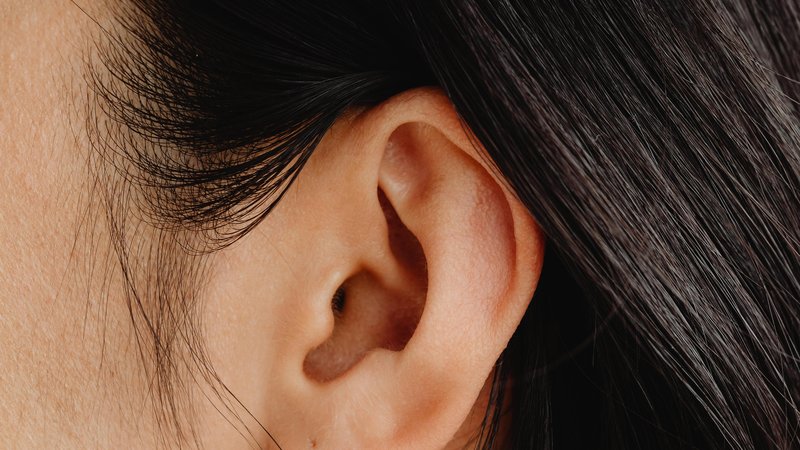
A dog’s ear canal is shaped like an “L,” which means debris, moisture, and wax can easily get trapped deep inside. Unlike human ears, dogs cannot self-clean this canal effectively. Buildup leads to odor, discomfort, head shaking, and eventually infection. Cornell’s canine health experts emphasize that regular cleaning disrupts the environment where harmful microorganisms thrive.
Selecting the Right Ear Cleaner and Tools for Home Use
Always use a veterinarian-approved ear cleaning solution. Avoid hydrogen peroxide, alcohol, or homemade mixtures, as these can irritate sensitive ear tissue. You will also need cotton balls or gauze pads — never cotton swabs, which can push debris deeper or damage the eardrum. The Merck Veterinary Manual provides a clear breakdown of recommended materials and safe technique for home cleanings.
Step-by-Step Technique for Safe and Effective Ear Cleaning
Start by gently lifting your dog’s ear flap and inspecting the canal. If you see dark discharge, a foul smell, swelling, or your dog flinches in pain, stop immediately and contact your vet. For a normal cleaning, fill the canal with solution, gently massage the base of the ear for about 30 seconds, then let your dog shake its head. Use cotton balls to wipe away loosened debris from the outer canal only. Repeat on the other ear and reward your dog afterward to build a positive association with the routine.
Breed-Specific Considerations and Predisposition to Ear Issues
Not every dog needs the same cleaning schedule. Vets consider factors like breed predispositions, regular swimming, chronic ear infections, canine allergies, and excessive earwax production when advising how often to clean. Floppy-eared breeds like Basset Hounds and Cocker Spaniels trap more moisture and need more frequent attention. Dogs that swim regularly or suffer from environmental allergies are also at higher risk. If you have a French Bulldog, their compact ear structure means you should inspect and clean more carefully and consistently than with many other breeds.
When to Seek Veterinary Care Instead of Cleaning at Home
Home cleaning is maintenance, not treatment. If your dog is scratching persistently, tilting its head to one side, showing redness inside the ear, or producing a thick, colored discharge, those are signs of an active infection requiring professional diagnosis. Attempting to clean an infected ear at home can worsen the condition. GeniusVets recommends scheduling a vet visit at the first sign of discomfort rather than waiting to see if it resolves on its own. Some pet owners also unknowingly make grooming mistakes that irritate their dogs — habits worth reviewing in this piece on things dog groomers secretly judge.
Post-Cleaning Care and Drying to Prevent Infection
After cleaning, moisture left inside the canal is one of the top causes of recurring infections. Always allow your dog to shake its head naturally to expel excess solution, then gently dry the outer ear with a soft cloth. Never use a hair dryer or insert anything into the canal to dry it. If your dog swims frequently, ask your vet about a drying solution designed for post-swim ear care.
On the cost side, DIY monthly supplies typically run $5–$40, with occasional professional deep cleans bringing annual spending to roughly $200–$1,200 depending on your dog’s needs. Staying consistent with home cleaning keeps those costs at the lower end. Being aware of common pet care habits that stress your animal can also help you make the entire grooming process calmer and more effective for both of you.