Can Dogs Eat Raw Salmon? Safety Guide
Raw salmon is one of the most debated foods in the dog nutrition world. Pet owners exploring raw diets are often drawn to its impressive omega-3 profile, yet veterinarians consistently flag serious safety concerns that every dog owner must understand before serving it.
The answer is not a simple yes or no. Whether raw salmon is safe for your dog depends heavily on where the fish was sourced, how it was handled, and whether proper precautions were taken.
Understanding Salmon Poisoning Disease and Regional Risk Factors
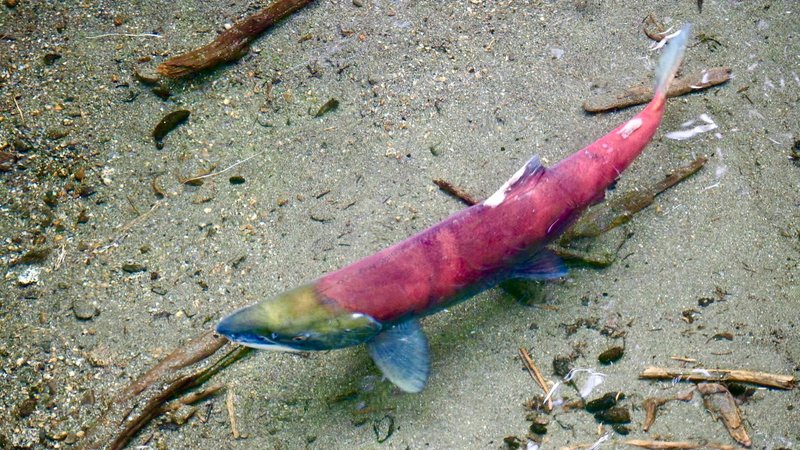
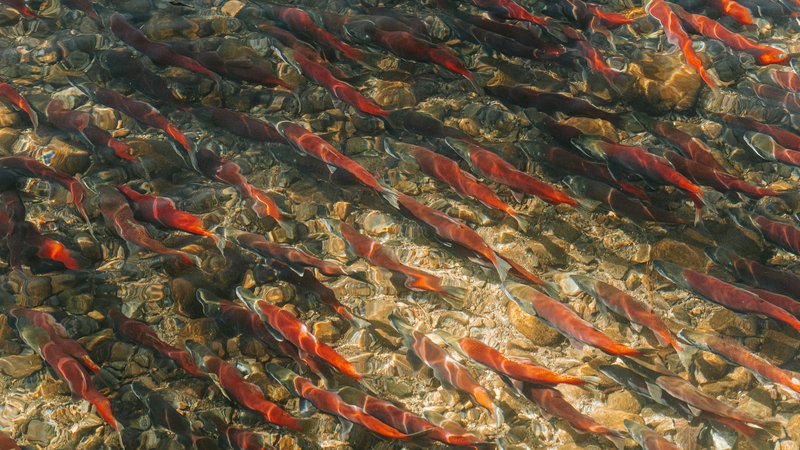
Salmon Poisoning Disease (SPD) is one of the most serious threats associated with feeding raw fish to dogs. It is caused by Neorickettsia helminthoeca, a bacterial organism carried by a specific parasitic fluke found in raw fish.
This disease is not a nationwide risk — it is geographically concentrated. According to published veterinary research, the disease is endemic within specific regions of the Pacific Northwest of the United States and Canada.
Dogs living in or traveling through Oregon, Washington, northern California, and parts of British Columbia face the highest exposure risk. That said, raw salmon sourced from these regions and sold elsewhere can still carry the organism, making geography only part of the equation.
Parasites and Bacterial Contamination in Raw Salmon
Beyond SPD, raw salmon can harbor a range of parasites, including flukes, tapeworms, and roundworms. These organisms can establish infections in dogs that go undetected for weeks before symptoms appear.
Bacterial contamination is another layer of concern. Pathogens like Salmonella and Listeria can be present in raw fish and pose risks not only to dogs but also to the humans handling the food. The AVMA’s position on raw animal proteins highlights these cross-contamination risks as a public health consideration.
Freezing raw salmon at sufficiently low temperatures for an extended period can kill many parasites, but it does not eliminate all bacterial risks. This is why sourcing matters enormously — look for salmon carrying the MSC blue fish label, which signals responsibly sourced, traceable seafood.
Thiaminase Enzyme and Vitamin B1 Deficiency Concerns
Raw salmon contains thiaminase, an enzyme that actively breaks down thiamine (vitamin B1) in the body. Feeding raw fish regularly without accounting for this can lead to a dangerous nutritional deficiency over time.
This is not a minor concern. Research on thiamine deficiency shows that fish populations themselves have suffered widespread health declines due to thiaminase-rich diets — and the same biochemical disruption applies to dogs fed raw fish in excess.
Symptoms of thiamine deficiency in dogs include neurological signs, muscle weakness, loss of appetite, and in severe cases, seizures. Dogs fed a varied raw diet that includes fish should have their B1 intake monitored carefully.
Nutritional Benefits and Omega-3 Fatty Acids
It would be misleading to focus only on risks. Salmon is genuinely one of the most nutrient-dense proteins available for dogs when handled correctly.
According to raw feeding nutrition data, fish such as salmon offers omega-3 fatty acids that are beneficial for coat health and overall well-being. These fatty acids also support joint health, cognitive function, and immune response.
Salmon is also a high-quality protein source with a favorable amino acid profile. For dogs on a homemade raw diet for large breeds, incorporating properly prepared salmon can deliver meaningful nutritional value.
Safe Preparation Practices and When to Seek Veterinary Care
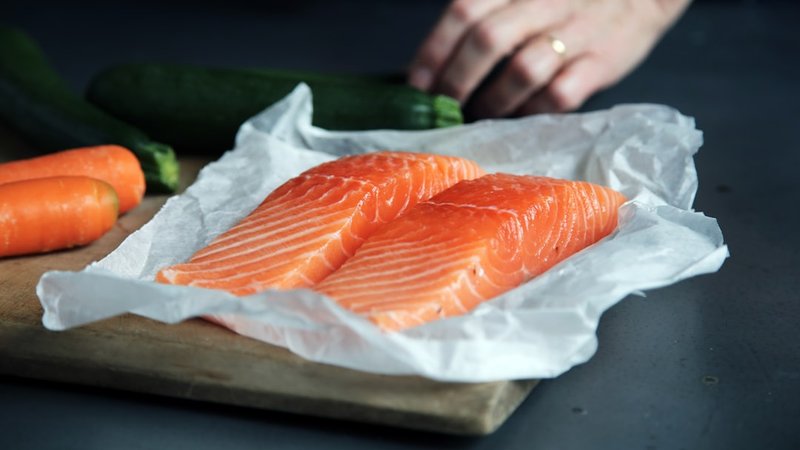
The safest way to serve salmon to dogs is fully cooked, without seasoning, onion, garlic, or added oils. Cooking eliminates parasites, destroys thiaminase, and significantly reduces bacterial load.
If you choose to feed raw salmon, deep-freeze the fish at -4°F (-20°C) for at least seven days before serving. Always source from reputable suppliers and avoid wild-caught Pacific salmon if you are in or near the Pacific Northwest.
Watch for warning signs after any raw fish meal: vomiting, diarrhea, lethargy, fever, or swollen lymph nodes. Salmon Poisoning Disease can be fatal within two weeks if untreated, but it responds well to antibiotics when caught early.
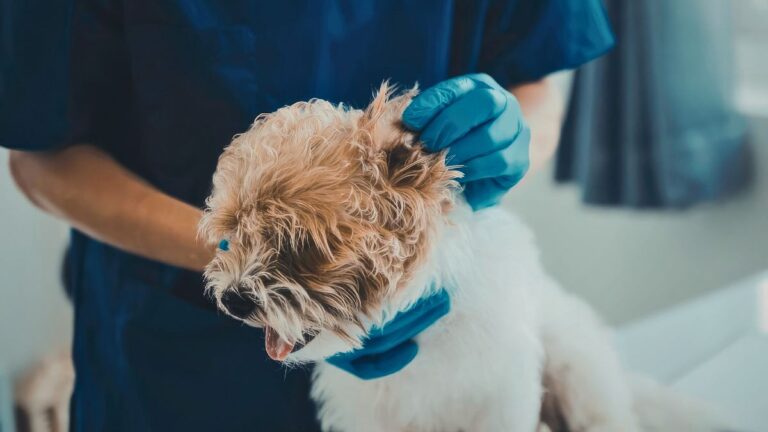
If your dog has eaten raw salmon and shows any of these symptoms, contact your veterinarian immediately. Early intervention is the single most important factor in a positive outcome. For owners curious about other seafood options, understanding crab meat safety for dogs follows a similarly nuanced set of guidelines worth reviewing.