
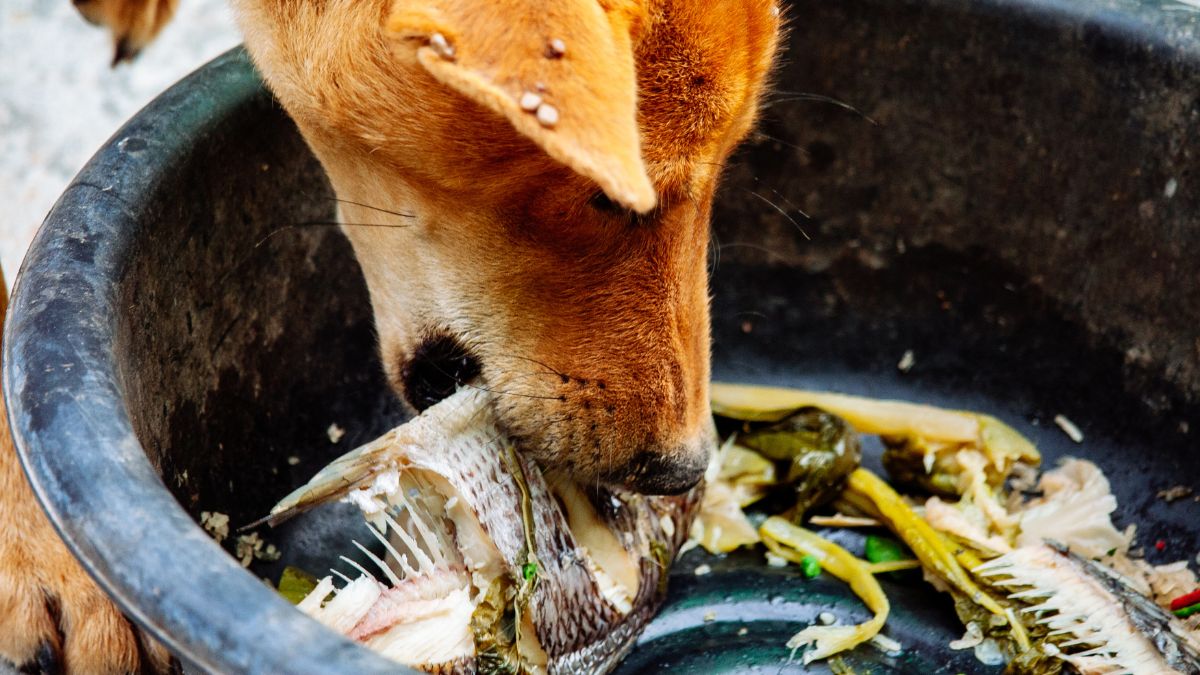
The Complete Guide to Feeding Fish to Raw Fed Dogs
Adding fish to your dog’s meals can be one of the most impactful decisions you make as a raw feeder. Many pet owners who follow a raw diet for their dogs overlook fish entirely, yet it offers a unique nutritional profile that other proteins simply cannot match.
Understanding how to incorporate fish correctly into a raw dog food diet takes a little research and planning. This guide covers everything you need to know, from selecting the right species to understanding portion sizes and preparation methods.
Why Fish Is a Valuable Addition to a Raw Dog Food Diet
Fish brings a remarkable range of nutrients to a raw dog food diet that go well beyond basic protein. It is naturally rich in essential fatty acids, fat-soluble vitamins, and important minerals like iodine and selenium. These compounds work together to support everything from immune function to coat health.
Unlike land-based proteins such as chicken or beef, fish provides a completely different amino acid and fat profile. This variety is actually beneficial, as rotating proteins helps ensure your dog receives a broader spectrum of nutrients over time. Many holistic veterinarians recommend fish as a regular rotation protein for exactly this reason.
Fish is also a highly digestible protein source for most dogs. Even dogs with sensitive stomachs or food sensitivities tend to tolerate fish well, making it a practical choice for raw feeders who struggle to find proteins their dog can comfortably handle. The relatively low allergenic potential of most fish species adds significantly to its appeal.
The Omega-3 Benefits of Fish for Dogs
One of the most well-known omega-3 benefits of feeding fish is its positive effect on skin and coat condition. Dogs that consume adequate levels of EPA and DHA, the two key omega-3 fatty acids found in fish, typically display shinier coats and experience less shedding. These fatty acids also help reduce skin inflammation, which is particularly useful for dogs prone to itching or dry patches.
Beyond coat health, omega-3 fatty acids play a significant role in brain and eye development. This makes fish especially valuable for puppies whose nervous systems are still maturing. Even in adult and senior dogs, these fatty acids support cognitive function and may help slow age-related mental decline.
The anti-inflammatory properties of omega-3s also benefit dogs dealing with joint issues or arthritis. Regular inclusion of fish in the diet can help reduce joint stiffness and improve mobility in affected dogs. Many raw feeders report visible improvements in their older dogs after consistently adding fish to their protein rotation.
Choosing Safe Fish for Raw Feeding
Not all fish are equally suitable for raw feeding, and knowing which species to choose is an essential part of responsible safe fish selection. Smaller, short-lived fish like sardines, mackerel, herring, and sprats are generally considered the safest options. These species accumulate far fewer heavy metals and environmental toxins compared to larger predatory fish.
Larger fish such as tuna, swordfish, and shark should be avoided or used very sparingly due to their high mercury content. These fish sit at the top of the food chain and bioaccumulate toxins at much higher levels over the course of their longer lifespans. Feeding them regularly to your dog can lead to significant heavy metal buildup over time.
Salmon is a popular choice among raw feeders but requires special attention. Raw salmon from the Pacific Northwest can carry a parasite that triggers a potentially fatal condition in dogs, while freezing it at a sufficiently low temperature for several weeks before feeding eliminates this risk. Atlantic salmon does not carry the same parasite and is therefore a more straightforward option for many feeders.
Farmed versus wild-caught fish is another important consideration. Wild-caught fish generally offers a better fatty acid profile and lower levels of artificial additives. Sourcing high-quality wild-caught fish whenever possible will give your dog the most complete nutritional benefit.
Raw Feeding Guidelines for Introducing Fish to Your Dog
When introducing fish into your dog’s routine for the first time, a gradual approach is always best. Start with a small amount alongside a protein your dog already tolerates well. This reduces the likelihood of digestive upset and allows you to monitor for any adverse reactions before committing to larger portions.
Fish can be fed whole, including bones, which are soft and entirely safe for dogs to consume raw. Whole fish like sardines and sprats are particularly convenient because they require no preparation and deliver a complete nutritional package in a single small serving. Never feed cooked fish bones, as cooking makes them brittle and potentially dangerous.
As a general raw feeding guideline, fish should represent around ten to fifteen percent of your dog’s overall diet rather than serving as the sole protein source. Variety is the cornerstone of a balanced raw diet, and fish works best as part of a broader rotation that includes red meats, poultry, and organ meats. Keeping portion sizes appropriate ensures your dog benefits from fish without overconsumption of nutrients like iodine.
Common Mistakes to Avoid When Feeding Fish Raw
One of the most frequent mistakes raw feeders make is assuming all fish is safe simply because it comes from nature. Species selection matters enormously when it comes to toxin levels and parasite risk, so researching appropriate options before buying in bulk can save you from costly errors. A little preparation upfront goes a long way toward keeping your dog safe.
Another common error is feeding fish that has been seasoned, marinated, or prepared with additives intended for human consumption. Plain, unseasoned fish is what your dog needs, completely free from onion, garlic, salt, or any other flavoring. Even small amounts of certain seasonings can be genuinely harmful to dogs.
Overfeeding fish is also a pitfall worth watching closely. While fish is highly nutritious, excess iodine from overly frequent fish feeding can place unnecessary strain on the thyroid over time. Sticking to recommended portion sizes and maintaining a varied protein rotation keeps everything in a healthy balance.