Can Dogs Eat Mackerel? Safety & Health Guide
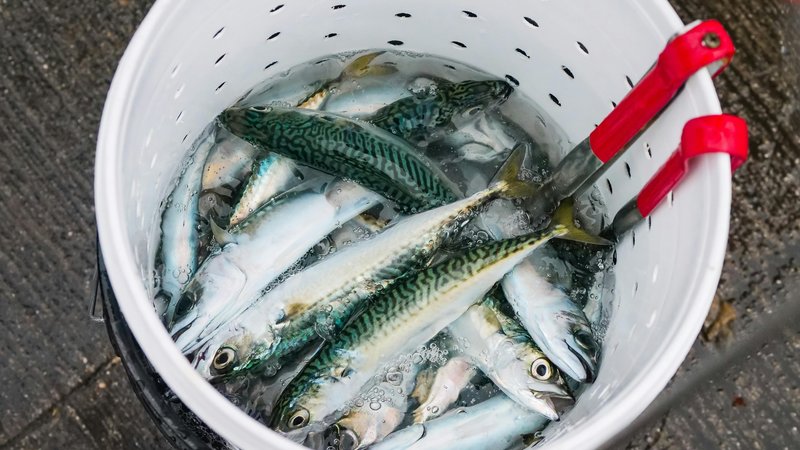
Mackerel is a nutrient-dense, oily fish that many dog owners are curious about adding to their pet’s bowl. The short answer is yes — dogs can eat mackerel, and it can be a genuinely healthy addition to their diet when served correctly.
That said, not every dog should eat it, and not every form of mackerel is safe. Understanding the details makes all the difference between a beneficial meal and a potential health risk.
Nutritional Benefits of Mackerel for Dogs
Mackerel is one of the richest natural sources of omega-3 fatty acids, specifically EPA and DHA. These essential fats support brain function, reduce inflammation, promote a healthy coat, and contribute to strong joint health in dogs of all ages.
Dogs can convert some ALA into EPA and DHA on their own, but not in quantities sufficient to meet their full needs. That’s why feeding omega-3-rich fish like mackerel two to three times per week is widely recommended by canine nutrition experts.
Beyond omega-3s, mackerel delivers high-quality protein, B vitamins, selenium, and phosphorus. These nutrients collectively support muscle maintenance, immune function, and healthy energy metabolism.
If you’re exploring other fish options alongside mackerel, safe fish choices for dogs cover a wide range of species with similar nutritional profiles worth considering.

Safe Preparation Methods and Forms to Avoid
Plain, cooked mackerel with no added seasoning is the safest way to serve this fish to your dog. Steaming, baking, or poaching are all excellent methods that preserve nutrients without introducing harmful additives.
Canned mackerel in water with no added salt is also acceptable in moderation. However, canned varieties packed in oil, tomato sauce, or brine should be avoided entirely, as these ingredients can irritate your dog’s digestive system.
Raw mackerel is an option some raw feeders choose, though it carries a risk of parasites and bacteria. If you’re considering a raw approach, feeding fish to raw fed dogs requires specific handling and sourcing practices to keep it safe.
Smoked mackerel should always be avoided. The high sodium content and smoking process introduce compounds that are not suitable for canine consumption.
Health Considerations for Dogs with Specific Conditions
Mackerel is a fatty fish, which is precisely what makes it so nutritious — but that fat content also makes it unsuitable for certain dogs. According to canine dietary guidelines, mackerel is not recommended for dogs with pancreatitis or those that are overweight.
Dogs with pancreatitis are highly sensitive to dietary fat, and even a small amount of a rich fish like mackerel can trigger a painful flare-up. If your dog has a history of this condition, speak with your veterinarian before introducing any oily fish.
Obese dogs also need careful caloric management, and the added fat from mackerel can work against weight loss goals. Understanding the broader picture of obesity risks in dogs helps frame why dietary fat must be monitored carefully in these cases.
Appropriate Portion Sizes and Feeding Frequency
Mackerel should be treated as a supplement or topper rather than a primary protein source. A few small pieces two to three times per week is a reasonable starting point for most healthy adult dogs.
For smaller breeds, even less is appropriate. Always introduce new foods gradually and watch for signs of digestive upset, including loose stools or vomiting. If symptoms appear, reduce the amount or discontinue feeding.
Fish like sardines follow similar portioning logic. If your dog enjoys variety, sardines as a dietary addition offer comparable omega-3 benefits with slightly different fat levels to consider.
Mercury Content and Fish Species Comparison
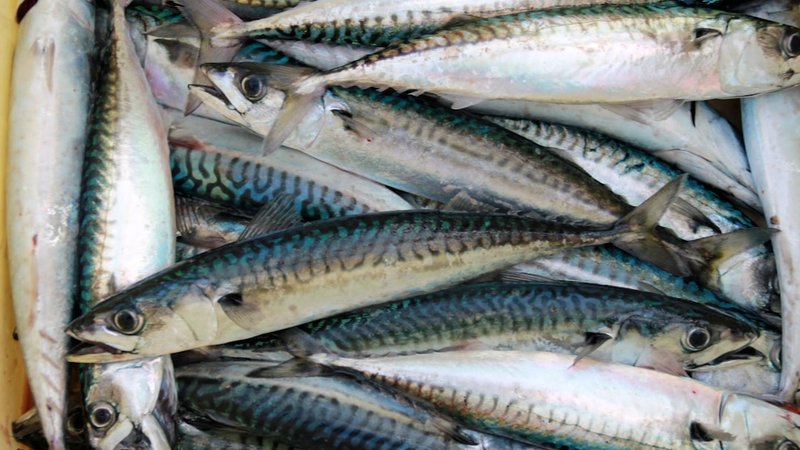
Not all mackerel species carry the same mercury risk. Smaller varieties such as Atlantic mackerel are considered low in mercury and are generally safe for regular feeding. Larger species like king mackerel, however, contain significantly higher mercury levels and should be avoided.
The health benefits of mackerel are well recognized even in human nutrition, with major health organizations recommending fatty fish at least twice per week for its cardiovascular and anti-inflammatory properties.
Sticking to smaller, wild-caught mackerel varieties keeps mercury exposure minimal while maximizing the nutritional payoff for your dog. When in doubt, ask your vet which specific species they recommend for your dog’s size and health status.