20 Calm Dog Breeds for First Time Owners
Bringing home your first dog is one of the most exciting decisions you’ll ever make — and also one of the most overwhelming. With hundreds of breeds to choose from, knowing where to start can feel impossible. The good news? Some dogs are practically born to make new owners look like pros.
The breeds on this list share a common gift: a naturally easygoing temperament that forgives rookie mistakes, adapts to quieter routines, and fills a home with steady, uncomplicated affection. Whether you live in a studio apartment or a house with a yard, there’s a calm dog breed here that fits your life. If you’re also curious about breeds that are notoriously challenging in their first year, it’s worth a read before you decide — knowing what to avoid is just as valuable as knowing what to choose.
Understanding Calm Temperament in Dogs
A calm temperament isn’t just about a dog that sleeps a lot. It describes a dog that recovers quickly from stress, doesn’t overreact to new stimuli, and maintains an even emotional baseline day to day. Genetics play a major role, but so does early socialization and consistent handling. Breeds developed for companionship, lap work, or low-intensity tasks tend to carry calmer instincts than those bred for high-drive herding or protection work.
Key Traits That Make a Breed Ideal for First Time Owners
Beyond calmness, first-time owners benefit most from dogs that are forgiving of training inconsistencies, adaptable to different living spaces, and genuinely eager to bond. Trainable breeds respond well to routines, offering stability and structure that benefits both dog and owner. Look for breeds described as affectionate, moderately energetic, and socially flexible — those three qualities alone will carry you through the learning curve of new dog ownership.
Calm Breeds for Different Living Situations and Lifestyles
Not every calm breed suits every home. A Newfoundland needs space to stretch out; a Maltese thrives in a city apartment. A retiree looking for a quiet lap companion has different needs than a young professional who wants a mellow walking buddy. The list below covers the full spectrum — small, medium, and large breeds — so you can match a dog’s energy and size to your actual daily life rather than an idealized version of it.
Health Considerations and Long-Term Commitment
Calm breeds often include brachycephalic (flat-faced) dogs like Bulldogs and Pugs, which require extra attention to breathing, heat tolerance, and dental hygiene. Giant breeds like Great Danes and Newfoundlands have shorter average lifespans and higher veterinary costs. Before choosing any breed, research its specific health predispositions and budget accordingly. A calm dog is a joy — but only when it’s a healthy one receiving consistent preventive care.
Training, Socialization, and Mental Health Benefits for Anxious Owners
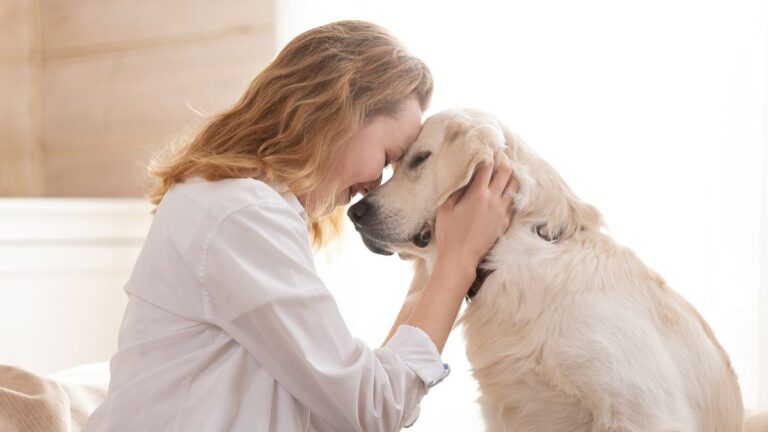
One underappreciated benefit of owning a calm dog is what it does for the owner’s mental health. Dogs with natural calmness can create a peaceful environment, ideal for reducing anxiety and providing steady comfort. For owners managing stress or depression, a gentle, bonding breed offers emotional regulation through routine, touch, and companionship. Understanding the signs your dog feels safe at home also deepens that mutual bond significantly.
1. Cavalier King Charles Spaniel
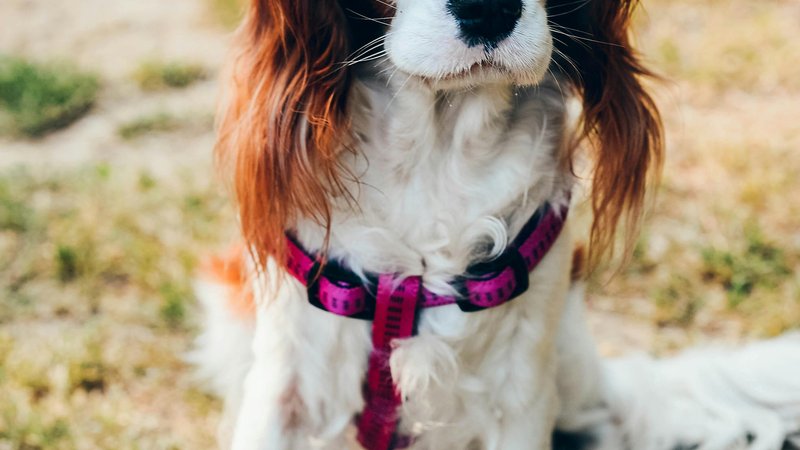
The Cavalier King Charles Spaniel is widely regarded as one of the most naturally gentle dogs in existence. Bred purely for companionship, this breed adapts effortlessly to apartment living or larger homes and melts into its owner’s lap with zero prompting. Cavaliers are known for their expressive, soulful eyes and consistently sweet disposition.
- Key Specs: 12–13 inches tall, 12–18 lbs, lifespan 12–15 years
- Pros: Extremely affectionate, adapts to any living space, great with children and seniors
- Cons: Prone to heart conditions (MVD), requires regular grooming, can be clingy
2. Basset Hound
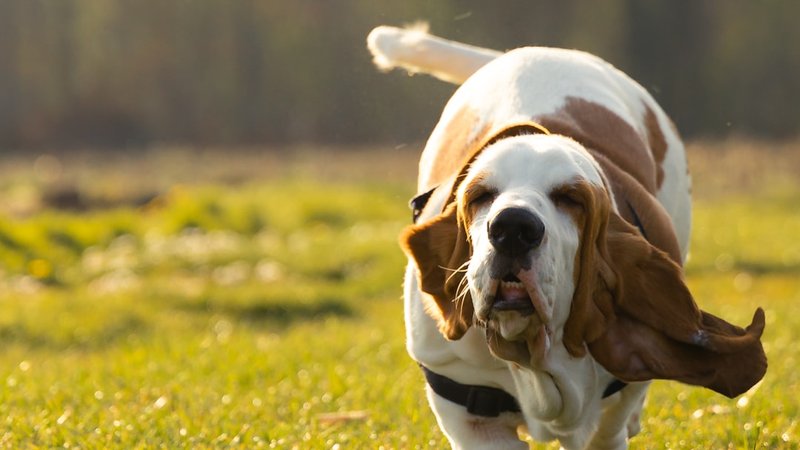
With those long, floppy ears and a permanently mournful expression, the Basset Hound is a low-energy charmer that rarely gets rattled by anything. Bassets are scent hounds bred for slow, methodical tracking, which translates into a dog that is unhurried, patient, and surprisingly easy to live with despite a stubborn streak at training time.
- Key Specs: Up to 15 inches tall, 40–65 lbs, lifespan 12–13 years
- Pros: Calm indoors, loyal, good with kids and other pets
- Cons: Stubborn during training, heavy drooler, prone to ear infections
3. Bulldog
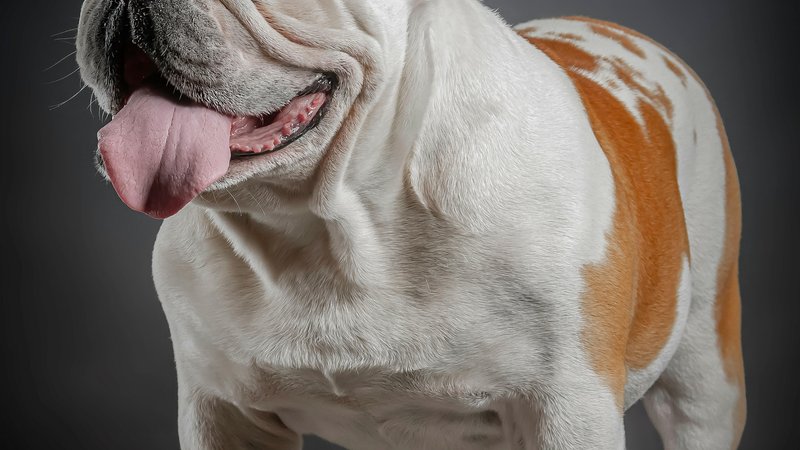
The English Bulldog is a study in dignified laziness — and first-time owners absolutely love that about them. Bulldogs are famously docile and form deep bonds with their families, rarely showing aggression and tolerating the chaos of busy households with impressive patience. They’re content with short walks and long naps.
- Key Specs: 14–15 inches tall, 40–50 lbs, lifespan 8–10 years
- Pros: Gentle, low exercise needs, excellent apartment dog
- Cons: Significant health issues (breathing, joints, skin folds), shorter lifespan, snores loudly
4. Pug

Pugs are comedians wrapped in wrinkly skin, and their even-tempered nature makes them a perennial favorite among new dog owners. Pugs thrive on human attention and are rarely aggressive or anxious, making them ideal for quieter households. Their compact size and low exercise requirements suit apartment living well.
- Key Specs: 10–13 inches tall, 14–18 lbs, lifespan 13–15 years
- Pros: Affectionate, adaptable, sociable with strangers and other dogs
- Cons: Brachycephalic health risks, heavy shedder, sensitive to heat
5. Shih Tzu
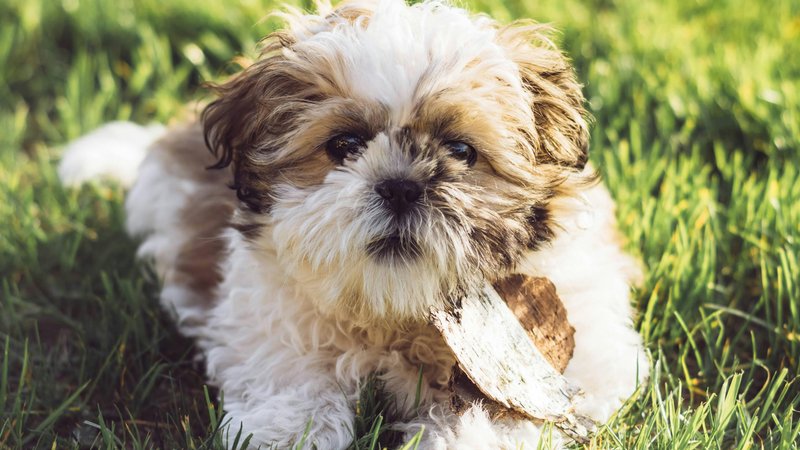
Originally bred as Chinese imperial companions, Shih Tzus carry themselves with a regal calm that belies their playful personality. They are notably non-aggressive and adapt well to both active and sedentary households. Their small size and moderate energy make them manageable for owners without prior dog experience.
- Key Specs: 9–10.5 inches tall, 9–16 lbs, lifespan 10–18 years
- Pros: Friendly, low shedding, long lifespan, great lap dog
- Cons: High grooming demands, can be stubborn, prone to eye and dental issues
6. Bichon Frise
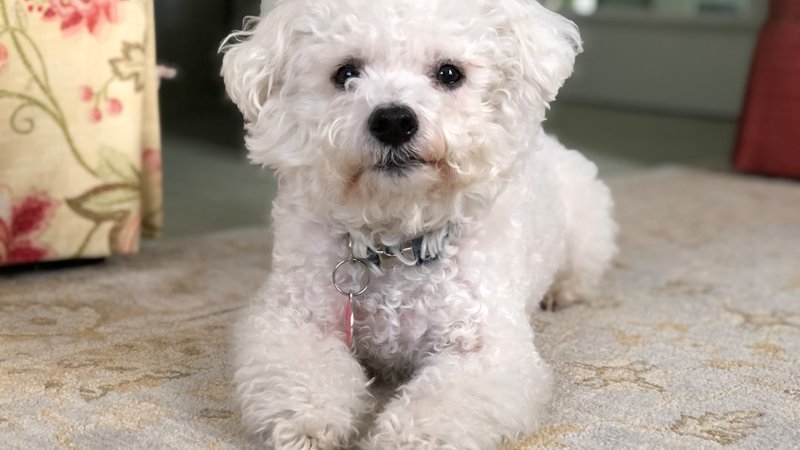
The Bichon Frise is a cheerful, gentle dog that brings consistent warmth without overwhelming energy. Bichons are hypoallergenic-friendly and known for their stable, happy temperament, which makes them particularly well-suited to first-time owners who may also have allergy concerns. They respond beautifully to positive reinforcement training.
- Key Specs: 9.5–11.5 inches tall, 12–18 lbs, lifespan 14–15 years
- Pros: Low-shedding, gentle, easy to train, good with children
- Cons: Requires frequent professional grooming, can develop separation anxiety
7. Havanese
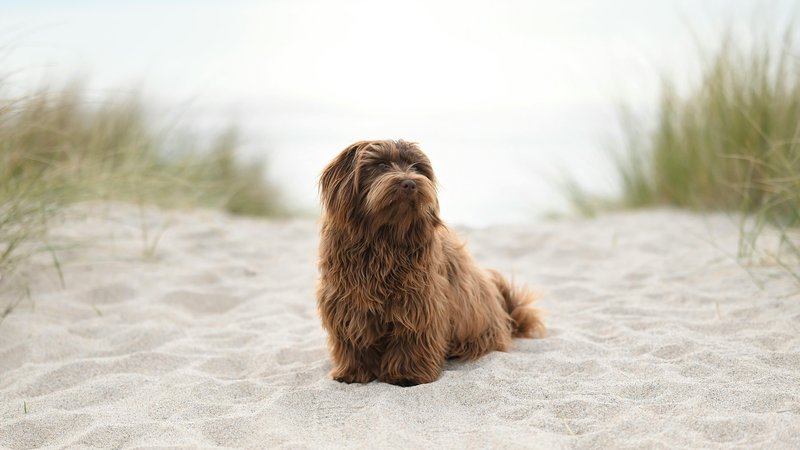
As noted by the World Animal Foundation, the Havanese is a huge package of affection and cuteness in a small body — a clownish pup that brings laughter and lightness into any home. Their size ranges between 8.5–11.5 inches and 7–13 pounds, making them an ideal fit for owners in smaller living spaces who want big personality without big dog logistics.
- Key Specs: 8.5–11.5 inches tall, 7–13 lbs, lifespan 14–16 years
- Pros: Highly social, trainable, low-shedding, excellent apartment dog
- Cons: Needs regular grooming, dislikes being left alone for long periods
8. Greyhound
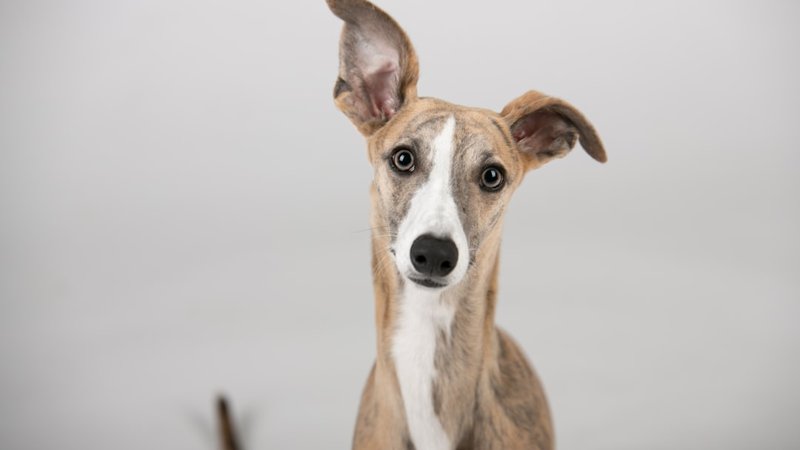
Greyhounds surprise most people — the world’s fastest dog breed is also one of its calmest house pets. As the Greyhound Club of America explains, these dogs are gentle, quiet, and deeply affectionate with their families. They spend most of their indoor time sleeping and require far less exercise than their athletic build suggests.
- Key Specs: 27–30 inches tall, 60–70 lbs, lifespan 10–14 years
- Pros: Calm indoors, low grooming needs, sensitive and loving
- Cons: High prey drive around small animals, needs a securely fenced yard for sprints
9. Clumber Spaniel
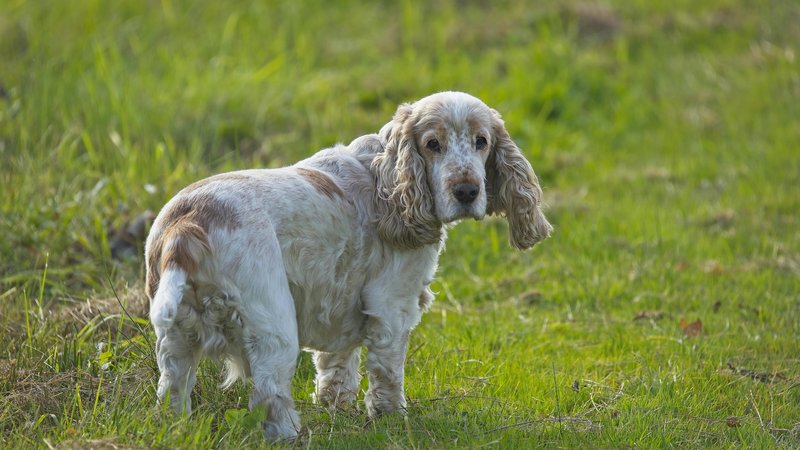
The Clumber Spaniel is the quietest and most dignified of all spaniel breeds. Clumbers are deliberate, gentle, and deeply loyal, preferring a calm household over a chaotic one. They’re not the easiest to find, but owners who discover this breed rarely look elsewhere. Their low-key demeanor pairs well with patient, first-time owners.
- Key Specs: 17–20 inches tall, 55–85 lbs, lifespan 10–12 years
- Pros: Gentle, loyal, relatively quiet, good with families
- Cons: Heavy shedder, drools, prone to hip dysplasia
10. Newfoundland

Known as “gentle giants,” Newfoundlands possess a natural sweetness and patience that is almost unmatched in the dog world. They are famously good with children and are instinctively nurturing, often described as having a “nanny dog” quality. Despite their massive size, they move through the home with surprising gentleness.
- Key Specs: 26–28 inches tall, 100–150 lbs, lifespan 9–10 years
- Pros: Exceptionally gentle, loyal, great with kids, calm temperament
- Cons: Requires significant space, heavy drooler, high grooming and food costs
11. Great Dane
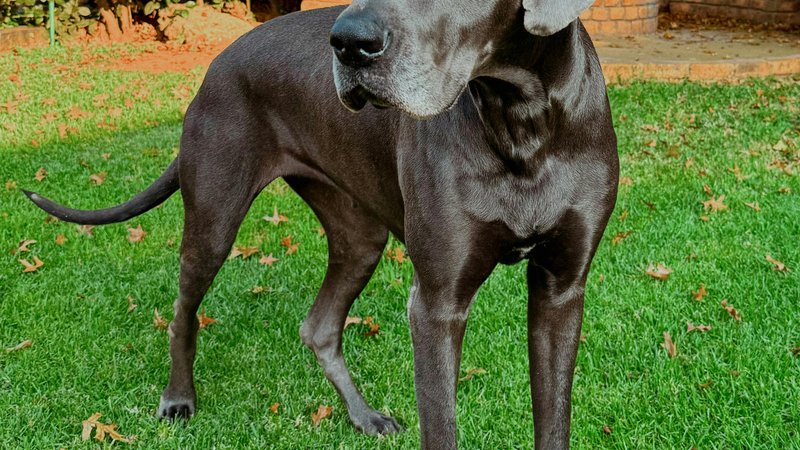
Great Danes are living proof that size and aggression are not correlated. These gentle giants are affectionate, patient, and remarkably easy to manage indoors despite their towering stature. They form strong bonds with their families and carry themselves with a calm confidence that rarely tips into anxiety or reactivity.
- Key Specs: 28–32 inches tall, 110–175 lbs, lifespan 7–10 years
- Pros: Gentle, loyal, low aggression, surprisingly calm indoors
- Cons: Shorter lifespan, prone to bloat, needs adequate space to move comfortably
12. Collie
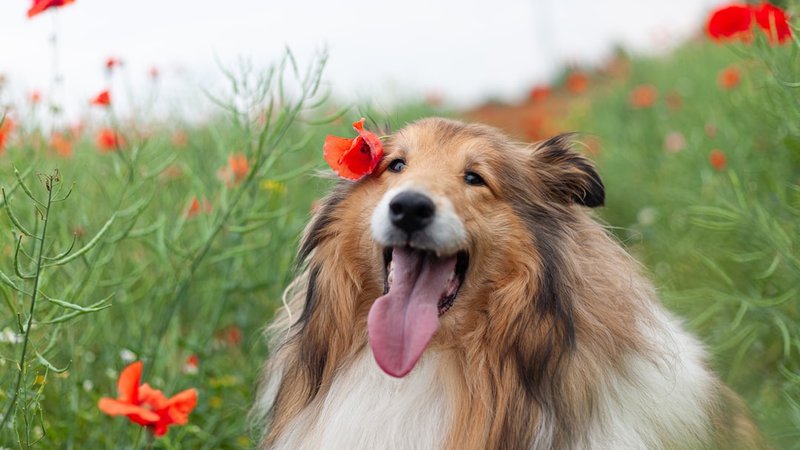
Made famous by Lassie, the Collie is an intelligent, sensitive, and remarkably well-mannered breed. Collies are devoted to their families and highly responsive to gentle, consistent training, making them an excellent match for first-time owners willing to invest time in building a relationship. They’re calm yet attentive — always aware of the household’s emotional temperature.
- Key Specs: 22–26 inches tall, 50–75 lbs, lifespan 12–14 years
- Pros: Intelligent, gentle, loyal, great with children
- Cons: Heavy seasonal shedding, can be sensitive to harsh training methods
13. Beagle
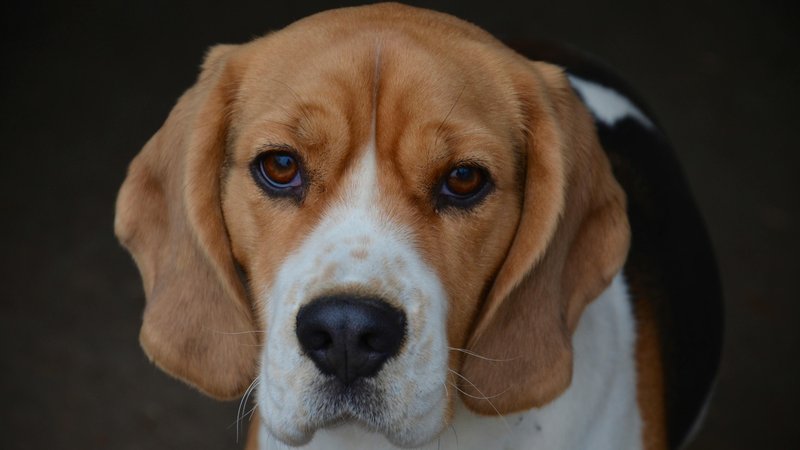
Beagles bring a cheerful, even-tempered energy that makes them endlessly likable. They are sturdy, friendly, and rarely aggressive, which makes them a reliable choice for first-time owners with families. Their moderate size and sociable nature mean they integrate easily into most households, though their nose does have a mind of its own.
- Key Specs: 13–15 inches tall, 20–30 lbs, lifespan 10–15 years
- Pros: Friendly, sturdy, good with kids and other dogs, adaptable
- Cons: Strong scent drive, can be vocal, tends to follow their nose off-leash
14. Cocker Spaniel

The Cocker Spaniel’s soft eyes and silky coat are matched by an equally soft personality. Cockers are gentle, eager to please, and highly responsive to positive reinforcement, making training feel rewarding rather than exhausting for new owners. They thrive on affection and do best in homes where they’re treated as true family members.
- Key Specs: 13.5–15.5 inches tall, 20–30 lbs, lifespan 10–14 years
- Pros: Gentle, trainable, affectionate, great with children
- Cons: Requires regular grooming, prone to ear infections, can be emotionally sensitive
15. Maltese
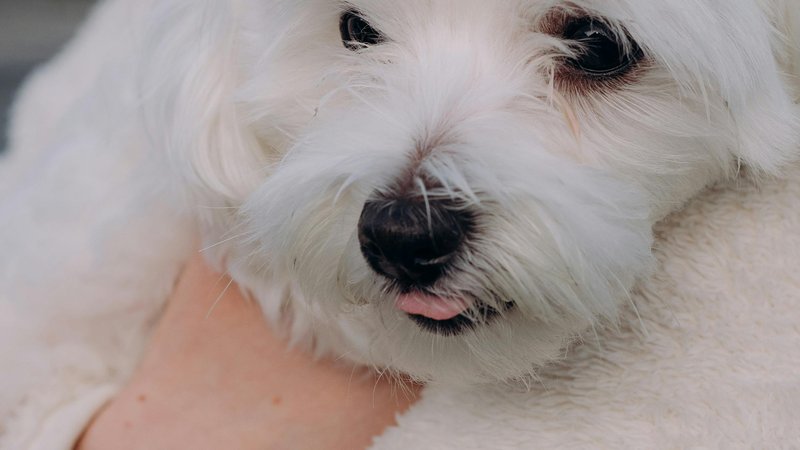
The Maltese is a tiny dog with a surprisingly composed and fearless personality. Despite their small size, Maltese dogs are confident and calm, rarely showing the nervous energy that plagues some toy breeds. They bond deeply with their owners and are well-suited to apartment living. It’s worth noting that small dog aggression is often a training issue, not a breed trait — and Maltese respond beautifully to consistent handling.
- Key Specs: 7–9 inches tall, under 7 lbs, lifespan 12–15 years
- Pros: Low-shedding, calm, affectionate, great for small spaces
- Cons: High grooming maintenance, fragile build, prone to dental issues
16. Pekingese
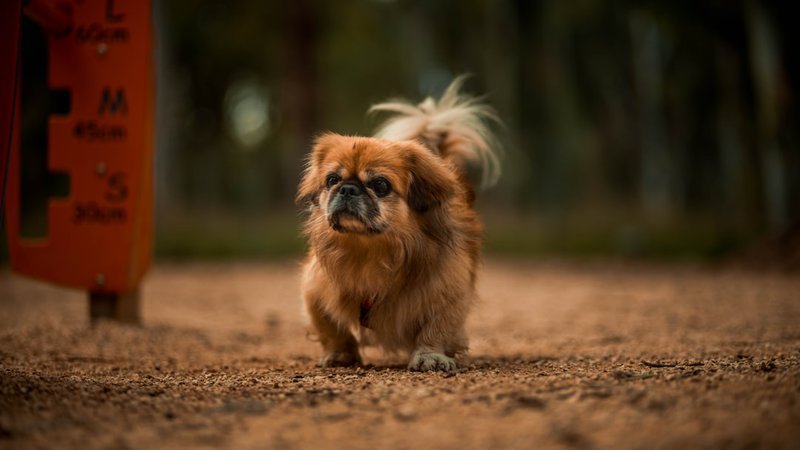
The Pekingese carries centuries of imperial Chinese heritage with quiet dignity. They are calm, independent, and deeply loyal to their primary person, making them a wonderful companion for owners who appreciate a dog with a little more self-possession. They don’t demand constant activity and are content with gentle daily walks.
- Key Specs: 6–9 inches tall, up to 14 lbs, lifespan 12–14 years
- Pros: Calm, loyal, low exercise needs, good apartment dog
- Cons: Stubborn, heavy grooming needs, brachycephalic health concerns
17. Shar Pei
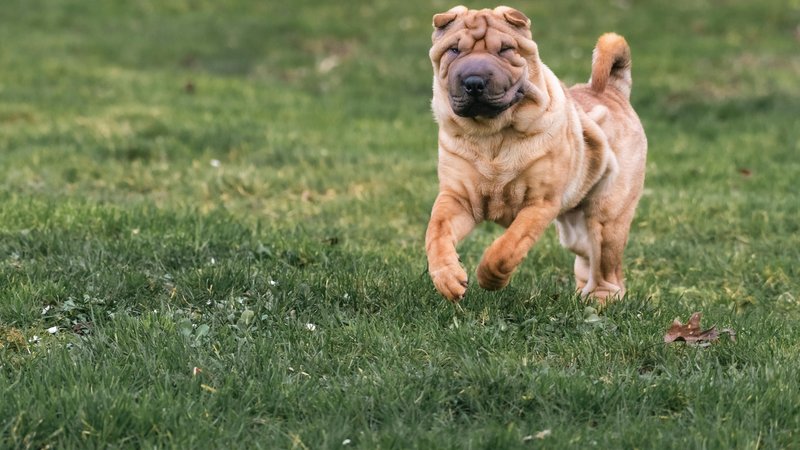
The Shar Pei’s distinctive wrinkled appearance is matched by a calm, reserved personality that suits quieter households. Shar Peis are loyal and self-contained — they don’t need constant stimulation to feel settled. While they can be aloof with strangers, they form steadfast bonds with their families and are rarely reactive without cause.
- Key Specs: 18–20 inches tall, 45–60 lbs, lifespan 8–12 years
- Pros: Calm, loyal, low exercise needs, naturally clean
- Cons: Skin fold maintenance required, can be stubborn, prone to various health conditions
18. Whippet
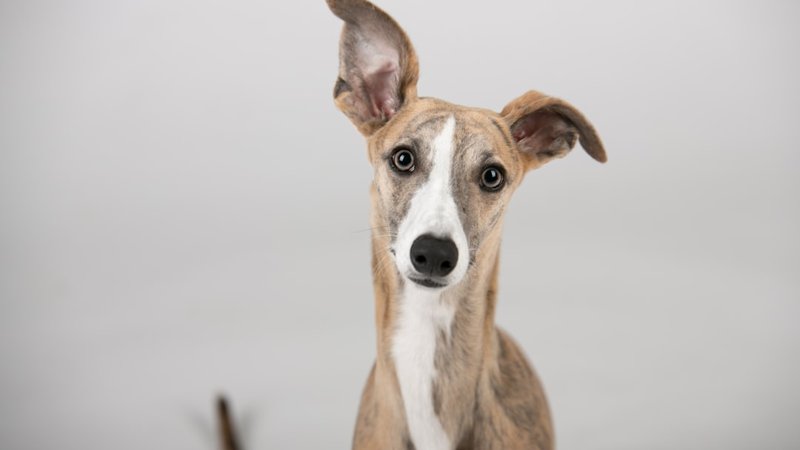
Like their Greyhound cousins, Whippets are athletes that moonlight as couch dogs. Whippets are gentle, quiet, and deeply sensitive, responding best to soft-spoken, consistent owners. They rarely bark unnecessarily, get along well with other dogs, and are one of the cleanest breeds you’ll find — a genuine bonus for first-time owners.
- Key Specs: 18–22 inches tall, 25–40 lbs, lifespan 12–15 years
- Pros: Quiet, gentle, low grooming, excellent with families
- Cons: High prey drive, needs secure fencing, sensitive to cold temperatures
19. English Springer Spaniel
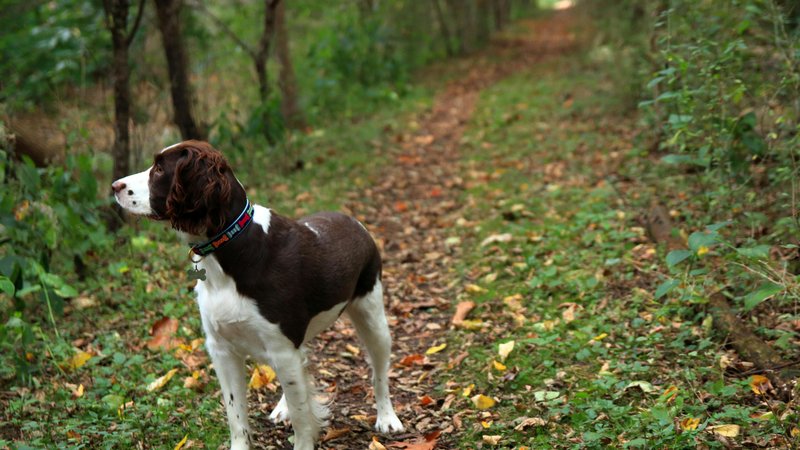
The English Springer Spaniel is the most energetic dog on this list, but its inclusion is earned by its exceptional trainability and warm, stable temperament. Springers are eager to please and form deep, trusting bonds quickly, which makes them forgiving of beginner mistakes. Channel their moderate energy with daily walks and they settle beautifully at home.
- Key Specs: 19–20 inches tall, 40–50 lbs, lifespan 12–14 years
- Pros: Highly trainable, affectionate, great with children, adaptable
- Cons: Needs regular exercise, prone to ear infections, can be exuberant when young
20. Bolognese
The Bolognese is one of the best-kept secrets in the companion dog world. Calm, devoted, and remarkably easy to live with, Bolognese dogs thrive on close human contact without being demanding or high-strung. They’re similar to the Bichon Frise in appearance but carry an even more serene, settled personality — perfect for a first-time owner’s home.
- Key Specs: 10–12 inches tall, 5.5–9 lbs, lifespan 12–14 years
- Pros: Calm, low-shedding, deeply loyal, excellent apartment dog
- Cons: Rare breed (harder to find), requires consistent grooming, dislikes long periods alone
Every dog on this list brings something different to the table — size, coat type, exercise needs, and personality all vary. But they share the one quality that matters most when you’re starting out: a temperament that gives you room to learn. Choose the breed that honestly fits your lifestyle, commit to early socialization and consistent positive training, and you’ll find that owning a calm dog is one of the most rewarding decisions you’ll ever make.