
Can Dogs Eat Smoked Salmon? Safety Guide
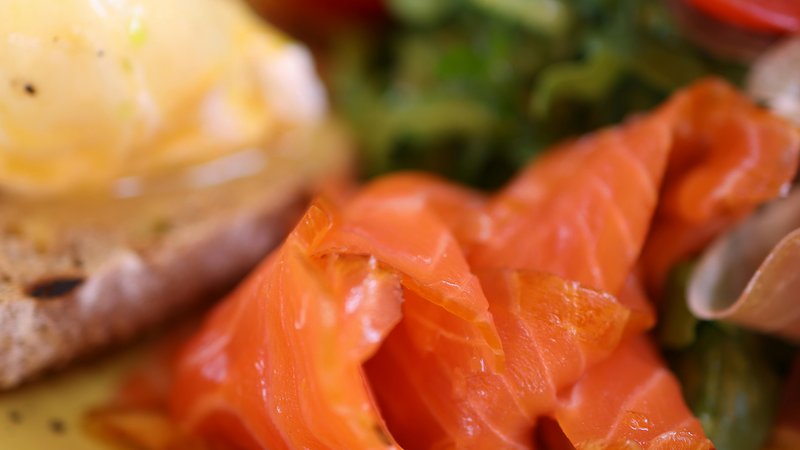
Many dog owners wonder: can dogs eat smoked salmon as an occasional treat? The short answer is no — smoked salmon is not considered safe for dogs. Despite salmon being a nutritious protein source in its plain, cooked form, the smoking process introduces serious risks that make this particular preparation dangerous for your pet.
Understanding why smoked salmon poses a threat helps you make better choices for your dog’s diet. From dangerously high sodium levels to harmful bacteria, there are several important reasons to keep this food away from your dog’s bowl entirely.
Nutritional Benefits of Salmon for Dogs
Plain, cooked salmon genuinely offers dogs impressive health benefits. It is rich in omega-3 fatty acids, which support a healthy coat, reduce inflammation, and promote brain function.
Salmon also delivers high-quality protein and essential vitamins like B12 and D. Purina notes that salmon can be a healthy addition to a dog’s diet when prepared correctly — cooked, unseasoned, and boneless.
If you’re exploring fish options for your dog, it’s worth reading about the best fish for dogs to find the safest and most nutritious choices available.

Salt Content and Sodium Concerns in Smoked Salmon
The smoking process relies heavily on salt as a preservative and flavor enhancer. This means smoked salmon contains sodium levels that are far too high for a dog’s system to handle safely.
Excess sodium in dogs can cause vomiting, diarrhea, excessive thirst, and in severe cases, sodium ion poisoning. Even a small amount of smoked salmon can push a dog well beyond a healthy daily sodium threshold.
Dogs with heart conditions, kidney disease, or hypertension face even greater risks from high-sodium foods. Keeping smoked salmon entirely out of reach is the safest approach for all dogs, regardless of size or health status.
Parasites, Bacteria, and Food Safety Risks
Cold-smoked salmon is particularly dangerous because it is not fully cooked. This means it can still harbor parasites and bacteria, including Neorickettsia helminthoeca, the organism responsible for salmon poisoning disease in dogs.
Salmon poisoning disease can be fatal if left untreated. Masterclass explains that symptoms include fever, vomiting, swollen lymph nodes, and loss of appetite — all of which require urgent veterinary care.
Even hot-smoked salmon, which reaches higher temperatures, still carries elevated sodium risks. No form of smoked salmon is considered appropriate for dogs.
Safe Serving Guidelines and Portion Control
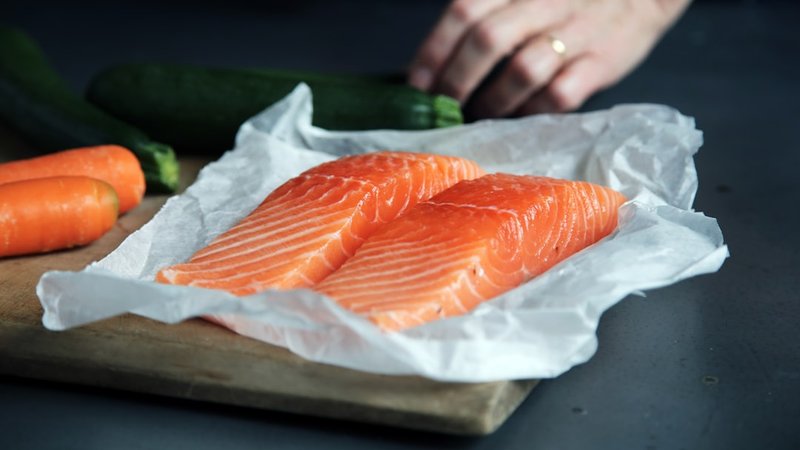
If you want to share fish with your dog, stick to plain, fully cooked salmon with no seasoning, salt, or added ingredients. Remove all bones carefully before serving, as they pose a choking and injury hazard.
Treats and supplemental foods should make up no more than ten percent of your dog’s daily caloric intake. Small portions of plain salmon offered occasionally can be a healthy reward without the risks associated with smoked varieties.
You might also consider safer alternatives like sardines. Learn more about whether sardines in olive oil are appropriate for dogs as a fish-based treat option.
Breed and Age-Specific Considerations
Puppies and senior dogs have more sensitive digestive systems and are at higher risk from toxic foods like smoked salmon. Their bodies are less equipped to process excess sodium or fight off bacterial infections effectively.
Smaller breeds are also more vulnerable because even modest amounts of harmful food can have an outsized impact on their smaller body mass. When it comes to cod vs. salmon nutrition, both offer benefits — but only when served plain and cooked safely.
Regardless of breed or age, the rule is consistent: skip the smoked salmon and opt for safer, dog-friendly fish preparations instead. Your dog can still enjoy the nutritional benefits of fish without any of the associated dangers. Keeping their meals simple and vet-approved is always the best path forward for a long, healthy life.