

Can Dogs Eat Tuna in Spring Water? Safe Guide
If you’ve ever stood in your kitchen holding a can of tuna and watched your dog stare up at you with hopeful eyes, you’ve probably wondered whether sharing a little is safe. The good news is that tuna packed in spring water is generally one of the more dog-friendly options when it comes to canned fish. That said, there are real considerations around mercury exposure, portion sizes, and how often you offer it that every owner should understand before making it a regular treat.
Tuna is not toxic to dogs, and the spring water variety is far preferable to versions packed in brine or oil. But “not toxic” doesn’t automatically mean “serve freely.” Getting the details right makes the difference between a beneficial occasional snack and a habit that quietly builds up health risks over time.
Nutritional Benefits and Protein Content in Canned Tuna
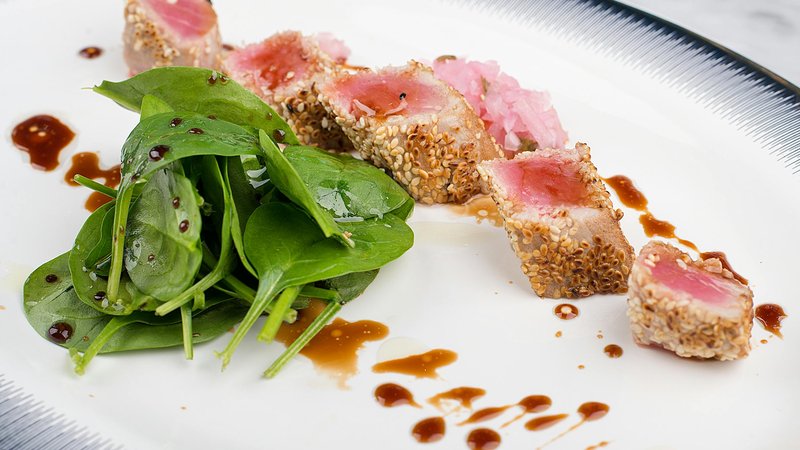
Tuna is a genuinely nutritious fish. It delivers high-quality lean protein, which supports muscle maintenance and energy. It also contains omega-3 fatty acids, which contribute to a healthy coat, reduced inflammation, and improved joint function. B vitamins and minerals like selenium and magnesium round out its nutritional profile. For dogs that tolerate fish well, tuna in spring water can serve as a useful protein supplement, especially for dogs on home-cooked diets that need variety. If you want to explore other fish options alongside tuna, this guide to the best fish for dogs covers a wide range of safe choices and their specific benefits.
Mercury Levels and Health Risks for Dogs
Mercury is the central concern with tuna, and it’s a legitimate one. Tuna is a large, long-lived predatory fish, which means it accumulates mercury through a process called bioaccumulation. Over time, repeated exposure to even small amounts of mercury can damage a dog’s nervous system and kidneys. Light canned tuna (typically skipjack) contains lower mercury levels than albacore or yellowfin varieties, making it the safer choice for dogs. Feeding tuna occasionally rather than daily is the most practical way to manage this risk without eliminating the nutritional benefits entirely.
Safe Serving Sizes Based on Dog Breed and Weight
Portion size matters significantly with tuna. Giving too much, even of a safe food, can cause digestive upset or contribute to mercury accumulation. According to veterinary guidance, medium-sized breeds like Beagles or Cocker Spaniels might do well with around 1/4 cup of tuna per serving, while larger breeds such as German Shepherds or Labradors can handle up to 1/2 cup per serving. Smaller dogs and toy breeds should receive considerably less — think a teaspoon or two at most. Tuna should always be treated as an occasional addition rather than a staple, regardless of breed size. Once or twice a week is a reasonable frequency for most healthy adult dogs.
Spring Water vs. Brine and Oil: Which Preparation Is Best
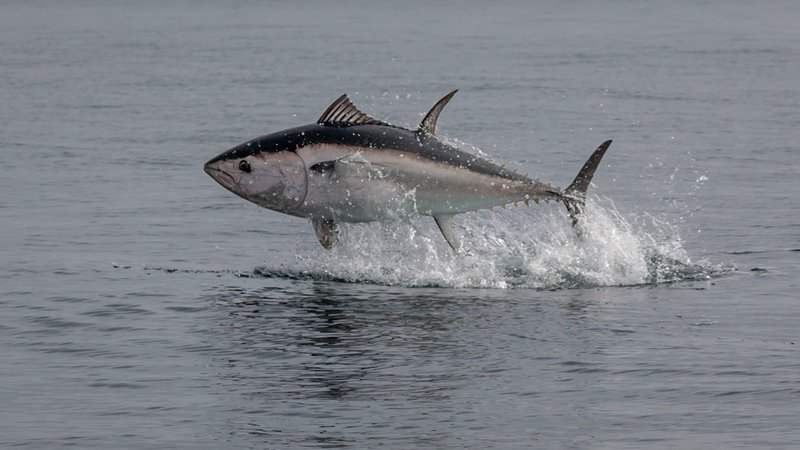
When choosing canned tuna for your dog, the liquid it’s packed in matters enormously. Tuna in brine contains high levels of sodium, which can stress a dog’s kidneys and contribute to dehydration or elevated blood pressure over time. Tuna packed in oil adds unnecessary fat and calories, which can lead to weight gain and, in excess, pancreatitis. Spring water is the cleanest option — it adds no sodium, no extra fat, and no additional ingredients. Always drain the water before serving, and check the label to confirm there are no added seasonings, garlic, or onion, all of which are harmful to dogs. For comparison, this guide on sardines in olive oil explains how oil-packed fish presents its own set of concerns worth understanding.
Age-Specific Considerations for Puppies and Senior Dogs
Age plays a meaningful role in how well a dog handles tuna. Puppies have developing organ systems that are more vulnerable to mercury exposure, so tuna is best avoided or given only in very small amounts until a dog reaches adulthood. Senior dogs with existing kidney disease or compromised liver function should also approach tuna with caution, as their bodies are less equipped to process heavy metals efficiently. Fish allergies are another consideration worth raising. Fish allergy symptoms typically appear between ages one and five and can include hives, swelling, or in rare IgE-mediated cases, anaphylactic shock. If you notice any unusual reaction after introducing tuna, discontinue it immediately and consult your veterinarian. For dogs that handle fish well at any life stage, variety helps — and understanding how smoked salmon compares can help you make more informed choices across different fish options.