
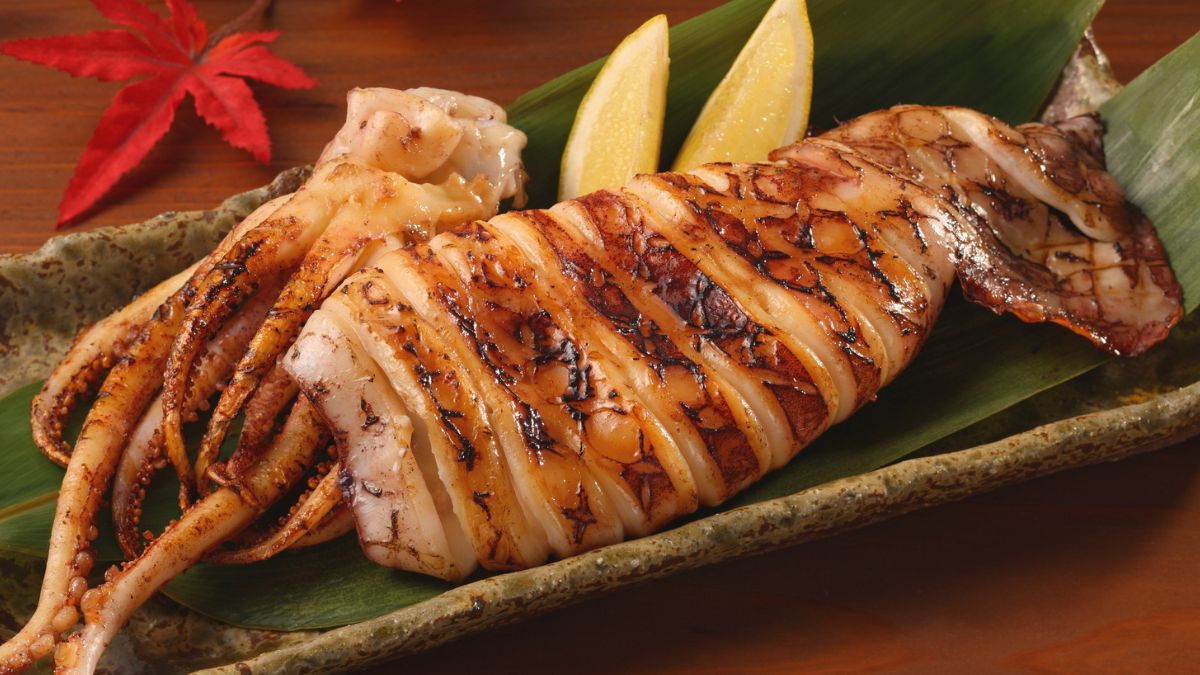
Can Dogs Eat Squid? What Every Dog Owner Needs to Know
Many dog owners find themselves wondering whether seafood is a safe addition to their furry companion’s diet. When it comes to squid specifically, the answer depends heavily on how it is prepared and how much is given at one time.
Dogs can eat squid, but there are important guidelines every owner should follow before adding it to their pet’s meals. Understanding the potential benefits and risks of feeding squid to dogs is the key to keeping your pup both happy and healthy.
The Nutritional Benefits of Squid for Dogs
Squid is a surprisingly nutrient-dense seafood that can offer genuine value to a dog’s diet when given correctly. It contains high levels of protein, omega-3 fatty acids, and essential minerals that support overall canine health.
The omega-3 fatty acids found in squid can contribute to a shiny coat, reduced inflammation, and improved joint health in dogs. These are the same benefits that make fish oil such a popular supplement among pet owners.
Squid also provides a solid dose of zinc, copper, and vitamin B12. These nutrients play important roles in immune function, red blood cell production, and nervous system support.
In small amounts, squid can serve as a tasty, low-calorie treat that packs a meaningful nutritional punch. As with any new food, moderation remains the guiding principle throughout.
Understanding Squid Safety for Dogs
Before feeding squid to your dog, squid safety for dogs is the most critical topic to understand. Not all forms of squid are created equal, and certain preparations can be genuinely harmful to your pet.
Plain, completely unseasoned squid is generally considered safe for dogs. The problems arise when squid is prepared with garlic, onions, heavy salt, or other seasonings that are toxic to canines.
Additives like garlic and onion are particularly dangerous, as even small amounts can damage a dog’s red blood cells. This can lead to a condition called hemolytic anemia, which is serious and potentially fatal if left untreated.
Keeping squid preparation as simple as possible is the best way to protect your dog. Always check ingredient labels if you are considering any store-bought squid products, since many contain hidden seasonings or preservatives.
Cooked Squid for Dogs vs. Raw Preparation
When deciding how to serve squid, the question of cooked squid for dogs versus raw preparation deserves careful consideration. Both options carry different risk profiles that owners should fully understand before serving.
Cooked squid is generally the safer choice for dogs. Light steaming or boiling without any seasoning removes potential bacterial threats while keeping most of the nutritional value intact.
Raw squid can carry harmful bacteria and parasites that may cause digestive upset or more serious illness. Some raw seafood also contains thiaminase, an enzyme that breaks down vitamin B1 and can lead to a nutritional deficiency over time with repeated exposure.
For most dog owners, lightly cooked and plain squid is the most practical and safest route. It eliminates the primary risks while still delivering the nutritional benefits that make squid an appealing treat option.
The Real Risks of Raw Squid for Dogs
Raw squid risks are real and should not be dismissed, even by owners who follow a raw feeding philosophy. Squid can harbor Salmonella, Listeria, and other pathogens that are dangerous to both dogs and the humans handling the food.
Beyond bacterial contamination, the texture of raw squid can sometimes cause digestive upset in sensitive dogs. Vomiting and diarrhea are among the most common reactions seen after a dog consumes raw or poorly prepared squid.
The rubbery texture of squid also poses a potential choking hazard, particularly for smaller breeds. Cutting squid into small, manageable pieces before serving is a simple step that significantly reduces this concern.
Owners should also pay close attention to quantity. Even foods that are considered safe can cause problems when given in excess, and too much squid can contribute to an unbalanced diet or trigger stomach issues.
How to Safely Introduce Squid Into Your Dog’s Diet
If you decide to add squid to your dog’s meal rotation, doing so gradually is the smartest approach. Start with a very small portion and monitor your dog closely for any signs of an allergic reaction or digestive discomfort.
Common signs of a food sensitivity include itching, swelling around the face, vomiting, or loose stools. If any of these symptoms appear after introducing squid, discontinue feeding it immediately and consult your veterinarian.
Always choose fresh, high-quality squid from a reliable source when possible. Avoid pre-seasoned, smoked, fried, or dried squid products, as these often contain ingredients that are genuinely unsafe for dogs.
Once your dog has tolerated a small amount without any issue, squid can become an occasional treat rather than a dietary staple. Keeping portion sizes modest and infrequent ensures your dog receives the benefits without any unnecessary health risks attached.