The Working Dog Breeds Whose Boredom Can Wreck a Small Apartment
Long before dogs became couch companions, plenty of today’s most popular breeds spent their days pulling sleds across frozen tundra, herding scattered sheep, or running alongside hunters through open fields for hours at a stretch. Those jobs demanded enormous stamina, sharp focus, and a body built to keep moving from sunrise to sundown.
That working heritage does not simply switch off because a dog now lives behind drywall instead of on a farm or in a kennel built for sled teams. The instincts and energy reserves bred into these dogs over generations are still fully intact, even when the only open space available is a hallway and a small patch of carpet.
Several of these working breeds have developed something of a reputation for turning pent up energy into household chaos. The Siberian Husky, an endurance athlete originally built to haul heavy sleds across hundreds of miles of frozen ground, requires constant mental stimulation through advanced training and complex puzzles, and without it becomes highly prone to severe anxiety and destructive indoor behavior. Huskies are also notoriously vocal, howling and talking rather than simply barking, and they are skilled escape artists who will treat a confined apartment like a puzzle to be solved.
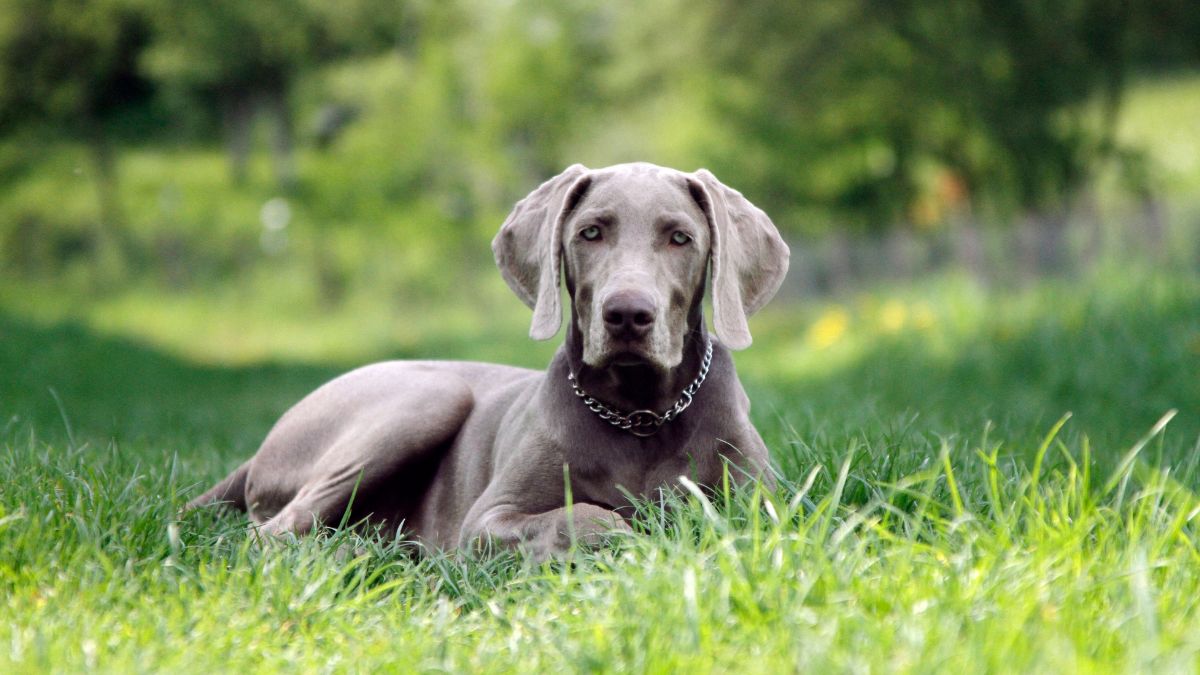
The Weimaraner carries its own version of this problem rooted in its hunting past. Bred to stay close to their handlers in the field, Weimaraners form an incredibly strong attachment to their owners, which makes them highly susceptible to severe separation anxiety, a tendency that becomes even more pronounced in apartment settings where owners regularly have to leave for work. Herding breeds bring a different flavor of trouble. Australian Shepherds carry a deep seated instinct to control movement, and without a yard to run in or sheep to manage, that drive can turn toward herding guests through hallways and elevators instead.
Veterinarians who work with these breeds tend to describe the same underlying issue regardless of the dog’s specific job history. Dr. Wayne M. Johnson, a veterinarian, explained to Rover that daily exercise through long walks, runs, or playtime is essential for high energy dogs, and that mental stimulation through training, puzzles, or agility work matters just as much. He noted that breeds developed for herding or hunting work tend to carry naturally higher energy levels and genuinely thrive only when given an actual job to do.
A chewed door frame or a hole dug into the carpet is rarely random mischief from these dogs. It tends to be the clearest signal a high drive dog can send that its physical and mental needs are not being met, and that more structured activity is overdue. Matching a breed’s working history to a realistic living situation, rather than falling for a striking coat or a famous face, makes the difference between a thriving apartment dog and a daily cleanup project.
For anyone who has come home to a shredded couch cushion courtesy of a husky or an Aussie mid herd, what finally worked to burn off that boundless working dog energy?