The Dog Breeds That Make Training Look Like Second Nature
Every dog owner has experienced that moment of triumph when a new command finally clicks, the eyes lock on, and the sit or the stay lands perfectly. But for some breeds, that moment comes faster, more reliably, and with far less repetition than others. The easiest dog breeds to train tend to share a distinct cluster of qualities that go well beyond simple intelligence, including an eagerness to please their people, high food motivation, and a deeply ingrained history of working in close partnership with humans.
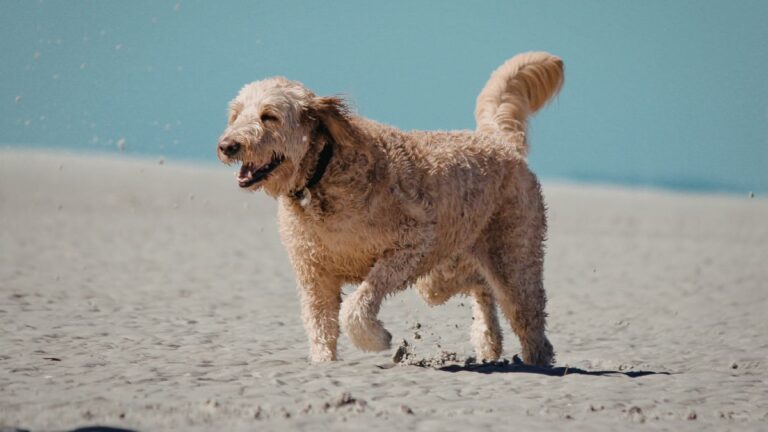
Breeds that were historically developed for tasks like herding, retrieving, or guarding often possess high levels of intelligence and problem-solving ability, which makes them quick learners and more responsive to training. This history matters more than many owners realize. Dogs that were bred for specific purposes needed to work closely with humans and understand commands, and this selection for cooperation laid the foundation for the trainable temperaments we see in these breeds today.
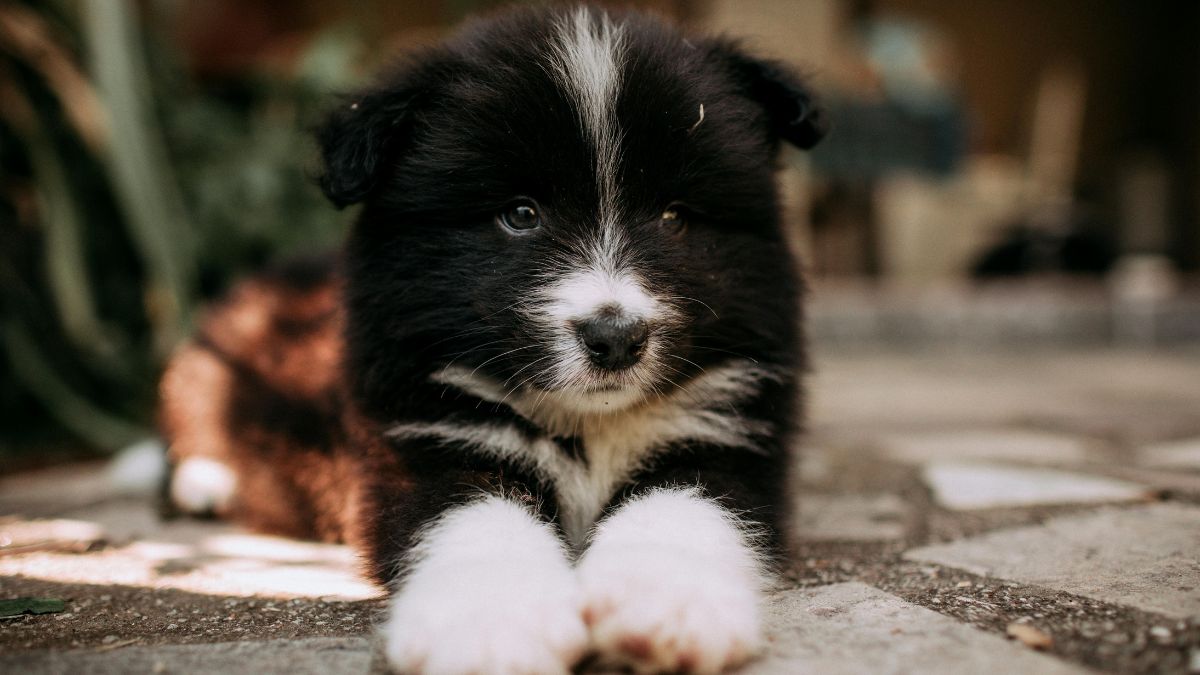
At the top of nearly every ranking sits the Border Collie. In psychologist Stanley Coren’s comprehensive research into canine intelligence, the most trainable breeds were capable of learning new commands within just five repetitions and obeying a known command on the first try ninety-five percent of the time or more. Coren’s work placed the Border Collie at the very top of his rankings, with the Poodle coming in second and the German Shepherd third. German Shepherds are often used in police and military roles precisely because of their trainability, and with proper socialization they adapt easily to life as family companions as well.
The Labrador Retriever and Golden Retriever round out the upper tier of trainable breeds, and both owe their cooperative natures to their working roots. Labs are often used as working dogs, tasked with everything from drug detection to search and rescue operations, and their sociable nature and kind temperament make them great family dogs alongside their professional roles. Golden Retrievers were originally bred as hunting companions, and that natural passion for working alongside people directly fuels their responsiveness to positive reinforcement methods. Labs and Goldens are both highly food-motivated, and that drive, combined with their eagerness to please, makes them among the most enthusiastic and consistent learners of any breed.
The Shetland Sheepdog, often overlooked in favor of flashier working breeds, belongs firmly in this conversation as well. Bred as herding dogs, Shelties are known for their strong desire to please their owners and shine in agility and obedience tasks, with Coren ranking them sixth out of more than one hundred thirty breeds for intelligence. Often described as shadow dogs for the unshakeable bonds they form with their humans, Shelties combine that loyalty with an eagerness to be obedient that makes training sessions feel genuinely collaborative.
One important caveat runs beneath all of this. Just because a dog is easy to train does not mean it will be a good match for every home. Many of the most trainable breeds are highly intelligent dogs that were bred to do active jobs, and they maintain that drive to learn and work, meaning they will not be happy being home alone all day. When highly intelligent, high-energy dogs are not trained or given a job, they can actually develop behavioral issues, so selecting one of these breeds means committing not just to training, but to exercising and engaging them consistently. For owners ready to meet that challenge, though, the reward is a bond built on communication and trust that few things in life can match.
If you share your home with one of these brilliant breeds, what has been the most surprising or rewarding command or skill you have taught them?