Canva

The Pups That Prove You Don’t Need a Garden Gate to Give a Dog a Great Life

For many city dwellers and apartment renters, the dream of owning a dog comes with a nagging doubt. Without a backyard, a stretch of grass, or a garden to let a dog roam freely, is it really fair to bring one home? It is a question that weighs on a lot of well-meaning animal lovers, and vets say the worry, while understandable, is often misplaced.

Around 62 percent of renters have at least one dog in their rented living space. The reality of modern pet ownership has long outpaced the assumption that dogs need sprawling outdoor space to thrive. Dr. Aimee Warner, resident veterinarian at Waggel, puts it plainly: “Some dog breeds are simply better suited to small living arrangements due to size, temperament, or energy. Provided owners are committed to a daily walk, playtime, and activities, many dogs can live happily without a yard.”

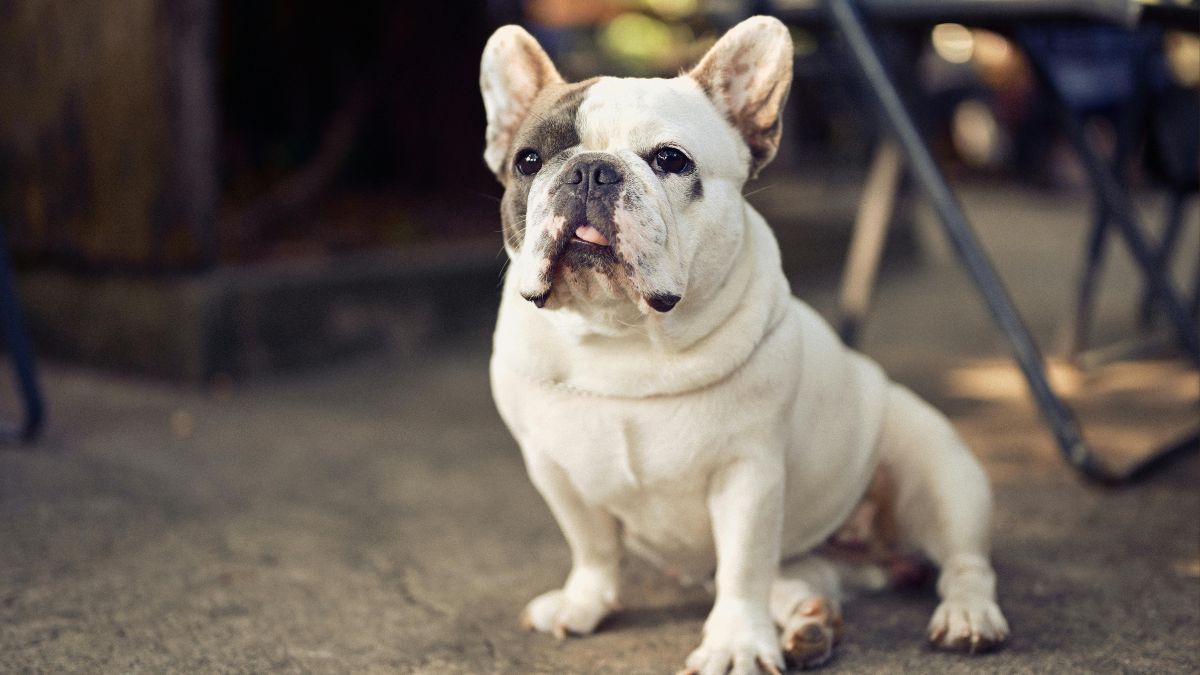
What matters far more than square footage is the right match between owner and breed. Parade Pets consulted Dr. Julie Hunt, a veterinarian and Embrace Pet Insurance contributor, who identified five breeds whose temperaments, exercise needs, and personalities make them genuinely well-suited to yard-free living. Topping the list is the French Bulldog, a breed whose flat-faced anatomy actually makes a case against heavy exercise. Dr. Hunt explains that because the French Bulldog is a brachycephalic breed, it generally does not do well with a large amount of exercise and “would be just as happy with a short to moderate length leash walk daily with some playtime with toys.”

The Cavalier King Charles Spaniel earns its place thanks to a deeply adaptable nature that has been centuries in the making. Cavalier King Charles Spaniels were originally bred to lay around in palaces, and today they remain content with cuddling and indoor play, happy wherever their owner happens to be. Then there is the Havanese, the only dog breed native to Cuba, known for an affectionate, friendly, and devoted personality, a generally quiet disposition, and an ability to release a great deal of energy indoors through play.

The Pekingese rounds out the list with a history that mirrors its temperament. Originally bred as companion pets for Chinese royalty, the Pekingese is a lower-energy dog whose exercise needs can be met without a backyard, though daily leash walks are still recommended. The Pug also earns a well-deserved spot, with indoor playtime and short walks fully meeting its exercise needs, no backyard required. Even-tempered, affectionate, and unlikely to disturb the neighbors with excessive barking, Pugs are quick to befriend people of all ages and get along well with other pets when properly socialized.

None of this means city dogs have it easy without effort from their owners. Even low-energy breeds need at least 30 minutes of daily exercise, which can be broken up into short walks throughout the day. The commitment is real, but the reward for getting the breed right is a dog that is genuinely, tail-waggingly content in whatever space you call home.

If you share your apartment or yard-free home with a dog, which breed made city life feel complete for you?


Similar Posts

  • The Everyday Habits That Break Your Dog’s Heart Without You Ever Knowing

    Dogs have lived alongside humans for thousands of years, learning to read our moods, match our rhythms, and forgive us endlessly. That loyalty and patience, so freely given, can also make it dangerously easy to miss when something is quietly wrong. Most dogs will never bark loud enough to tell you when they are hurting,…

  • Too Busy to Walk the Dog? This AI Robot Dog Has You Covered

    Busy professionals now have a surprising new helper for their daily dog walks thanks to advanced robotics. The famous four-legged robot Spot from Boston Dynamics recently demonstrated an impressive skill that feels straight out of a futuristic movie. In a new video the robot read a handwritten task list picked up a leash and calmly…

  • Meet the Lion-Like Dog Breed That Is Fiercely Loyal but Can Be Stubbornly Independent

    There are certain dog breeds that stop you in your tracks the moment you see them, and the Chow Chow is absolutely one of them. With a thick, flowing mane and a striking blue-black tongue, this breed looks less like a household pet and more like something out of a fantasy novel. It is one…

  • 5 ways Vacation Routines Stress your Pet: Psychology Science most owners Miss

    Vacations are exciting for humans, but for pets, they can feel confusing, stressful, and even scary. Many animals rely on routine to feel safe, so small travel changes can trigger anxiety in ways owners do not expect. The science is simple: pets read patterns, smells, and body language, not calendars. These five overlooked vacation habits can raise stress fast, even in calm pets, and knowing them helps you prevent problems before they start. A few small adjustments can make travel days easier for everyone.
    1. Packing Early Signals “Something Is Wrong” to Your Pet
    When you start pulling out suitcases, your pet often notices before you do. Many animals link luggage with separation, which can trigger anticipatory anxiety. Dogs and cats are experts at pattern recognition, so even quiet packing can create stress because it predicts a major change. Some pets respond by pacing, whining, hiding, or becoming clingy. Others may stop eating or start acting unusually alert. Psychology research on animal behavior shows that uncertainty is often more stressful than the event itself. Packing in smaller steps, keeping normal routines, and adding calm activities can reduce the buildup of anxiety.
    2. Your Mood and Body Language Change More Than You Realize
    Vacation prep usually comes with stress, rushing, and distraction. Pets notice that shift immediately because they rely heavily on your tone, facial expression, and energy. Even if you are excited, the fast movement, shorter patience, and unusual household noise can signal danger to an animal’s brain. This is especially true for anxious dogs and sensitive cats. Behavioral science shows that animals can mirror human stress through increased vigilance and restlessness. A pet may start shadowing you, refusing naps, or becoming reactive. Slowing down, using a calm voice, and keeping playtime normal can make a big difference.
    3. Skipped Walks, Late Meals, and Broken Timing Disrupt Safety Signals
    Many owners think pets will adjust easily to vacation timing changes, but routine is a major source of security for most animals. Meals, walks, and bedtime create predictable anchors that tell a pet their world is stable. When those anchors shift, stress rises, especially in dogs who depend on consistent potty breaks and activity. Cats can also become unsettled when feeding schedules change, which may lead to hiding, vocalizing, or litter box issues. Studies on animal stress show that predictable patterns lower cortisol over time. Even on travel days, keeping timing as close as possible helps pets stay calmer.
    4. New Smells and Spaces Can Trigger Overload, Not Curiosity
    People often assume pets will be excited by a new place, but unfamiliar environments can overwhelm them. Animals process the world through scent and sound, so hotels, rentals, or relatives’ homes can feel like sensory overload. New cleaning products, unfamiliar pets, strange floors, and different noises can raise stress quickly. Dogs may become hyper-alert, bark more, or refuse to settle. Cats may hide for hours or stop eating. Animal behavior research shows that novelty is not always enriching, especially when the pet has no control. Bringing familiar bedding, toys, and maintaining a quiet corner helps reduce that overload.
    5. Handing Them Off to a Sitter Without a Transition Creates Separation Shock
    Even if you trust your sitter, your pet may not. A sudden handoff can feel like abandonment to an animal that does not understand travel plans. Dogs may respond with barking, destructive behavior, or loss of appetite. Cats may become withdrawn, refuse interaction, or show stress through litter changes. Psychology studies on attachment show that animals form strong bonds and feel distress when those bonds are disrupted without a predictable transition. A short meet-and-greet, a trial visit, or a practice overnight can reduce stress dramatically. Familiar scents, written routines, and consistent feeding also help the sitter maintain stability.

  • This Little Dog Is Terrified of the Vacuum but Refuses to Leave Her Owner’s Side

    Most dogs have a well-documented nemesis, and for a great many of them, that enemy comes in the form of a loud, rumbling vacuum cleaner. Holly, however, decided that fleeing was simply not an option. Despite being visibly terrified every time the machine roared to life, this little pup made a choice that melted hearts…