The Popular Dog Breeds Most Likely to Struggle With Their Joints, According to Vets
There are few things harder to watch than a beloved dog slowing down, reluctant to climb stairs or struggling to rise from a nap. Joint disease is one of the most common health challenges in dogs, and while it can affect any breed at any age, some dogs carry a significantly heavier genetic burden than others when it comes to the health of their hips, elbows, and surrounding tissue.
Hip dysplasia is hereditary and especially common in larger dogs, and factors such as excessive growth rate, certain types of exercise, improper weight, and unbalanced nutrition can magnify this genetic predisposition from early puppyhood onward. According to Cornell University College of Veterinary Medicine, canine hip dysplasia is a common inherited orthopedic condition that occurs when the hip joint forms incorrectly, leading to looseness or laxity, and over time that laxity causes arthritis to develop, bringing pain and discomfort. Early diagnosis, the Cornell team notes, often results in the best patient outcomes.
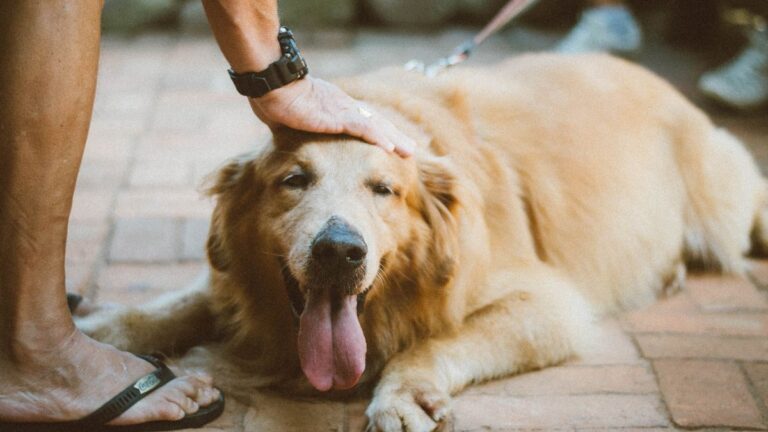
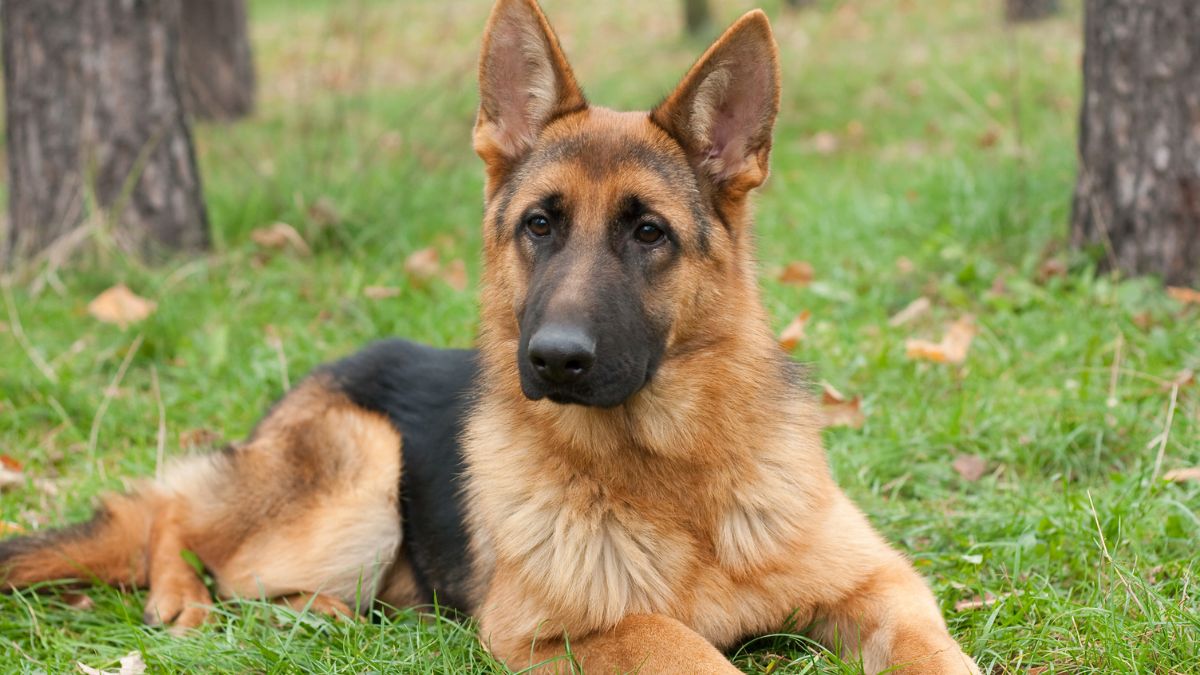
Veterinarian Dr. Mark dos Anjos, writing for Parade Pets, identified seven breeds that owners need to monitor most closely. The German Shepherd sits near the top of nearly every veterinary list on this subject. Data shows that nearly one in five German Shepherds are affected by hip dysplasia, driven by selective breeding practices that produced the breed’s distinctive sloped hindquarters, a conformation that places ongoing stress on the joint. Labrador Retrievers and Golden Retrievers follow closely. Both breeds carry strong genetic risks for hip dysplasia and are prone to weight gain, and studies show that being overweight significantly worsens symptoms including pain, reluctance to exercise, and difficulty getting up.
The Great Dane, Saint Bernard, Rottweiler, and Bernese Mountain Dog round out the list, each carrying their own distinct vulnerabilities. Saint Bernards need treatment early to slow the development of arthritis, while the Bernese Mountain Dog grows so rapidly from puppyhood to adulthood that the speed of that growth can itself affect how the hip joints develop. About a quarter of all Bernese Mountain Dogs are affected by hip dysplasia, with symptoms sometimes appearing in puppies as young as four months old, and elbow dysplasia is also hereditary in the breed, leading to pain and arthritis through developmental abnormalities in the elbow joint. Rottweilers, meanwhile, are particularly vulnerable to weight-driven joint breakdown due to their dense and muscular build.
The signs that something is wrong can be easy to miss in stoic breeds. Common indicators include limping, reluctance to climb stairs, difficulty rising, reduced playfulness, excessive licking of joints, and personality changes caused by ongoing discomfort. When owners notice these signs, proactive care matters enormously. Management plans for dogs with arthritis or joint disease may include joint supplements, weight management, activity modification, low-impact exercise, physiotherapy, and in some cases surgery, with glucosamine and chondroitin among the most commonly recommended long-term supplements to help reduce inflammation and slow joint damage.
Owning any of these breeds is a deeply rewarding experience, but it comes with a responsibility to stay ahead of what their bodies are predisposed to. Keeping dogs lean and well-muscled is one of the most effective things an owner can do to protect their hips and joints, paired with choosing exercises appropriate for the dog’s body type and age. If your dog is one of these breeds, or if you have already navigated joint disease with a beloved companion, share what worked for you and what you wish you had known sooner in the comments below.