Canva

The Doodle Breeds That Demand Far More Than You Might Expect

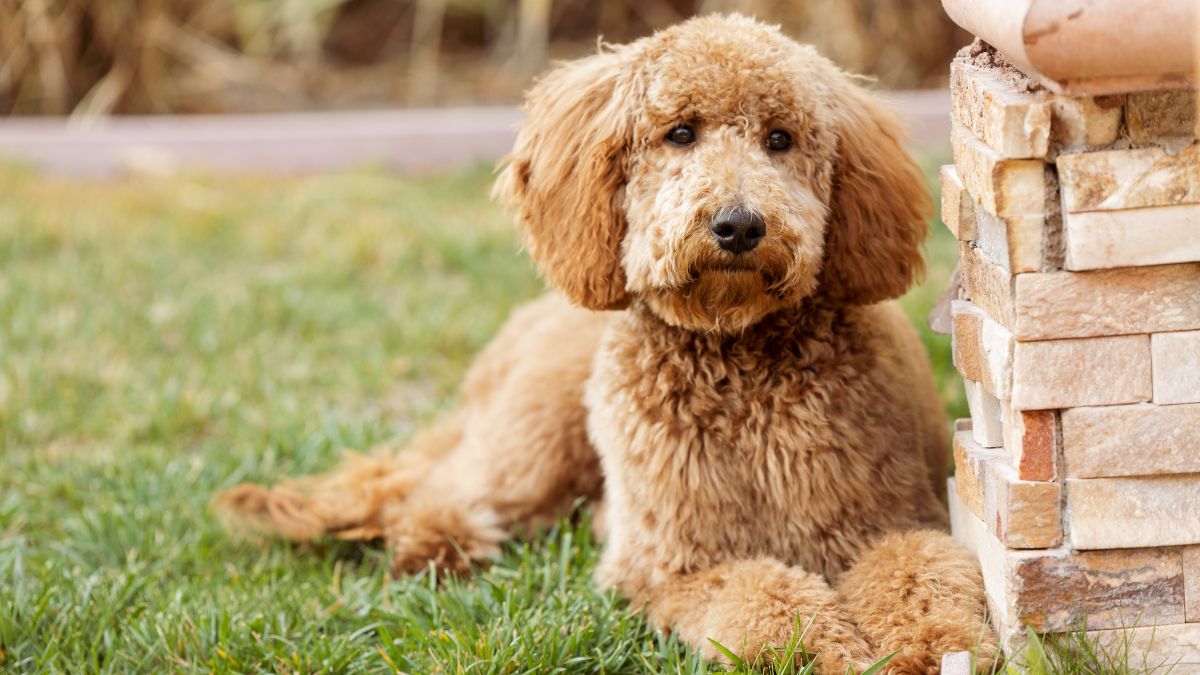
Few dogs have captured the imagination of pet lovers quite like the Doodle. With their teddy bear faces, bouncy personalities, and reputation for being allergy-friendly and easy to keep, these Poodle hybrids have become one of the most sought-after dogs in the world. The appeal is understandable, but veterinary professionals and groomers are increasingly pushing back on the narrative that Doodles are a low-effort choice.

A big part of the Doodle’s popularity has to do with its reputation for being hypoallergenic, but contrary to popular belief, no dog is fully hypoallergenic, as pet allergens include proteins found in skin cells, saliva, and urine rather than fur alone. A published study in the journal Animals found that many people believe Doodles to be non-shedding, hypoallergenic, and low maintenance, but the reality of owning one does not always match those expectations. The gap between expectation and reality is where things get complicated for many first-time Doodle owners.

Veterinarian Dr. Mark dos Anjos, writing for Parade Pets, identified the Labradoodle and Goldendoodle as the two highest-maintenance Doodles available. Labradoodles are considered high-maintenance due to their high exercise requirements and tendency toward destructive behavior when those needs go unmet, while their coats require daily brushing to prevent painful matting and tangles. Because both Standard Poodles and Labrador Retrievers are prone to hip dysplasia, Labradoodles face an elevated risk of the condition, and their floppy ears leave them susceptible to chronic ear infections. Goldendoodles share many of those same concerns. They do not shed heavily into their environment, but like the Poodle, they shed beneath the curly coat and will mat badly without thorough daily brushing, and hip dysplasia is equally a concern since both Golden Retrievers and Standard Poodles carry a predisposition to the disease.

The Aussiedoodle rounds out the high-energy end of the list. One reason these dogs are considered particularly high-maintenance is their energy level, which runs significantly higher than most other Doodle types, because Aussiedoodles are bred from herding stock that requires more mental and physical stimulation than the average dog and are not well suited to apartment living. Across Doodle breeds, mats that are left untreated can pull tightly on the skin, cause discomfort, trap moisture and bacteria close to the surface, and in severe cases restrict airflow enough to create serious skin conditions. Professional grooming every six to eight weeks is the standard recommendation for all of them, on top of daily brushing at home.

The concern from the veterinary community goes beyond coat care. Speaking to Kinship, veterinarian Dr. Han offered a candid assessment, saying people expect Doodles to be hypoallergenic, easy-going, and completely healthy, but that is not realistic, and first-time dog owners are sometimes caught off guard by the grooming needs, energy levels, and potential health issues involved. One groomer quoted in the same piece noted that Doodles frequently arrive at the salon severely matted, pointing to breeders consistently promoting a low-maintenance image as part of the problem.

None of this means that Doodles are not wonderful dogs, because for the right owner they clearly are. It simply means that the fluffy exterior comes with real responsibility attached. Anyone who has gone through the steep learning curve of Doodle ownership, or anyone still considering it, is welcome to share what surprised them most in the comments.

Similar Posts

  • The Five Dog Breeds That Run the Household, With or Without Anyone’s Permission

    Not every dog arrives ready to please. Some breeds carry a settled, unshakeable conviction that the household exists on their terms, commands are largely optional, and the humans sharing their space should consider themselves fortunate for the arrangement. These are not badly trained dogs. They are, in most cases, exactly what centuries of deliberate breeding…

  • A Cat Rolling Its Eyes at Its Owner’s Dance Moves Has Made Millions of People Laugh

    If you have a cat, you already know they can be brutally unimpressed with just about anything you do. But one tabby cat recently took that attitude to a whole new level, and the internet absolutely lost it. The clip shows a striped cat watching its owner bust some moves to a Cardi B song….

  • Hero Dog Leads Florida Deputy to His Injured Owner and Goes Viral

    Sometimes all it takes is one good dog to remind you that the world is still a pretty wonderful place. A heartwarming story out of Okaloosa County, Florida recently captured the attention of people everywhere after a loyal pup stepped up in the most incredible way to save his elderly owner. The whole thing was…

  • 5 ways Vacation Routines Stress your Pet: Psychology Science most owners Miss

    Vacations are exciting for humans, but for pets, they can feel confusing, stressful, and even scary. Many animals rely on routine to feel safe, so small travel changes can trigger anxiety in ways owners do not expect. The science is simple: pets read patterns, smells, and body language, not calendars. These five overlooked vacation habits can raise stress fast, even in calm pets, and knowing them helps you prevent problems before they start. A few small adjustments can make travel days easier for everyone.
    1. Packing Early Signals “Something Is Wrong” to Your Pet
    When you start pulling out suitcases, your pet often notices before you do. Many animals link luggage with separation, which can trigger anticipatory anxiety. Dogs and cats are experts at pattern recognition, so even quiet packing can create stress because it predicts a major change. Some pets respond by pacing, whining, hiding, or becoming clingy. Others may stop eating or start acting unusually alert. Psychology research on animal behavior shows that uncertainty is often more stressful than the event itself. Packing in smaller steps, keeping normal routines, and adding calm activities can reduce the buildup of anxiety.
    2. Your Mood and Body Language Change More Than You Realize
    Vacation prep usually comes with stress, rushing, and distraction. Pets notice that shift immediately because they rely heavily on your tone, facial expression, and energy. Even if you are excited, the fast movement, shorter patience, and unusual household noise can signal danger to an animal’s brain. This is especially true for anxious dogs and sensitive cats. Behavioral science shows that animals can mirror human stress through increased vigilance and restlessness. A pet may start shadowing you, refusing naps, or becoming reactive. Slowing down, using a calm voice, and keeping playtime normal can make a big difference.
    3. Skipped Walks, Late Meals, and Broken Timing Disrupt Safety Signals
    Many owners think pets will adjust easily to vacation timing changes, but routine is a major source of security for most animals. Meals, walks, and bedtime create predictable anchors that tell a pet their world is stable. When those anchors shift, stress rises, especially in dogs who depend on consistent potty breaks and activity. Cats can also become unsettled when feeding schedules change, which may lead to hiding, vocalizing, or litter box issues. Studies on animal stress show that predictable patterns lower cortisol over time. Even on travel days, keeping timing as close as possible helps pets stay calmer.
    4. New Smells and Spaces Can Trigger Overload, Not Curiosity
    People often assume pets will be excited by a new place, but unfamiliar environments can overwhelm them. Animals process the world through scent and sound, so hotels, rentals, or relatives’ homes can feel like sensory overload. New cleaning products, unfamiliar pets, strange floors, and different noises can raise stress quickly. Dogs may become hyper-alert, bark more, or refuse to settle. Cats may hide for hours or stop eating. Animal behavior research shows that novelty is not always enriching, especially when the pet has no control. Bringing familiar bedding, toys, and maintaining a quiet corner helps reduce that overload.
    5. Handing Them Off to a Sitter Without a Transition Creates Separation Shock
    Even if you trust your sitter, your pet may not. A sudden handoff can feel like abandonment to an animal that does not understand travel plans. Dogs may respond with barking, destructive behavior, or loss of appetite. Cats may become withdrawn, refuse interaction, or show stress through litter changes. Psychology studies on attachment show that animals form strong bonds and feel distress when those bonds are disrupted without a predictable transition. A short meet-and-greet, a trial visit, or a practice overnight can reduce stress dramatically. Familiar scents, written routines, and consistent feeding also help the sitter maintain stability.