The Ordinary Foods Sitting in Your Kitchen That Could Transform Your Dog’s Health
Walk through the produce aisle of any grocery store and you are passing a quiet pharmacy for your dog. Blueberries, pumpkin, oily fish, eggs, and bright orange carrots line the shelves looking completely unremarkable, yet veterinary nutritionists and animal scientists have spent years documenting the measurable benefits these everyday ingredients can have on canine health. The overlap between human superfoods and dog superfoods turns out to be more significant than most pet owners realize.
The term superfood refers to whole ingredients that are naturally packed with vitamins, minerals, fiber, antioxidants, and essential fatty acids. Veterinary nutritionists and animal scientists have studied different superfoods and found them to help with slowing down disease, regulating blood sugar, helping with weight management, and boosting energy in dogs. The growing science behind canine nutrition is increasingly pointing in one clear direction: what is good for your plate can be good for your dog’s bowl.
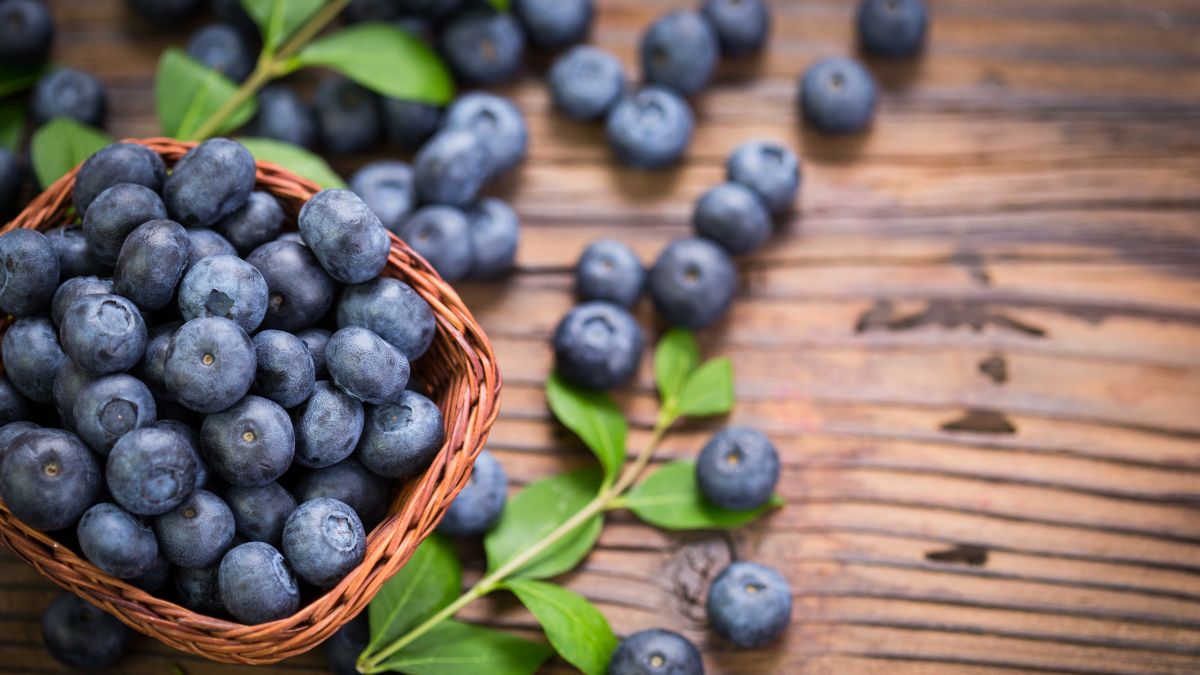
Blueberries are perhaps the most striking example. Loaded with phytochemicals, the deep blue color comes from anthocyanidins, which are potent antioxidants, and blueberries also supply vitamins C and E, manganese, and fiber. A study published in the journal Metabolites examined the effects on oxidative balance in dogs given a blueberry-enriched diet alongside a controlled exercise program, and blueberries were selected over other natural antioxidant ingredients due to their superior palatability and minimal impact on digestibility. They make an effortless treat, bought fresh or frozen, and used in small quantities so as not to disturb digestion.
Equally unassuming is the humble carrot. Carrots are low in calories, high in fiber, promote dental health, provide essential vitamins and minerals, act as antioxidants, and offer hydration, with dogs often enjoying them as a natural, low-calorie treat. Pumpkin occupies a similarly quiet corner of the canine wellness world. Feeding pumpkin to dogs is a great way to help with both mild constipation and mild diarrhea because of its high fiber content, and the fiber in pumpkin can also help slow digestion and the absorption of glucose, which may help dogs maintain steadier blood sugar levels. Veterinarians routinely recommend a spoonful of plain pumpkin puree as a first-line response to mild digestive upset.
Oily fish like salmon, sardines, and anchovies bring their own remarkable profile to the bowl. These cold-water fish are a fantastic source of omega-3 fatty acids that provide anti-inflammatory effects benefiting the skin, coat, joints, and brain, while also delivering protein that helps build and maintain muscle. And eggs, often taken for granted in the human diet, contain fourteen vitamins and twelve minerals. The fatty acids in the egg yolk are used in cells, and many people note the benefits of eggs on the skin and coat, making eggs one of the most nutritious foods a dog can receive.
The science supporting whole-food nutrition for dogs has recently taken a significant step forward. A year-long study led by Dr. Heather Huson, associate professor of animal sciences at Cornell University, found that dogs switched to fresh, minimally processed, human-grade food showed measurable metabolic improvements within just one month. The dogs had lower levels of advanced glycation end products associated with aging and chronic disease, and higher levels of protective metabolites like ergothioneine, carnosine, and anserine, suggesting an increased capacity for antioxidant defense.
Board-Certified Veterinary Nutritionist Joseph Wakshlag, DVM, PhD, who was involved in the research, told The Farmer’s Dog that the magnitude and consistency of the metabolic impacts observed were “quick, sustained, and striking,” with the fresh food shifting dogs’ metabolism toward a profile showing markers for improved muscle and neurological health.
As always, any change to a dog’s diet should be introduced gradually and discussed with a veterinarian, since individual needs vary considerably by age, breed, and health history. Moderation remains the guiding principle, and not every superfood suits every dog equally well.
Have you already been sharing any of these kitchen staples with your dog, and have you noticed a difference in their energy, coat, or digestion since you started?