Rare Breeds That Will Make You Look Twice at the Dog Park
Every dog park has its familiar cast: the golden retrievers, the labradors, the bounding border collies. But every now and then, a dog walks through the gate that makes the whole crowd pause, and in those moments, the world of rare and uncommon dog breeds reveals itself to be far stranger and more spectacular than most people ever imagine.
Some dogs are everywhere and practically rule the sidewalks, but beyond these familiar faces lies a fascinating world of rare breeds that most people never encounter, carrying stories shaped by history, survival, and purpose. Many of the most visually arresting dogs alive today were not designed for beauty but for function, shaped over centuries by the demands of harsh climates, remote landscapes, and very specific jobs that no other animal could do quite so well.
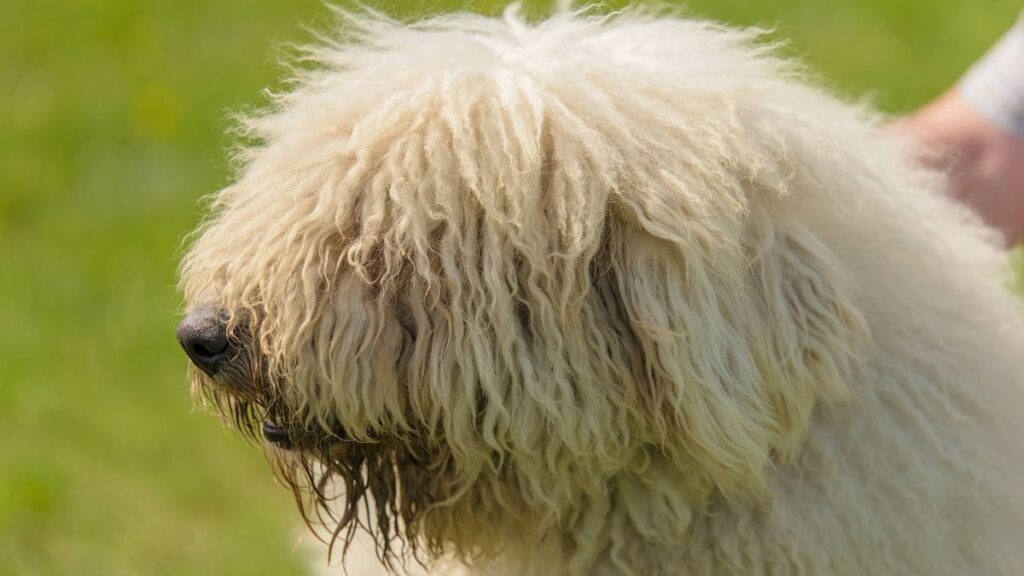
The Komondor, originating in Hungary, is instantly recognizable by its long, corded coat that gives it a mop-like appearance, a feature that originally protected it from predators while guarding sheep. Puppies are born with soft, white, fluffy coats, but by around 8 to 12 months, the coat begins to mat into clumps that will eventually form the extraordinary dreadlocks the breed is known for worldwide. The breed was recognized by the American Kennel Club in 1937, though importation was halted during World War II and the Komondor nearly became extinct in Europe.
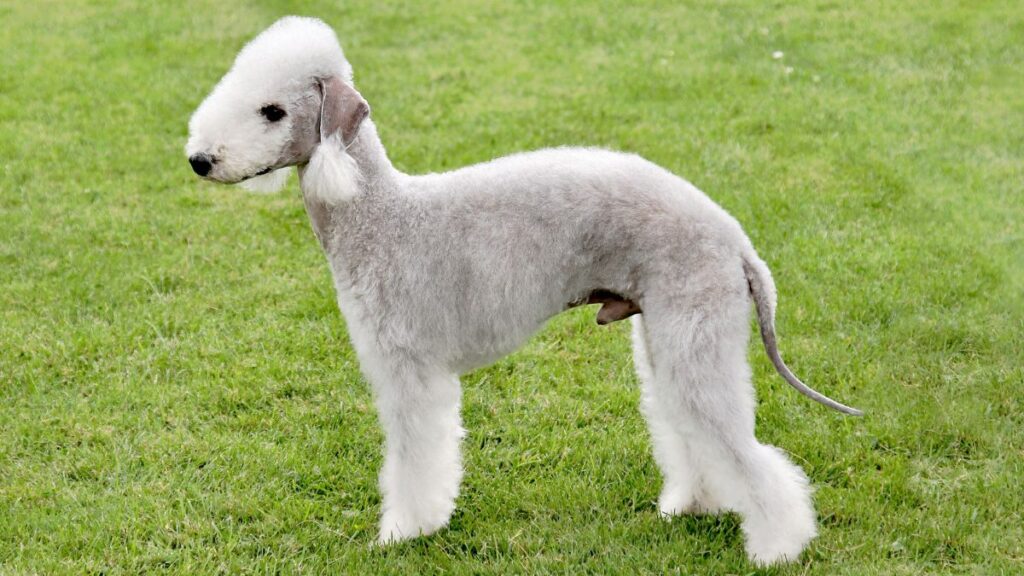
The Bedlington Terrier turns heads with a fluffy, curly coat and a pear-shaped head that makes it look unmistakably like a lamb, a resemblance so consistent that owners grow accustomed to strangers stopping to ask whether they are walking a dog or a sheep. Named for the mining town of Bedlington in northeast England, the breed was originally developed to hunt rats and mice in coal mines, before being prized as a catcher of rabbits, foxes, and even badgers. The Bedlington Terrier Club of America’s motto, “The Head of a Lamb and the Heart of a Lion,” captures precisely the contradiction at the center of this breed, which beneath its gentle appearance carries an endless reservoir of stamina and hunting instinct.
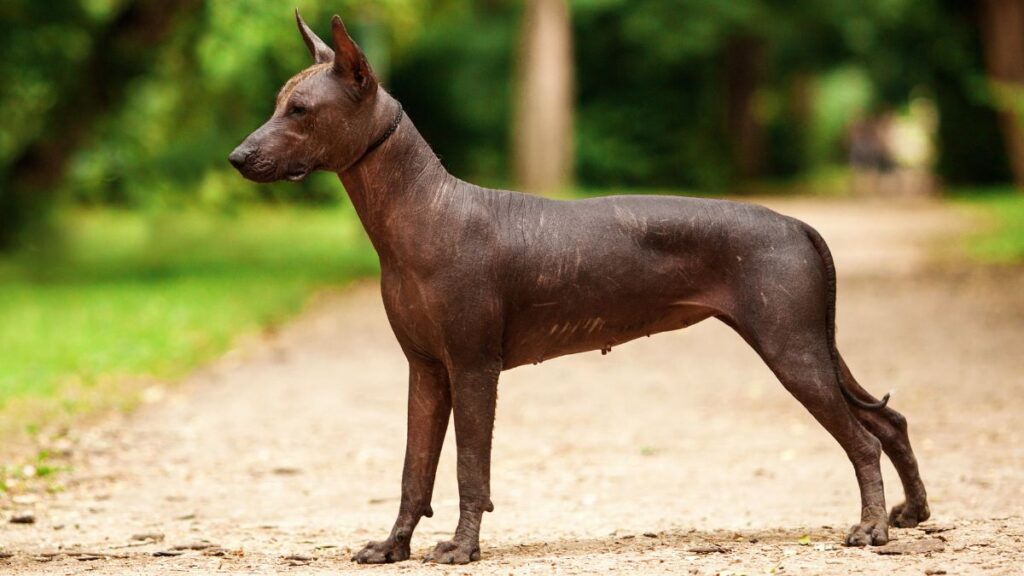
The Xoloitzcuintli, one of the most ancient dog breeds of the Americas, is believed by researchers to have accompanied the earliest migrants from Asia and developed into the breed seen today by at least 3,500 years ago. The Aztecs and Mayans considered these dogs sacred, believing that Xolotl had created them and granted them mystical powers to ward off evil spirits, and that the Xoloitzcuintli could serve as a guide for human souls in the afterlife. Outside Mexico and Central America, the Xolo remains genuinely rare, though its recognition has grown following the release of Pixar’s film Coco, which features a lovable Xolo as its central canine companion.
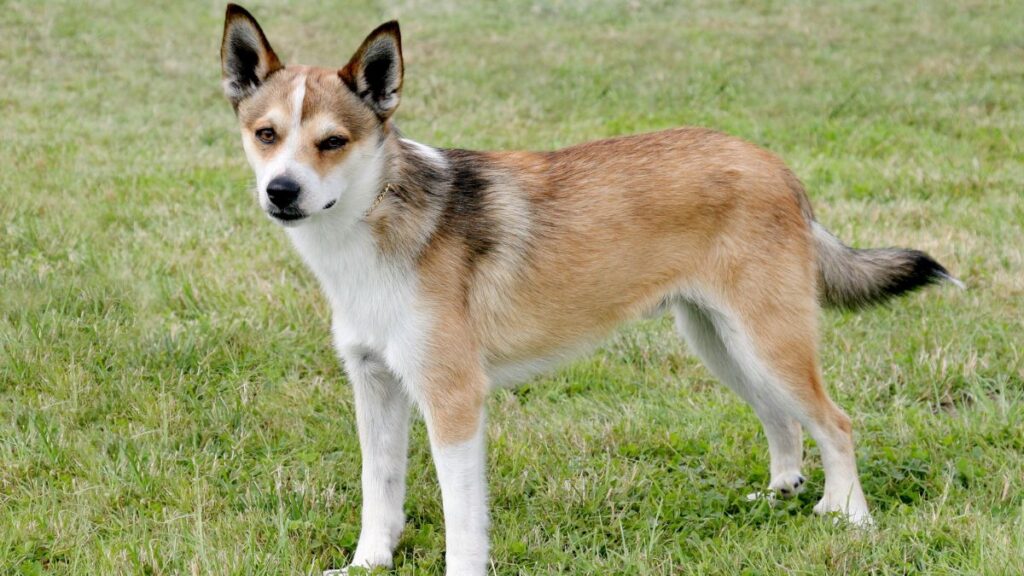
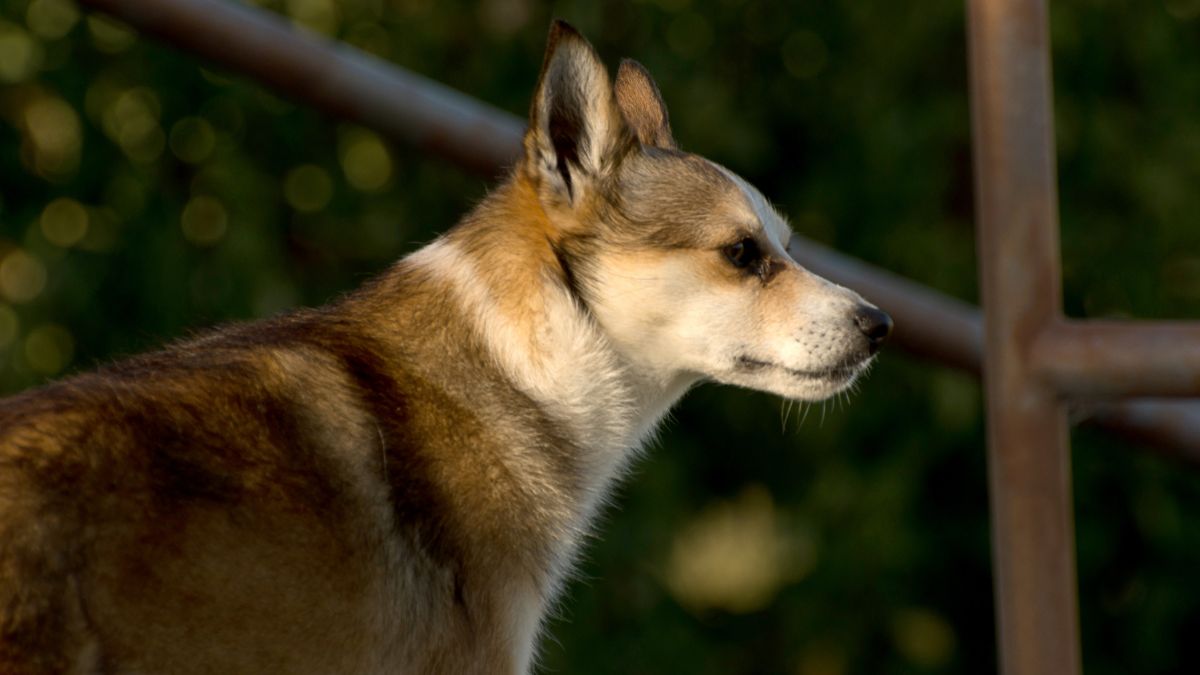
The Norwegian Lundehund is a polydactyl breed, meaning it is born with six fully formed, jointed, and muscled toes on each foot rather than the standard four, an adaptation that helped it navigate the rocky cliff paths of the island of Værøy. Its physical flexibility goes further still, with joints that allow the dog to bend its head backwards along its own spine and fold its ears shut to form a near-tight seal, protecting them from dirt and parasites while hunting in narrow crevices.
Living pieces of cultural heritage and walking works of evolutionary art, these uncommon breeds carry backstories that are as unforgettable as their appearances, and they deserve far more recognition than a passing glance at the dog park gate tends to give them. If you have ever shared your life with one of these rare breeds, or been stopped in your tracks by one, what was the moment that made you realise you were looking at something truly unlike any dog you had ever seen before?