The Hidden Meaning Behind the Way Your Dog Chooses to Sleep Next to You
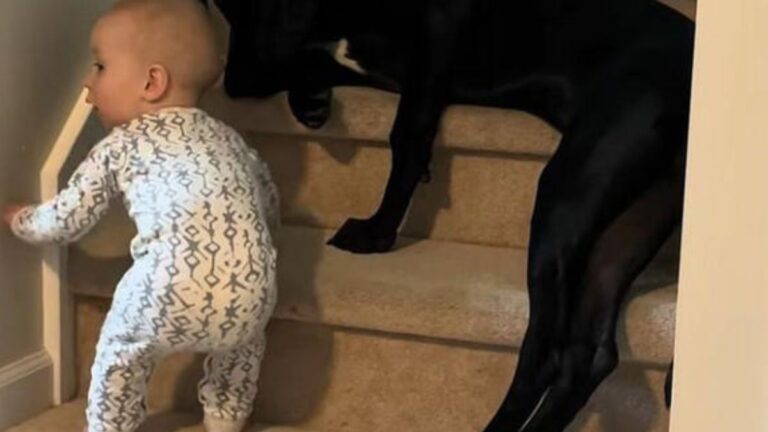
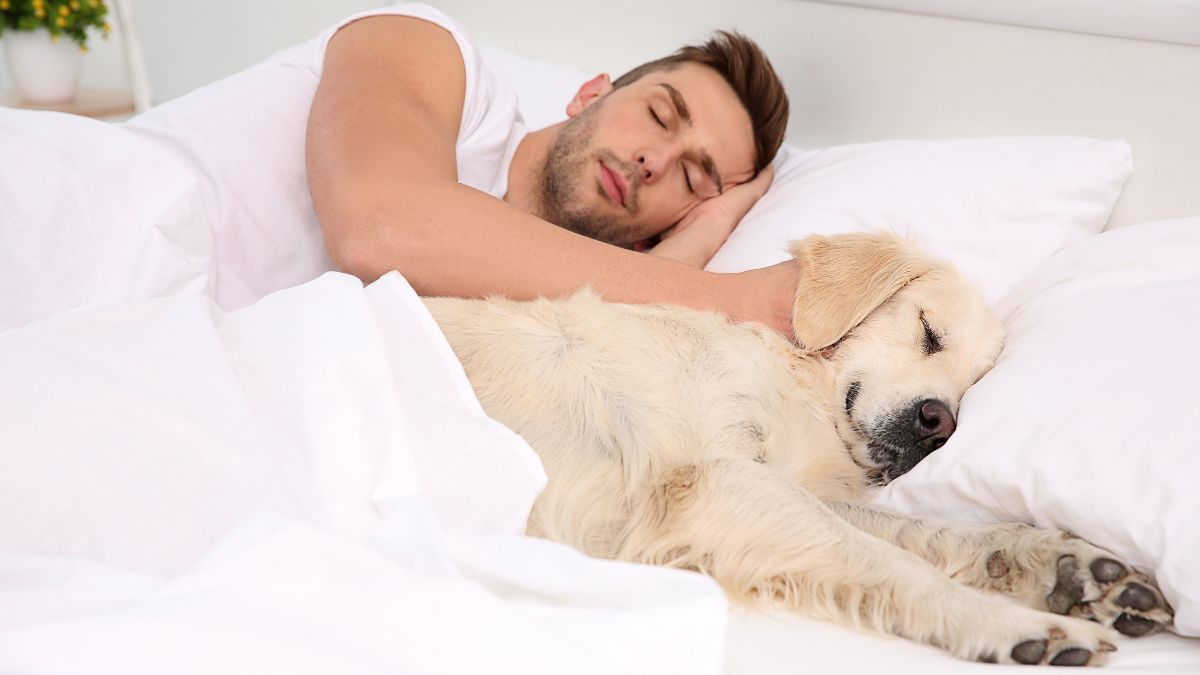
There is something quietly extraordinary about the moment a dog chooses where to settle for the night. Whether they press themselves against your legs, curl at your feet, or arrange their body back-to-back with yours, the sleeping habits of dogs next to their owners carry far more meaning than most people ever pause to consider.
Dogs are descendants of wolves, which are highly social pack animals that sleep close together to regulate body temperature, foster social bonds, and offer protection. This instinct for what behaviorists call sleep security, the drive to seek comfort and safety from a trusted companion during one of the most vulnerable states of rest, has not faded with domestication. It simply redirected itself toward the humans dogs have spent thousands of years learning to love and trust.
Where a dog chooses to press against you while sleeping is rarely an accident. Pressing against you can be an instinctive way to settle and relax, especially during a time of heightened vulnerability, because to a dog, being close to you often means being in the safest place possible. Dogs that choose to sleep at their owner’s feet are often driven by protective instinct, positioning themselves at the furthest point from their owner’s head so they can keep watch over the surrounding space without drifting too far from the person they love.
When a dog sleeps back-to-back, placing their spine against yours or another animal’s, the position carries a clear signal of intimacy and emotional trust. Professional dog trainer Jen Jones, writing for Casper, noted that dogs may choose to sleep this way with one specific person in the home they feel safest with, making it one of the most honest declarations of preference a dog can offer while unconscious.
When a dog sleeps with their hindquarters pointed toward you, it may seem counterintuitive, but this position is in fact a meaningful gesture of trust. By turning their back entirely, they are choosing to rely on you to watch over the space behind them, which in canine communication represents a profound act of confidence. This posture also allows the dog to monitor the room ahead, keeping you protected from a position of gentle vigilance.
A 2022 study published in the journal Animals found that dogs often seek close physical proximity to their owners during rest because it increases feelings of security and social bonding, behavior directly connected to the pack instincts that have shaped canine social life for thousands of years. Research into the neurochemistry of human-dog relationships has also shown that positive physical interactions between dogs and their owners are associated with shifts in oxytocin, the hormone most closely linked to social attachment and trust in mammals.
Whether a dog curls up beside you like a little spoon or sprawls across the bed like a human roommate, their behavior is loaded with meaning, reflecting trust, affection, and the deep social bond that has made dogs and humans such extraordinary companions. The spot your dog returns to night after night is not coincidence but a quiet, consistent declaration of who they feel safest beside. Where does your dog choose to sleep next to you, and does their spot shift depending on the kind of day you both had?