Meet the Ancient Dog Breeds That Still Carry the DNA of the Ice Age
For thousands of years before anyone thought to draw up a breed standard or enter a dog in a show ring, humans and dogs were already building one of the oldest partnerships in nature. That relationship stretches back so far that pinpointing its true beginning has become one of the more stubborn puzzles in modern science.
Most of the dogs trotting down sidewalks today owe their look, and often their temperament, to a relatively recent wave of selective breeding that swept through Europe in the 1800s, when people began shaping dogs around appearance as much as purpose. That era of intense inbreeding for conformation, guided by standards from groups like the American Kennel Club, eventually produced more than 400 recognized breeds.
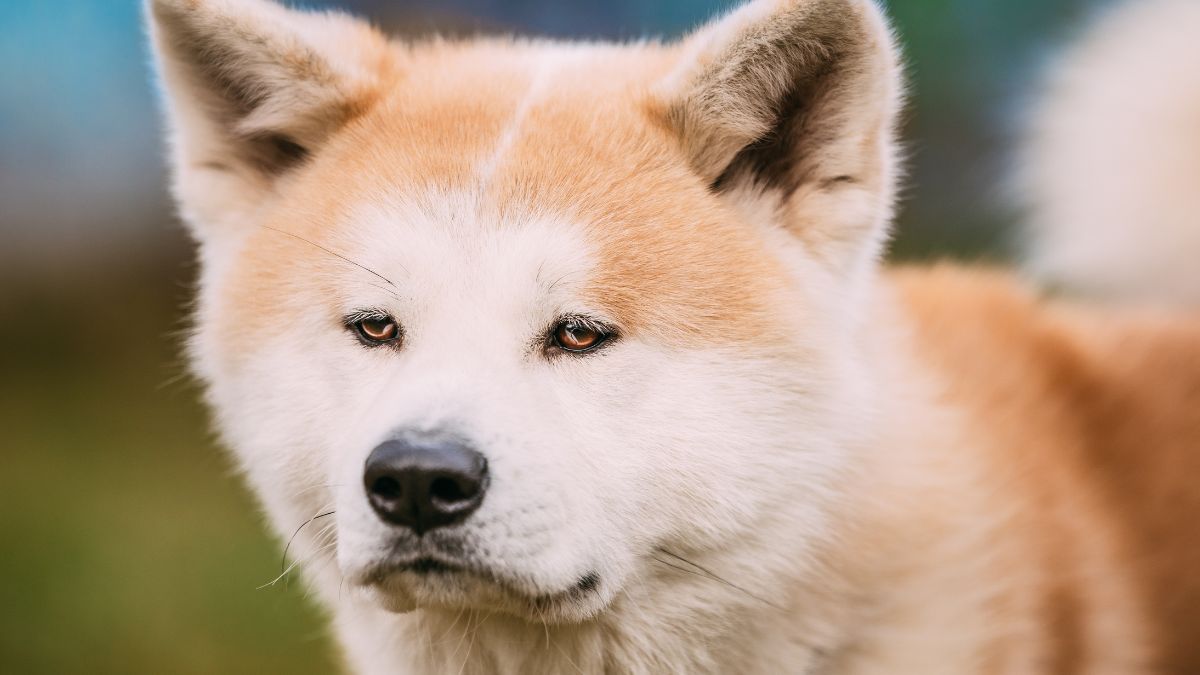
A handful of breeds, though, managed to sidestep that genetic reshuffling almost entirely. Genetic analysis has shown strong statistical support for the basal position of what scientists call ancient or basal breeds, naming the Akita, Basenji, Eurasier, Finnish Spitz, Saluki and Shar-Pei as the lineages with the clearest, least mixed link back to the root of the domestic dog family tree. Their DNA simply was not folded into the wave of cross breeding that blurred the ancestry of so many modern dogs.
The Basenji is often held up as the poster dog for this kind of genetic time capsule. Images resembling the breed appear in ancient Egyptian tomb art, and modern DNA work has continued to back up its reputation as one of the least altered bloodlines in the canine world. Female Basenjis still cycle into heat only once a year rather than twice, a trait shared with wolves and almost no other domestic breed, and the dogs communicate with a distinctive yodel instead of a standard bark.
The Saluki carries its own deep pedigree as a sighthound built for speed across open desert. Often called the royal dog of Egypt, its lineage has been traced back to around 2100 BC. A separate round of genetic research had already flagged thirteen breeds as distinctly divergent from modern dogs, among them the Afghan Hound, Alaskan Malamute, Siberian Husky, Chow Chow, Samoyed, Canaan Dog, New Guinea Singing Dog and the dingo.
Newer fossil and ancient DNA work has pushed the broader dog story back even further than breed genetics alone can reach. Researchers analyzing genetic material from sites in Britain and Turkiye recently identified dogs dating to roughly 16,000 to 14,000 years ago, the earliest confirmed genetic evidence of domestic dogs anywhere, with that ancient population turning out to be more closely related to the ancestors of breeds like boxers and salukis than to Arctic dogs. A separate sequencing project covering 27 ancient dog genomes going back 11,000 years found at least five distinct dog lineages already established by that point, well before agriculture existed anywhere on Earth.
What unites these ancient survivors is less about looks and more about isolation and purpose. Many were shaped for specific working roles such as hunting, guarding or hauling sleds, which left less room for the cosmetic tinkering that reshaped so many companion breeds, and that history shows up today in their genes and their famously independent streaks.
It is a strange thought that a dog curled up on someone’s couch tonight might be carrying genetic echoes of the Ice Age. Which of these ancient breeds feels most like a living link to that distant past to you?