Can Dogs Eat Peaches? Safety Guide for Pet Owners
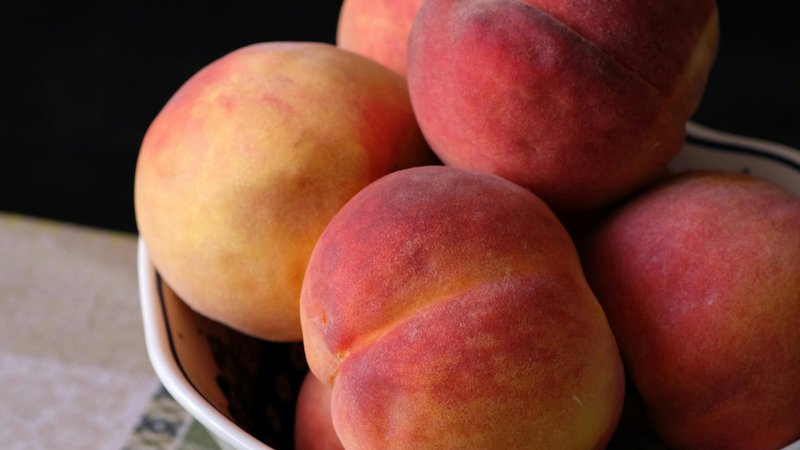
Summer arrives and peaches are everywhere — juicy, fragrant, and impossible to resist. If your dog is eyeing your snack with hopeful eyes, you are probably wondering whether sharing a slice is a good idea.
The short answer is yes, dogs can eat peaches — but only when prepared correctly. There are a few important rules every pet owner needs to know before offering this fruit to their dog.
Nutritional Benefits of Peaches for Dogs
Peaches are not just a tasty treat — they carry genuine nutritional value for dogs. According to MedVet, peaches are high in fiber and vitamin A, which can actively help fight infections.
Vitamin A supports healthy skin, coat, and immune function in dogs. The fiber content also aids healthy digestion, making peaches a surprisingly beneficial occasional snack.
Peaches also contain vitamin C and potassium, both of which contribute to overall cellular health. These nutrients make the fleshy part of the fruit a worthwhile addition to a balanced treat rotation.
Critical Safety Considerations: Pits, Stems, and Leaves
While the flesh of a peach is safe, the pit, stem, and leaves are genuinely dangerous. The pit contains amygdalin, a compound that converts to cyanide when metabolized — and even small amounts can be toxic to dogs.
Beyond the toxicity risk, peach pits are also a serious choking hazard and can cause intestinal blockages. According to PetMD’s guide on stone fruit dangers, these risks apply to all stone fruits, not just peaches.
Always remove the pit completely and dispose of it where your dog cannot access it. Even a discarded pit in a trash can within reach poses a real risk.
Proper Preparation and Serving Methods
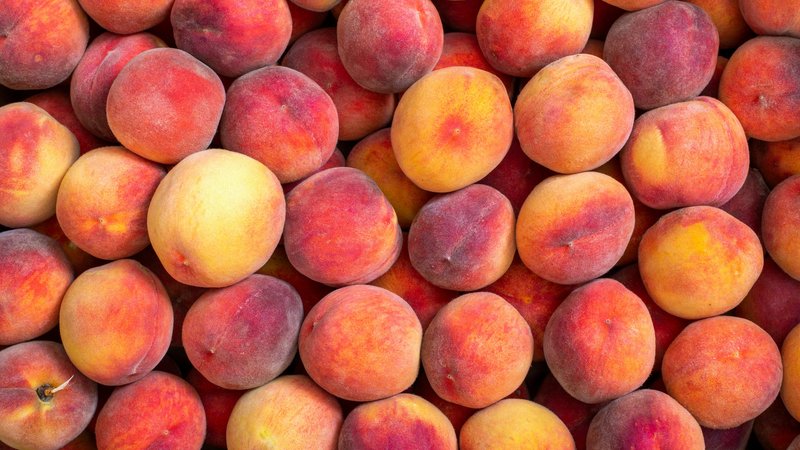
Fresh, ripe peaches are always the safest choice for dogs. Canned peaches should be avoided entirely — they are typically packed in heavy syrup loaded with added sugars that can upset your dog’s stomach and contribute to weight gain.
Wash the peach thoroughly to remove any pesticide residue. Peel the skin if possible, then slice the flesh into small, bite-sized pieces before offering them to your dog.
Never offer dried peaches either. The dehydration process concentrates the natural sugars significantly, making dried fruit far too sweet and potentially harmful in even small amounts. If you enjoy exploring nutrient-rich snacks for dogs, always prioritize whole, fresh ingredients over processed alternatives.
Portion Control and the 90/10 Treat Rule
Even healthy treats need to be given in moderation. Veterinary nutritionists recommend following the 90/10 rule — 90% of your dog’s daily calories should come from a nutritionally balanced dog food, with treats making up no more than 10%.
For most dogs, one or two small peach slices per serving is plenty. Overfeeding any fruit can lead to loose stools or digestive upset due to the natural sugar and fiber content.
If your dog has diabetes, obesity, or any metabolic condition, consult your veterinarian before introducing peaches. The natural sugars, while not excessive, can still affect blood glucose levels in sensitive dogs.
Age and Breed-Specific Guidelines for Safe Consumption
A dog’s age and size both play a role in how well they handle new foods. Puppies have more sensitive digestive systems, so introducing peaches should be done very gradually and in tiny amounts.
Senior dogs may also need extra caution, particularly if they have underlying health conditions. Understanding how dog life stages differ by size and breed helps you make smarter feeding decisions at every point in your pet’s life.
Larger breeds generally tolerate slightly larger portions, while small breeds are more sensitive to sugar and should receive only a single small slice. Large dogs require more food overall, but that does not mean they need more treats — portion ratios should still be scaled thoughtfully.
Always introduce any new food slowly and watch for signs of an allergic reaction, including itching, swelling, or gastrointestinal distress. When in doubt, a quick call to your veterinarian is always the safest step before adding anything new to your dog’s diet.