
Can Dogs Eat Cherries? Safety Guide for Pet Owners
Cherries are a beloved summer fruit, but when it comes to sharing them with your dog, the answer is far more complicated than a simple yes or no. While the flesh of a cherry is not inherently toxic to dogs, several parts of the fruit pose serious dangers that every pet owner needs to understand.
Before you toss your dog a cherry from the bowl, it is worth taking a few minutes to understand exactly what makes this fruit risky. The stakes are genuinely high, and the details matter.
Understanding Cherry Toxicity: Pits, Stems, and Cyanide Content
The primary danger in cherries comes from the pit, stem, and leaves, all of which contain amygdalin. When chewed or crushed, amygdalin breaks down into hydrogen cyanide, a substance that interferes with the body’s ability to use oxygen at the cellular level.
This risk is not theoretical. Cyanide content research found a coefficient of variation of 56.9% for cherries, meaning cyanide levels can vary dramatically even between pits of the same variety. You simply cannot predict how potent any given pit will be.
The variety of cherry also matters. According to toxicity concentration data, consuming as few as 3 to 4 thoroughly chewed Morello pits may be sufficient to reach toxic levels, though the threshold for common sweet cherries is considerably higher.
For a small dog, even a single chewed pit represents a meaningful exposure risk. Larger dogs have more body mass to buffer the effect, but no size makes a dog immune to cyanide toxicity.
Nutritional Benefits vs. Health Risks for Dogs
Cherry flesh does contain beneficial compounds, including vitamin C, vitamin A, fiber, and antioxidants like anthocyanins. These nutrients support immune function and may help reduce inflammation.
However, the nutritional payoff is modest compared to the preparation effort required to make cherries safe. Dogs can obtain the same antioxidants and vitamins from many other fruits that carry zero cyanide risk. If you are already exploring nutritious additions to your dog’s diet, chia seeds for dogs offer omega-3 fatty acids and fiber with none of the toxicity concerns.
Cherries are also relatively high in sugar, which can contribute to weight gain and digestive upset, particularly in dogs with diabetes or sensitive stomachs. The risk-to-benefit ratio simply does not favor cherries as a regular treat.
Recognizing Cyanide Poisoning Symptoms and Emergency Response
If your dog has chewed on cherry pits or consumed a large quantity of cherries, knowing the warning signs can save their life. Cyanide poisoning symptoms in dogs include dilated pupils, difficulty breathing, bright red gums, excessive drooling, vomiting, and sudden collapse.
Symptoms can appear within minutes to a few hours depending on the amount consumed. Human case data from poison control records shows that one individual who blended cherry pits into a smoothie experienced headache, pallor, sweating, shakiness, and nausea, recovering only after 19 hours of medical monitoring.
If you suspect your dog has ingested cherry pits, contact your veterinarian or an emergency animal poison control line immediately. Do not wait for symptoms to develop before seeking help.
Safe Preparation Methods and Portion Guidelines
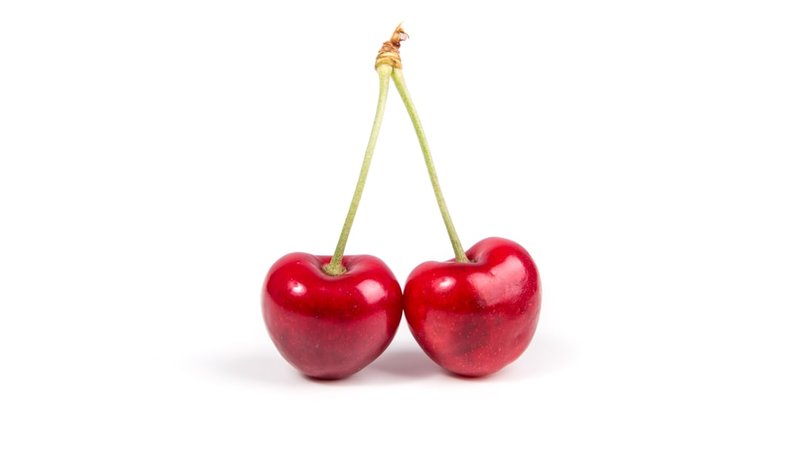
If you choose to offer your dog cherry flesh, strict preparation is non-negotiable. Remove the pit, stem, and any leaves completely before serving. Only offer the bare flesh, and keep portions very small — one or two cherries maximum for a medium-sized dog.
Never offer maraschino cherries or any preserved cherries that contain added sugars, syrups, or artificial ingredients. These additives create an entirely separate set of health concerns beyond the natural toxicity of the fruit.
Even with careful preparation, cherries should remain an occasional treat rather than a dietary staple. Monitor your dog closely after any new food introduction and discontinue immediately if you notice digestive upset.
Healthier Fruit Alternatives for Your Dog
Many fruits deliver comparable or superior nutritional benefits without the toxicity risks that cherries carry. Blueberries, watermelon (seedless, no rind), and sliced apples (no seeds or core) are all dog-safe options that most pets enjoy.
Bananas provide potassium and natural energy, while plain canned pumpkin supports digestive health. These alternatives are widely available, easy to prepare, and carry a much cleaner safety profile than cherries.
Building a varied, safe diet for your dog does not require taking unnecessary risks with borderline foods. When in doubt, choose the option that lets you offer a treat with complete confidence rather than cautious second-guessing.