
Can Dogs Eat Kale? Safety & Health Benefits
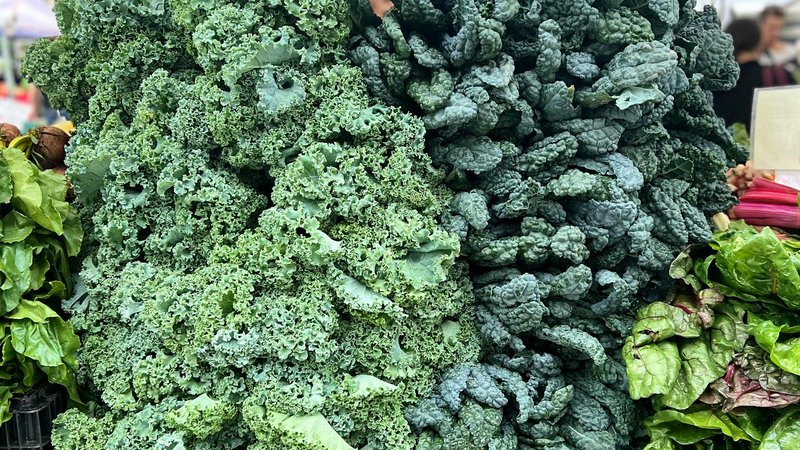
Kale has become a staple in health-conscious households, and many dog owners wonder whether their pets can share in the benefits. The short answer is yes — dogs can eat kale, but with some important caveats worth understanding before you toss a leaf into their bowl.
Like many human superfoods, kale sits in a nutritional gray zone for dogs. It offers genuine health benefits, but it also carries compounds that can cause problems if fed incorrectly or in excess.
Safety Profile: Is Kale Safe for Dogs
Kale is not toxic to dogs in the way that grapes or onions are. However, it does contain naturally occurring compounds that can become problematic in large amounts.
It belongs to the Brassica oleracea family, which also includes cabbage and collards. According to Brassica crop research, this plant family carries a wide range of bioactive compounds that vary significantly across cultivars.
For most healthy adult dogs, an occasional small serving of kale is perfectly safe. The key word here is occasional — this is not a vegetable that should make up a significant portion of your dog’s daily diet.
Nutritional Value and Health Benefits
Kale is genuinely packed with nutrients that can benefit dogs. It contains vitamins A, C, and K, along with antioxidants, fiber, and minerals like calcium and iron.
Vitamin A supports eye health and immune function. Vitamin C acts as an antioxidant, and vitamin K plays a critical role in blood clotting and bone metabolism. These are all nutrients dogs need, though they typically get them through a balanced commercial diet.
The antioxidant content in kale may also help reduce oxidative stress, which is linked to aging and chronic disease in dogs. Think of it as a small nutritional bonus rather than a dietary cornerstone.
Oxalates and Calcium Absorption Concerns
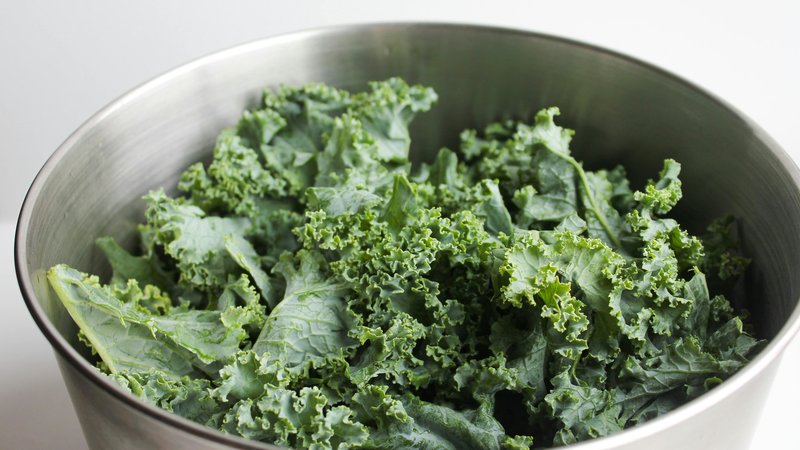
One of the most important concerns with kale is its oxalic acid content. As noted in research on oxalic acid in leafy greens, this compound binds with calcium and reduces its absorption in the intestines.
In dogs that eat large quantities of kale regularly, this could theoretically interfere with calcium metabolism over time. Dogs prone to bladder or kidney stones may be at higher risk, as oxalates can contribute to stone formation.
If your dog has a history of urinary issues or kidney problems, it is best to consult your veterinarian before introducing kale into their diet at all.
Preparation Methods: Raw Versus Cooked Kale
How you prepare kale matters just as much as how much you serve. Raw kale can be harder for dogs to digest, and some dogs may experience gas or stomach upset after eating it in its uncooked form.
Steaming or lightly cooking kale breaks down some of the tougher fibers and makes it gentler on the digestive system. As highlighted by canine kale feeding guidance, steaming before serving is the recommended approach for dogs who struggle with raw greens.
Always serve kale plain — no garlic, onion, salt, butter, or seasoning of any kind. These additions are harmful to dogs even in small amounts.
Appropriate Portion Sizes and Feeding Frequency
Portion size is everything when it comes to kale for dogs. A small dog might do well with just one or two small leaves, while a larger breed could handle a slightly bigger serving.
Kale should be treated as an occasional treat rather than a daily addition. Feeding it once or twice a week at most is a reasonable approach for most dogs. Excessive amounts can lead to digestive upset due to its high fiber content.
Alternative Leafy Greens for Canine Diets
If you are looking to add more variety to your dog’s plant-based nutrition, there are several leafy greens that tend to be gentler and lower in oxalates. Romaine lettuce, arugula, and cooked spinach in small amounts are popular choices among pet owners.
Dogs who enjoy vegetables may also benefit from other nutrient-rich additions. For example, the nutritional profile of chia seeds for dogs shows that small seeds can deliver omega-3 fatty acids and fiber without the oxalate concerns associated with kale.
Always introduce any new food slowly and watch for signs of digestive upset, allergic reaction, or changes in stool. When in doubt, a quick check-in with your vet is always the safest move before experimenting with new foods.
Kale can absolutely have a place in your dog’s diet — just a small, well-prepared, and infrequent one. Treat it as a supplement to a balanced diet, not a replacement for any part of it.