
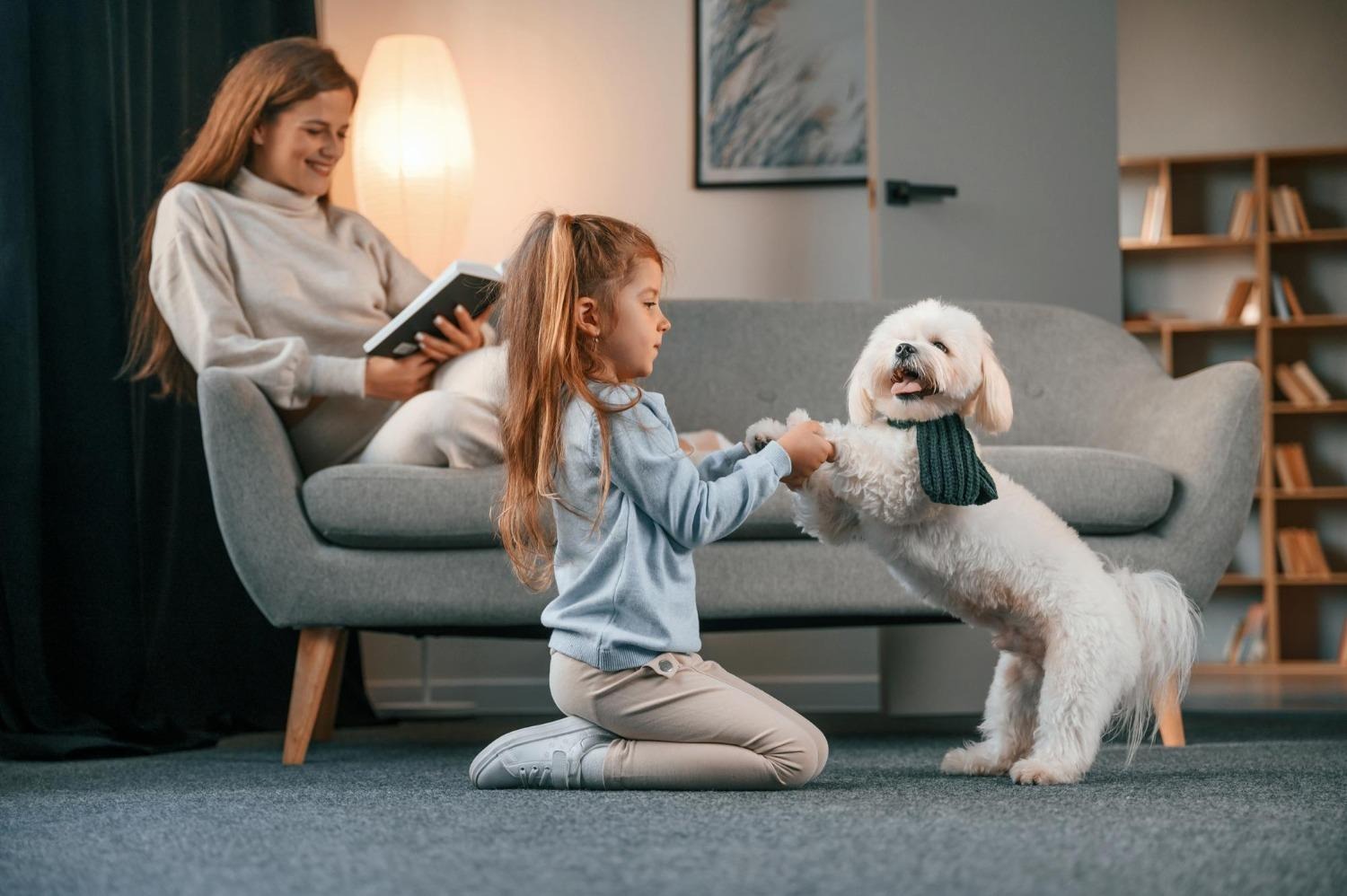
A Guide to Raising a Kid and Dog Together
Introducing a child and a dog into the same household is not only the addition of two family members, but also the start of a unique lifelong relationship. The laughter at playtime, the silent solace on bad days, and the daily shared routines develop an emotional bond that shapes a child in powerful ways.
There are breeds that are family-friendly and, in particular, known to be loving and flexible around children. For instance, many parents exploring Cockapoo Puppies and Kids are attracted to this breed for its docile, smart, and fun nature. Although breed traits can certainly determine your choice, nothing beats purposeful training, care, and respect between your child and your dog.
You can build a secure, happy home where they both will flourish together – and you can establish a lifelong relationship with each other.
Why Growing Up with a Dog Is Beneficial for Kids
The benefits are important before getting down to the how:
Emotional Development
When children grow up with dogs, they tend to show empathy and compassion and understand their emotions. Understanding how dogs influence children’s brain development emphasizes the importance of early bonds. Caring for a pet can build emotional awareness, social skills, and responsibility. When families create a routine your dog can trust, children also learn consistency and responsibility. This enhances the emotional security of both children and pets.
Improved Social Skills
Dogs help children develop confidence and communication skills as they grow. Taking a stroll, training, or discussing their pet helps shy children feel freer to communicate.
Physical Activity
Dogs encourage movement and fun time outdoors. Playing fetch, running around in the yard, or walking together keeps the children active and healthier as a whole.
Stress Relief
Dogs are reassuring in stressful situations. Even patting them or sitting next to them can reduce stress and anxiety among children.
Choosing the Right Dog for Your Family
Dogs are not all the same, and getting a dog of the correct type matters a lot.
Consider Temperament Over Breed
Some breeds are considered family-friendly, though each dog has its own personality. Other families consider smaller companion breeds, such as the Teacup Toy Yorkie Poo, for their loveable temperament and manageability. Nevertheless, size does not make you fit. Seek characteristics such as:
- Patience
- Low aggression
- High tolerance
- Trainability
- Gentle behavior
Age Matters
Puppies need training and monitoring, but learn together with your child. Adult dogs might be trained to rule out.
Rescue dogs can be great companions. However, be certain their history with children is known.
Energy Level
Find the right fit between the dog’s energy and your family’s. An active breed of low-activity household may cause trouble.
Practical Tips for Raising Kids and Dogs Together
These tips will help build a stronger relationship and maintain safety and harmony in your home.
Set Clear Boundaries from Day One
Both children and dogs excel in areas where there are expectations. There should be rules in the house set out early, like with the dog: where he sleeps, eats, and rests without disturbance. This brings order and less confusion to all.
Consistency is key. Children should learn that there are places and moments that are shared with a pup. They are taught to respect limits and avoid any unwarranted stress or aggression on the part of your pet.
Teach Gentle and Respectful Interaction
Early childhood children might not instinctively know how to meet animals safely. Teach them to use gentle hands, a calm voice, and slow movements when interacting with the dog.
Immediately exhibit appropriate petting behavior and proper techniques as soon as they show fur pulling and intrusion. Respectful behavior through repetition and modeling will create healthy habits in the long run.
Prioritize Obedience Training Early
An obedient dog is a great way to make life in the family easier. Simple instructions like sit, stay, leave it, and come allow restraint in unforeseen circumstances with children.
Good behavior strengthens with positive reinforcement, and trust develops. Your dog can also be socialized in distracting environments, such as those with children, with the aid of professional training classes.
Maintain Supervised Playtime
Even the gentlest of dogs will need some supervision regardless of how kind he/she appears, and toddlers are the worst. There must always be oversight during play sessions to ensure they remain calm and appropriate.
Be aware of your dog’s mild signs of stress and stop it before it gets too excited. Active monitoring will prevent accidents and build trust between the two parties.
Create Safe Spaces for Everyone
Your child and your dog also require space of their own where they can rest. Your dog can have a stress-free area in a crate, on a bed, or in a quiet corner.
Equally, children learn the importance of knowing that they cannot always play. Emotional security and mutual comfort are created by respecting each other.
Common Challenges and How to Handle Them
There are also challenges that arise when you raise a child and a dog together, but managing them before they arise ensures they are handled.
Jealousy
When a new infant is in the family, dogs may feel threatened. Stick with the usual patterns and give individual focus to avoid insecurity and the development of behaviors.
Rough Play
Encourage children to interact properly since childhood to prevent overstimulation. Clarity can help prevent accidental injury, overexcitement, and stress-related behavioral issues.
Resource Guarding
Do not keep children anywhere near the food bowl or the dog. Boundary-keeping helps reduce feelings of possessiveness and is also useful in preventing defensive or aggressive responses.
Conclusion
It is possible to transform the friendship between a dog and a child into a lifetime loyalty and warmth, which can be cultivated by patience and deliberation. There are many lessons you can learn through companionship, responsibility, and mutual respect. This not only influences your child’s development but also shapes the tone of your home.
A well-rounded family does not occur overnight. It is constructed by uniformity, insight, and affection. Investing time today with proper training and guidance gives you a platform where you will be able to grow with your child as well as your dog confidently.