Everything You Need to Know About Feeding Raw Eggs to Dogs
Raw eggs have become a popular topic among pet owners who are exploring natural, whole-food approaches to canine nutrition. The idea of cracking an egg into your dog’s bowl might feel intuitive, but there is genuine debate among veterinarians and animal nutrition experts about whether this practice is beneficial, safe, or something to approach with caution.
Understanding the full picture before making any dietary changes for your pet is essential. Feeding raw eggs to dogs comes with real advantages and real risks, and knowing both sides gives you the power to make an informed decision for your specific animal.
The Nutritional Benefits of Raw Eggs for Dogs
Eggs are widely considered one of the most nutritionally complete foods available in nature. They contain high-quality protein, healthy fats, and a broad spectrum of vitamins and minerals that can support a dog’s overall wellbeing.
The protein found in raw eggs is highly bioavailable, meaning a dog’s body can absorb and use it efficiently. This makes eggs an attractive supplement for active dogs, dogs recovering from illness, or breeds with higher protein demands.
Raw eggs also deliver valuable nutrients including vitamin A, vitamin D, riboflavin, folate, iron, and selenium. These micronutrients play important roles in immune function, coat health, bone strength, and cellular repair throughout a dog’s body.
The yolk in particular is rich in essential fatty acids and fat-soluble vitamins. Many pet owners who feed raw diets report improvements in coat shine and skin condition after introducing eggs as a regular part of their dog’s meals.
Raw Egg Safety Concerns Every Dog Owner Should Understand
The most frequently cited risk associated with giving raw eggs to dogs is bacterial contamination. Salmonella is a bacterium that can live on the shell or inside the egg itself, and while dogs have more acidic digestive systems than humans, they are not entirely immune to infection.
A dog that contracts Salmonella may experience vomiting, diarrhea, lethargy, and a loss of appetite. In puppies, senior dogs, or animals with compromised immune systems, the infection can become significantly more serious and may require veterinary intervention.
Purchasing high-quality eggs from reputable sources reduces but does not eliminate this risk. Pasteurized eggs are an alternative that some owners choose, as the pasteurization process kills harmful bacteria while leaving much of the nutritional content intact.
It is also worth noting that the risk of bacterial illness from eggs is relatively low in healthy adult dogs with strong immune function. However, being aware of the possibility means you can act quickly if your dog shows any unusual symptoms after eating raw eggs.
Biotin Deficiency and the Raw Egg White Problem
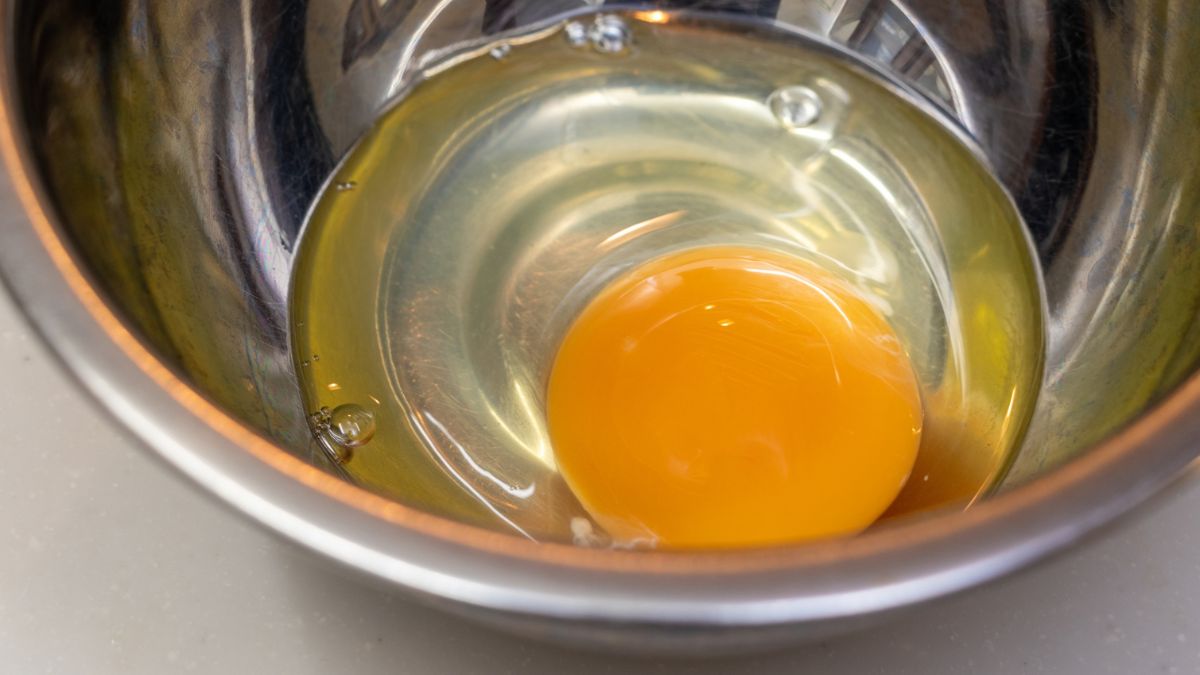
One of the most important facts that often gets overlooked in conversations about raw eggs is the role of avidin, a protein found specifically in raw egg whites. Avidin binds to biotin, also known as vitamin B7, and prevents the body from absorbing it properly.
Biotin is essential for healthy skin, coat, metabolism, and cellular growth in dogs. A deficiency in this nutrient can lead to hair loss, skin irritation, poor coat quality, and disrupted digestion over time.
The critical point here is that cooking an egg completely deactivates avidin, making the egg white safe and nutritious. Feeding only the yolk raw avoids this issue entirely, as avidin is exclusive to the white portion of the egg.
If you choose to feed whole raw eggs regularly, including the whites, it is important to monitor your dog for any signs of biotin deficiency. Rotating raw eggs with cooked eggs, or simply cooking the whites while leaving the yolk raw, is a practical middle-ground that many dog owners adopt.
How to Introduce Raw Eggs Into Your Dog’s Diet
Starting slow is always the best strategy when adding any new food to your dog’s routine. Introducing a small amount of raw egg once or twice a week allows your dog’s digestive system to adjust and gives you the opportunity to observe any adverse reactions before committing to a regular schedule.
The egg shell itself can also be a valuable source of calcium and minerals. Many raw feeders grind dried egg shells into a fine powder and sprinkle it over meals as a calcium supplement, particularly for dogs not consuming whole raw bones.
Portion size matters as well. A large breed dog may handle a full egg without issue, while a small breed dog should receive considerably less. Using eggs as a treat or supplement rather than a meal replacement helps maintain a balanced nutritional profile overall.
Consulting a veterinarian or a certified canine nutritionist before making significant changes to your dog’s diet is always a wise step. Every dog is an individual, and factors like age, breed, weight, existing health conditions, and current diet all influence how well raw eggs will work as a dietary addition.
What Veterinarians and Nutrition Experts Generally Recommend
The general consensus among veterinary professionals is that raw eggs can be an acceptable and beneficial supplement for most healthy adult dogs when fed in moderation. They are not considered a necessary part of a balanced diet, but they are also not inherently dangerous when sourced carefully and fed responsibly.
Many vets lean toward recommending lightly cooked eggs as the safer option, as cooking eliminates the bacterial and avidin-related risks while preserving the majority of the nutritional value. Scrambled eggs with no added salt, butter, or seasonings are frequently cited as an easy and safe preparation.
The raw feeding community, on the other hand, often argues that the natural enzymes present in raw eggs provide additional digestive support that cooking destroys. This perspective is not universally supported by clinical research, but many owners report positive anecdotal outcomes with their animals.
Ultimately, the decision to feed raw eggs to your dog should be grounded in your dog’s individual health profile and your confidence in your egg source. Staying informed, staying observant, and maintaining open communication with your vet will always lead you toward the best choice for your companion.