Can Dogs Eat Maple Syrup? Safety Guide
That golden drizzle on your morning pancakes smells irresistible — and your dog thinks so too. But before you let them lick the spoon, it’s worth understanding exactly what maple syrup does inside a dog’s body.
The short answer is that pure maple syrup is not acutely toxic to dogs. However, “not toxic” does not mean “safe,” and there are several important nuances every dog owner needs to know.
Understanding Maple Syrup Composition and Dog Nutrition
Pure maple syrup is made from boiled tree sap. It contains primarily sucrose, along with trace amounts of minerals like manganese, zinc, and calcium.
While those minerals sound appealing, the quantities are far too small to offer any meaningful nutritional benefit to a dog. Dogs have no dietary requirement for added sugars whatsoever.
A dog’s digestive system is not designed to process concentrated sweeteners regularly. Even natural sweeteners like agave and honey carry similar concerns around sugar load when given to pets.
The Xylitol Risk: Identifying Dangerous Imitation Syrups
Here is where things get genuinely dangerous. Many pancake syrups and “maple-flavored” products sold in grocery stores are not real maple syrup at all.
These imitation syrups often contain xylitol, an artificial sweetener that is extremely toxic to dogs. Even a small amount can trigger a life-threatening drop in blood sugar and cause acute liver failure.
Veterinary protocols for managing xylitol poisoning are complex and time-sensitive, as outlined in clinical dose reference charts used by veterinary spay-neuter and emergency teams. This underscores just how seriously the veterinary community treats xylitol exposure.
Always read ingredient labels thoroughly before allowing your dog near any syrup product. If you see xylitol listed, keep that product completely out of reach.
Sugar Content and Metabolic Health Concerns
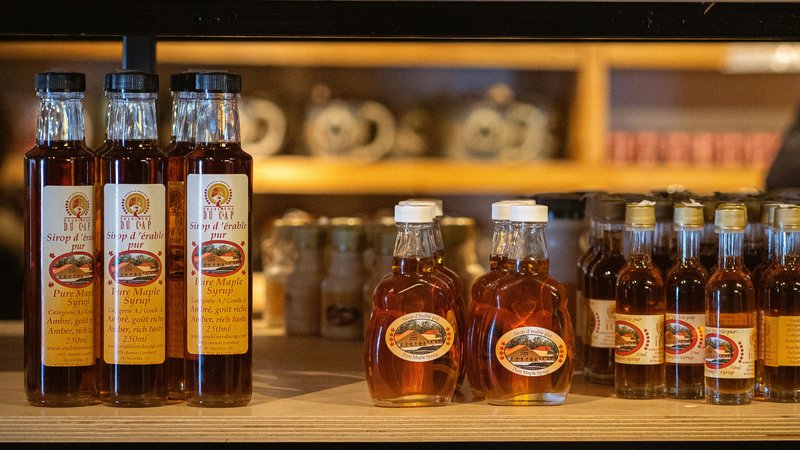
Even 100% pure maple syrup carries a heavy sugar load. One tablespoon contains roughly 12 grams of sugar, which is a significant amount for a small or medium-sized dog.
Repeated sugar intake can contribute to obesity, dental decay, and insulin resistance in dogs. Dogs with diabetes or pancreatitis face especially serious risks from any sugary treat.
If you’re exploring how different foods affect your dog’s diet, it’s helpful to compare notes on other human foods too — like understanding the nutritional benefits of chia seeds for dogs, which offer fiber and omega-3s without a sugar spike.
Recognizing Symptoms of Maple Syrup Toxicity
If your dog consumed a product containing xylitol, symptoms can appear within 15 to 30 minutes. These include vomiting, loss of coordination, lethargy, tremors, and seizures.
Even if the syrup was pure maple syrup, watch for signs of gastrointestinal upset such as diarrhea, bloating, or excessive gas after ingestion.
Any suspected xylitol ingestion is a veterinary emergency. Do not wait for symptoms to worsen — contact your vet or an emergency animal poison hotline immediately.
Safe Serving Guidelines and Healthier Alternatives
If you want to give your dog a rare sweet treat, a tiny lick of pure, verified maple syrup is unlikely to cause immediate harm in a healthy adult dog. The key word is tiny — we’re talking about less than half a teaspoon.
Frequency matters enormously. This should never become a regular habit, and it should never be offered to dogs with diabetes, pancreatitis, obesity, or known metabolic conditions.
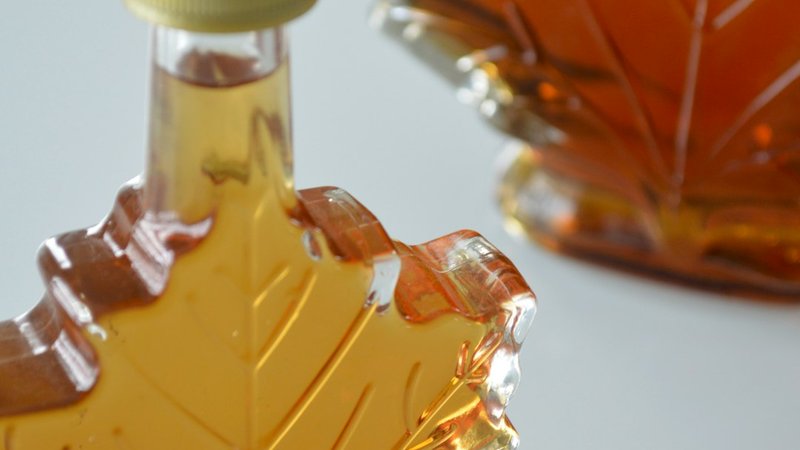
Canada is one of the world’s leading maple syrup producers, and Agriculture Canada grading standards help consumers identify pure versus processed products — a useful distinction when you’re checking whether a syrup is truly free of additives.
Better alternatives for dogs who love a sweet reward include small pieces of fresh fruit like blueberries or watermelon. These provide natural sugars alongside fiber, vitamins, and hydration.
Dogs curious about human foods deserve owners who do their research. Much like learning about whether sesame seeds are safe for dogs, understanding the details behind each ingredient protects your pet far better than guesswork ever could.
When in doubt, skip the syrup entirely. There are plenty of dog-safe treats that deliver joy without any of the risks that come with sweeteners designed for human palates.