Can Dogs Eat Coconut? Safety Guide for Pet Owners
Coconut has become a popular ingredient in everything from dog treats to grooming products. But before you share a piece with your pup, it helps to know exactly what you’re dealing with.
The short answer is yes — dogs can eat coconut in moderation. However, there are important nuances around portion size, form, and your individual dog’s health that every owner should understand.
Coconut Safety and Nutritional Profile for Dogs
Coconut is not toxic to dogs. It contains beneficial compounds including lauric acid, fiber, and trace minerals that can support overall health when offered responsibly.
According to USDA nutritional data, raw coconut meat is relatively high in saturated fat and calories, which means portion control is essential. Too much fat in a dog’s diet can lead to digestive upset or even pancreatitis over time.
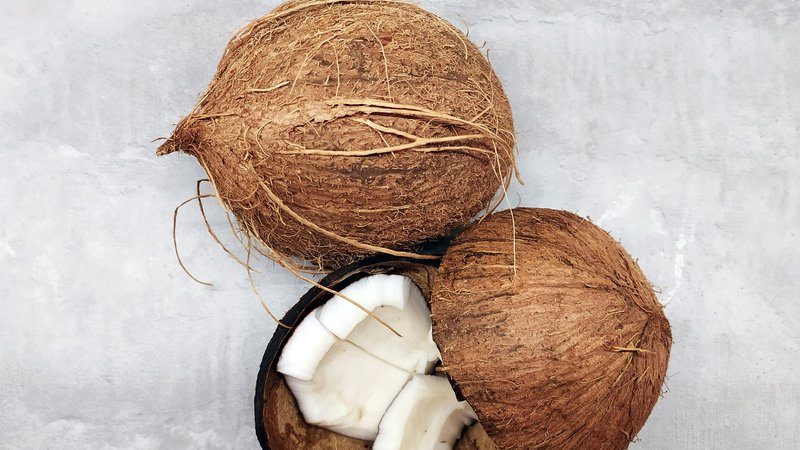
The flesh itself is the safest part to offer. Coconut shell fragments, on the other hand, pose a serious choking hazard and should always be kept away from dogs.
Portion Control and the 10% Treat Rule
Veterinarians consistently recommend following the 10% treat rule. This means treats — including coconut — should make up no more than 10% of your dog’s total daily caloric intake.
For most small dogs, that translates to just a small cube or two of fresh coconut meat. Larger breeds can tolerate slightly more, but restraint is still key.
Overfeeding coconut can cause loose stools, bloating, or stomach discomfort. Start with a tiny amount and monitor your dog closely for any signs of intolerance before making it a regular treat.
Age and Breed-Specific Considerations
Not every dog processes coconut the same way. Age, breed, and individual sensitivity all play a role in how well a dog tolerates this tropical fruit.
Puppies, for example, have more sensitive digestive systems than adult dogs. As noted by FitPetGo’s coconut research, individual factors like age and genetic predisposition significantly affect how a dog tolerates coconut and may influence the likelihood of gastrointestinal reactions.
Senior dogs with pre-existing conditions like pancreatitis or obesity should have coconut limited or avoided entirely. Always factor in your dog’s full health picture before introducing new foods. If you’re thinking about adopting and want to understand how life stage affects dietary needs, the differences between puppies vs. senior dogs are worth exploring before bringing a new pet home.
Coconut Oil, Milk, and Meat: Comparing Different Forms
Coconut comes in many forms, and they are not all equal when it comes to canine safety. Fresh coconut meat is generally the safest option for most healthy adult dogs.
Coconut oil has gained popularity as a supplement for dogs. Research highlighted by WagWalking’s allergy guide suggests coconut oil is rapidly absorbed and may help dogs manage seasonal, inhalant, and food allergies while also supporting digestive health and nutrient absorption.
Coconut milk and coconut water are higher in sugars and should only be given sparingly, if at all. Sweetened or flavored coconut products marketed for humans should always be avoided, as they may contain xylitol toxicity risks or other harmful additives.
Health Benefits and Potential Risks
When given in appropriate amounts, coconut can offer real benefits. Lauric acid, a medium-chain fatty acid found in coconut, has antimicrobial and anti-inflammatory properties that may support immune function.
Coconut may also contribute to a shinier coat and healthier skin. Some owners who already incorporate nutrient-dense foods like chia seeds for dogs find coconut to be a complementary addition to a balanced diet.
The primary risks are linked to overconsumption. High fat content can trigger pancreatitis in susceptible dogs, and the natural oils can cause loose stools even in otherwise healthy animals. Always introduce any new food gradually.
When to Consult Your Veterinarian
If your dog has a history of pancreatitis, obesity, or food sensitivities, speak with your veterinarian before offering coconut in any form. What works well for one dog may not suit another.
Watch for warning signs after your dog eats coconut for the first time. Vomiting, diarrhea, lethargy, or signs of abdominal discomfort all warrant a call to your vet.
Used thoughtfully and in small amounts, coconut can be a safe and enjoyable treat for most healthy dogs. The key is always moderation, awareness of your dog’s unique needs, and an open line of communication with your veterinary team.