
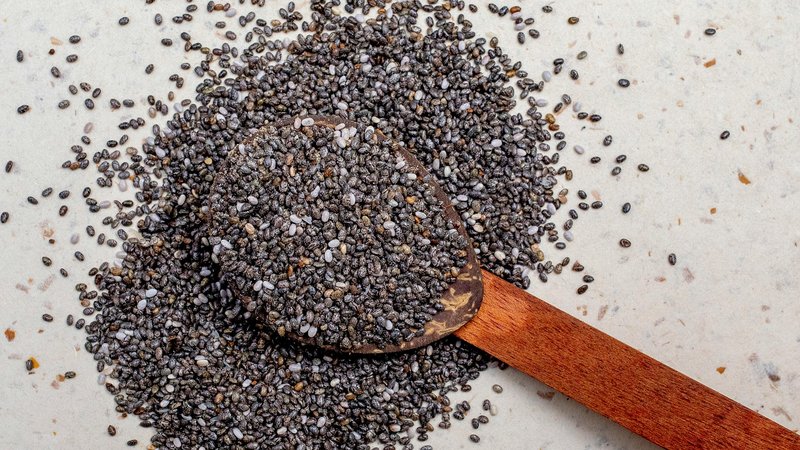
Can Dogs Eat Chia Seeds? Safety & Benefits
Chia seeds have earned a strong reputation as a nutritional powerhouse in human diets, but many pet owners wonder whether they are equally beneficial for their dogs. The good news is that yes, dogs can eat chia seeds — and in the right amounts, they offer some genuinely impressive health benefits.
That said, not every superfood translates perfectly from a human plate to a dog bowl. Understanding how to serve chia seeds safely, how much to give, and which dogs may need extra caution is essential before you start sprinkling them into your dog’s meals.
Nutritional Profile and Health Benefits for Dogs
Chia seeds are remarkably dense with nutrients relative to their tiny size. Rich in fiber, protein, and omega-3 fatty acids, they deliver a wide range of compounds that support canine health across multiple body systems.
The omega-3 fatty acids in chia seeds, primarily in the form of alpha-linolenic acid (ALA), can contribute to a shinier coat, reduced inflammation, and improved joint health. Chia seeds also provide calcium, phosphorus, magnesium, and antioxidants — all nutrients that support bone density, energy metabolism, and cellular protection.
For dog owners exploring the full scope of what these seeds can do, a deeper look at the benefits of chia seeds for dogs reveals how consistently they support skin, digestion, and overall vitality.
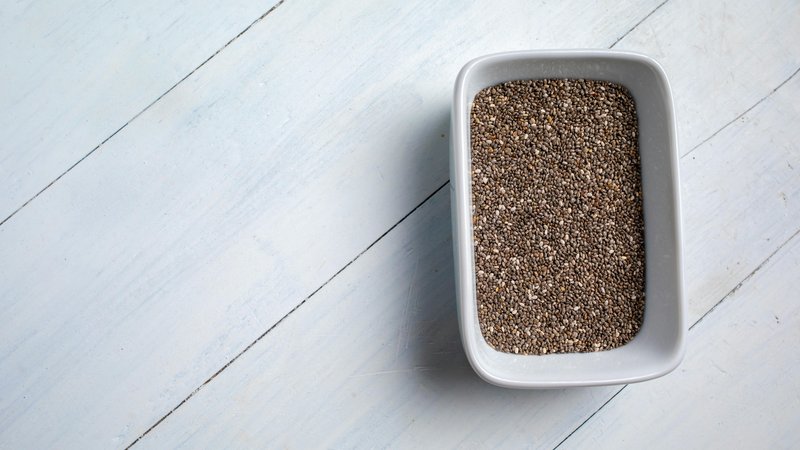
Safe Serving Guidelines and Preparation Methods
Portion control is the most important factor when introducing chia seeds to your dog’s diet. For small dogs, a starting dose of about ¼ teaspoon per day is appropriate, while larger breeds can tolerate up to 1 full teaspoon daily.
Chia seeds can be served either dry or soaked in water. Soaking them for 15 to 30 minutes causes them to expand into a gel-like consistency, which can actually aid digestion and help dogs who are prone to gulping their food. Dry seeds are also safe but should always be accompanied by plenty of fresh water.
You can stir chia seeds directly into wet food, mix them with kibble, or blend them into homemade dog treats. Always introduce them gradually over several days to allow your dog’s digestive system time to adjust.
Potential Risks and Side Effects to Monitor
Despite their benefits, chia seeds do carry some risks when given in excess. Their high fiber content can cause digestive upset, including loose stools, bloating, or gas, particularly in dogs with sensitive stomachs.
Because chia seeds absorb a significant amount of water and expand in the digestive tract, overfeeding without adequate hydration can lead to constipation or even intestinal blockages in rare cases. Always ensure your dog has access to fresh water throughout the day.
Dogs with existing gastrointestinal conditions, blood clotting disorders, or those on certain medications should be evaluated by a veterinarian before chia seeds are added to their diet. When in doubt, a quick check-in with your vet is always the safest move.
Chia Seeds vs. Alternative Supplements for Canine Health
Chia seeds are a solid plant-based addition to a dog’s diet, but they do have one notable limitation when it comes to omega-3 fatty acids. As noted by veterinary nutrition researchers, sources of ALA may not provide significant EPA and DHA compared to direct marine-based food sources or fish oil supplements.
EPA and DHA are the omega-3 forms most directly usable by a dog’s body for reducing inflammation and supporting brain and heart health. If your primary goal is omega-3 supplementation, fish oil or sardines may be more effective alongside chia seeds rather than as a replacement for them.
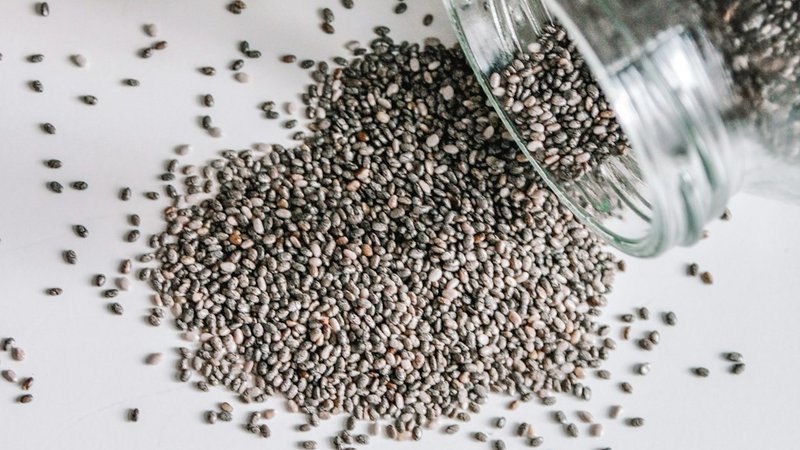
If you are also considering other seeds for your dog’s diet, options like sesame seeds for dogs have their own distinct nutritional profile and safety considerations worth reviewing.
Age and Breed-Specific Considerations
A dog’s age and breed can meaningfully influence how well they tolerate and benefit from chia seeds. Puppies, for example, have highly specific nutritional requirements during their rapid growth phase, and adding supplements without veterinary guidance is generally not recommended.
Senior dogs may benefit more noticeably from chia seeds due to their anti-inflammatory properties and fiber content, which can support digestive regularity in older animals. However, breed-specific health concerns matter here too — breed-related gastrointestinal or cardiac sensitivities should always be factored into any dietary change.
Adult dogs in good general health are typically the easiest candidates for chia seed supplementation, tolerating moderate amounts well when introduced slowly. No matter the life stage, starting small and monitoring your dog’s response over the first week remains the smartest approach.